




Neem Leaves' Power
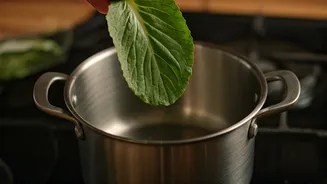
Harnessing the natural pest-repelling capabilities of dried neem leaves offers a traditional and effective method to protect your flour. By enclosing a few
dried neem leaves within a small cotton pouch and placing this inside your flour container, you create a subtle yet potent barrier against insects and harmful bacteria. The inherent properties of neem act as a natural deterrent, ensuring your flour remains unspoiled and safe for consumption. This ancient practice is a testament to nature's solutions for common household challenges, providing a chemical-free way to preserve your ingredients and maintain a healthy kitchen environment. It's a simple step that can make a significant difference in prolonging the shelf life of your flour.
Chilies & Cloves Defense
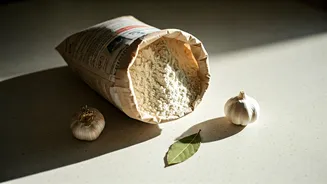
For a potent, aromatic defense against pantry pests, consider incorporating dried red chilies and cloves into your flour storage. The sharp, pungent scents emanating from just two or three dried chilies or a small handful of cloves can effectively confuse and repel insects. These common kitchen spices act as a natural alarm system, making your flour an unattractive destination for infestations. By strategically placing these items within the flour container, you leverage their strong fragrances to create an inhospitable environment for pests, thereby preserving the quality and integrity of your flour. This method is straightforward and utilizes readily available ingredients to keep your stored flour safe and fresh.
Bay Leaves' Aroma
The distinct, strong fragrance of bay leaves serves as another excellent natural repellent for keeping stored flour free from insects. Similar to chilies and cloves, the potent aroma of bay leaves can create an uninviting atmosphere for pests, deterring them from exploring your flour supply. Simply adding two or three dried bay leaves to your flour container can be remarkably effective. This simple addition acts as a passive guardian, working continuously to keep your flour safe and fresh. It’s a classic kitchen hack that leverages the power of scent to maintain the quality of your stored ingredients without resorting to artificial methods, ensuring a naturally protected pantry.
Refrigerator Storage
One of the most foolproof methods to prevent insect proliferation in flour is to embrace the cold. Storing your flour in the refrigerator, particularly within a sealed zip-lock bag, effectively halts pest development. Insects simply cannot survive or reproduce in the low temperatures characteristic of a fridge. This drastically reduces the risk of infestation. Beyond the cold, remember to always store flour in a dry container and avoid introducing moisture by handling it with wet hands. Maintaining these dry conditions further supports its longevity and prevents unwanted microbial growth, ensuring your flour stays fresh and usable for extended periods.
Dryness is Key
Maintaining dryness is paramount when storing flour, especially in humid climates or kitchens where moisture can be a persistent issue. Even when flour is kept in a generally cool location, prolonged storage can unfortunately invite pests if conditions aren't optimal. A fundamental principle to prevent insects from taking up residence is to ensure the flour itself and its container remain completely dry. This includes being meticulous about not touching the flour with wet hands when scooping or transferring it. Moisture can not only encourage insect activity but also lead to spoilage and the formation of clumps, compromising the flour's texture and usability. Prioritizing dryness is a foundational step in effective flour preservation.
Preventing Infestations
The challenge of storing flour long-term in a kitchen environment is often battling the potential for insect infestations. Once pests make their unwelcome appearance, the usual outcome is that the entire batch of flour must be discarded, leading to waste. However, adopting a proactive approach with a few straightforward preventive measures can significantly thwart these efforts. By consistently applying these simple kitchen hacks, you create a robust defense system for your stored flour. These methods are designed not just to react to problems but to preemptively secure your flour, ensuring it remains in pristine condition and ready for your culinary creations without the worry of pest-related spoilage.