



A Love for History
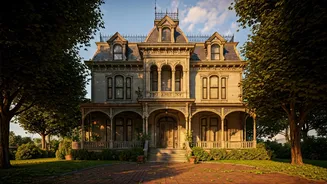
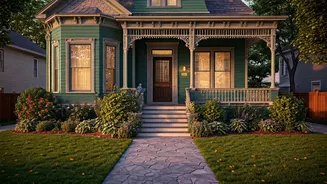
The decision to purchase a Victorian-era home, built in 1886, was deeply rooted in the couple's lifelong appreciation for the past. Growing up surrounded
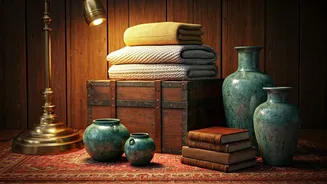
by older structures and enjoying antique hunting instilled a romantic inclination towards historic aesthetics. This personal preference naturally guided their house search towards neighborhoods rich with architectural heritage, specifically seeking a home whose external style would complement their interior design leanings. Their previous apartment, dating back to the late 1900s, had already familiarized them with the cozy, character-filled ambiance of older residences, complete with the satisfying creaks of aged floorboards and the rich patina of layered paint on doors and trim. This established fondness for vintage charm made them eager to find a property that echoed these qualities, leading them to an older section of town known for its Victorian homes, where they ultimately discovered their dream project.
Architectural Treasures
Even in its dilapidated state, the Victorian home possessed an undeniable magnetism, primarily due to its exquisite architectural details. While missing windows and peeling paint were evident, the couple's focus was drawn to the more enduring elements. The Eastlake front door, though weathered, spoke of craftsmanship, and the expansive windows hinted at the potential of stained glass. Intricate, hand-carved floral motifs adorning the corbels further showcased the artistry of a bygone era. These features, often overlooked in modern construction, were precisely what captured their imagination and solidified their desire to preserve and restore the home, seeing beyond the immediate disrepair to the inherent beauty and historical significance embedded in its design.
A Blank Canvas Awaits
Through their extensive house-hunting experiences, the couple realized they strongly disliked the aesthetic choices of most local home flippers, which often felt generic and uninspired. This realization fostered a growing comfort with the idea of a fixer-upper, especially when they encountered a property that presented a true opportunity for personalization. Their chosen Victorian had suffered significant water damage, necessitating a complete gutting down to the studs for essential mold remediation and structural repairs. While this was a daunting task, it transformed the house into an ideal 'blank canvas.' This extensive renovation process provided them the freedom to meticulously plan and execute their own vision for the home's layout and finishes, ensuring that the final result would be a perfect reflection of their tastes and needs, uncompromised by previous owners' decisions.
The Value of Authenticity
During the renovation, one contractor suggested that constructing a new home might have been financially comparable to restoring the old one. However, the couple found the prospect of a new build entirely unappealing. They felt that attempts to replicate historic styles in modern constructions often resulted in an artificial, overly polished appearance, akin to an amusement park facade. True historic character, they believed, comes from embracing imperfections – the slight slant of a wall, the wear on stair treads from decades of foot traffic, the unique quirks that tell a story. These elements contribute to an authenticity that cannot be manufactured. Choosing to restore their Victorian was not just about saving money; it was a conscious decision to honor the genuine character and history embedded in the original structure, something a new build could never replicate.
Modernizing the Past
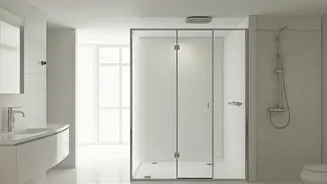
The restored Victorian now feels like a contemporary home within a historic shell, a testament to successful modernization. They find peace of mind knowing that all electrical systems are new and up to code, and plumbing issues are non-existent. The kitchen's layout has been significantly improved from its original galley design, and dedicating space to create a larger primary bathroom has proven to be a wise decision. While some might cringe at the thought of a historic home being taken down to the studs, the couple managed to preserve its charm by retaining original details wherever possible and utilizing architectural salvage and convincing reproductions. They sourced antique doors, installed a fireplace mantel from a demolished home of similar age, had original hardwood floors refinished, and meticulously reinstalled all removed original trim, ensuring the stained glass remained untouched. Even with a young daughter exploring the home, major changes have been minimal, focusing on baby-proofing. As their family evolves, they anticipate further adaptations, like converting the family room or potentially adding a small extension, confident that the house, like it has for 140 years, will continue to evolve to meet their needs.