



Fire's Ancient Embrace
For eons, humans have shared a unique and intimate relationship with fire, a bond that extends far beyond mere cultural development. While most animals
steer clear of flames, our ancestors learned to harness its power for warmth, cooking, tool-making, and eventually, as a cornerstone of daily life. This mastery, however, came with a constant companion: the risk of burns. Unlike any other species, humans routinely faced minor burn injuries, an experience repeated across generations. Scientists propose that this persistent exposure to heat, even in small doses, acted as a powerful evolutionary force, subtly influencing the genetic traits that were passed down and ultimately shaping our biological makeup over vast stretches of time. This ongoing interaction with fire, therefore, likely played a significant role in our evolutionary journey, altering fundamental aspects of our physiology.
Evolutionary Burn Pressure
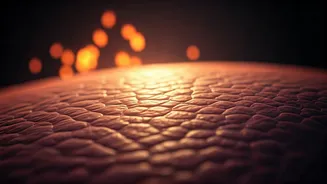
A significant study, published in BioEssays and spearheaded by researchers from Imperial College London, posits that natural selection likely favoured individuals possessing superior healing capabilities from burns. The skin, our primary defense against pathogens, is critically compromised by burns, leading to an elevated risk of infection when its protective barrier is breached. The study suggests that the evolutionary pressure exerted by frequent burn injuries may have promoted faster inflammatory responses, accelerated wound closure mechanisms, and heightened pain sensitivity in humans. These adaptations would have been crucial for minimizing further damage and preventing potentially life-threatening infections. However, this evolutionary advantage has a double-edged sword: while beneficial for minor wounds, these amplified responses can be detrimental in cases of severe burns, potentially leading to extreme inflammation, significant scarring, and organ failure, reactions that might be ancient adaptations ill-equipped for massive trauma.
Genetic Echoes of Fire
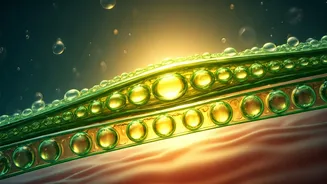
To substantiate their hypothesis, the researchers conducted a comparative genetic analysis, examining human DNA alongside that of other primates. Their findings revealed that several genes associated with wound healing, immune system function, and inflammation have evolved at a notably faster pace in the human lineage. These genetic distinctions are believed to account for distinct characteristics of human skin, such as its greater thickness in the inner layer and the deeper placement of sweat glands. This evolutionary perspective is thought to offer crucial insights into the complexities of burn treatment. The distinct ways in which the human body responds to burns, shaped by this evolutionary history, might explain why treatments derived from animal models have not always proven as effective in humans. The collaborative effort, involving evolutionary biologists, geneticists, and clinical specialists, aims to unravel these intricate biological responses.
Future of Burn Care
The insights gleaned from this research have the potential to revolutionize our understanding and treatment of burns. The study suggests that the significant variation in burn recovery outcomes observed among individuals may be rooted in these underlying genetic differences. Future research focusing on these genetic disparities could illuminate why some individuals recover quickly from burn injuries, while others are more prone to developing complications. This groundbreaking study redefines our historical narrative, viewing burns not as isolated incidents but as a pervasive influence throughout human history. It underscores the profound impact of fire, demonstrating that beyond enabling survival in the ancient world, it actively contributed to the physical transformation of humanity itself, reshaping our bodies in response to persistent environmental pressures.