
Salad Deception Unveiled
The common perception is that salads are inherently healthy. But, salads can sometimes be loaded with hidden calories. The issue arises not from the base
ingredients like lettuce or spinach, but from the additions. Dressings, often creamy and high in fat, contribute significant calories. Toppings such as croutons, cheese, and certain proteins can also add to the calorie count. For those focused on weight management or overall health, it's crucial to be mindful of these additions. A salad can quickly transform from a light meal into a calorie-dense one. Understanding the nutritional composition of each ingredient is the first step toward creating a truly healthy salad. This awareness allows you to make informed decisions and build a salad that aligns with your health goals. This will help you manage your calorie intake and promote a balanced diet.
Dressing Dilemmas
Dressings are major culprits when it comes to the calorie content of salads. Creamy dressings, such as ranch or Caesar, are often high in fats and calories. Even seemingly lighter options like vinaigrettes can have significant calorie counts if they contain a lot of oil. The serving size of the dressing also plays a crucial role; drizzling too much can drastically increase the total calories. The ingredients within the dressings are the issue. Some dressings may include sugar, salt, and preservatives, which can undermine the nutritional value of the salad. For those aiming to create a healthier salad, being mindful of the dressing is crucial. Consider using dressings in moderation or opting for low-calorie alternatives like lemon juice or vinegar with a touch of olive oil. Making homemade dressings allows greater control over ingredients and portion sizes, facilitating a more health-conscious approach.
Topping Truths
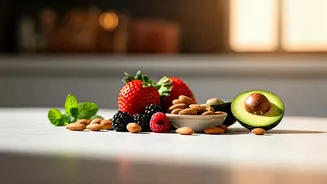
Beyond dressings, the toppings chosen for salads can significantly impact their nutritional profile. Croutons, often made from refined grains and fried, add unnecessary calories and limited nutritional value. Cheese, while providing some protein and calcium, can be high in saturated fats and calories. Adding large amounts of cheese can quickly increase the overall calorie intake. Proteins such as bacon or fried chicken can be high in fat and sodium. Portion control is essential when adding toppings. Choosing healthier alternatives can improve the nutritional value of a salad. Opt for lean proteins like grilled chicken or fish, add nuts or seeds in moderation for healthy fats and fiber, and use fresh, colorful vegetables to increase vitamins and minerals. Being mindful of these choices will help you create a salad that is both delicious and genuinely healthy, supporting your health goals effectively.
Building a Better Salad
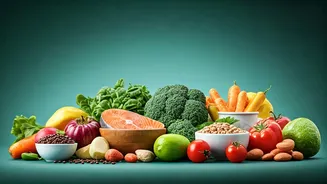
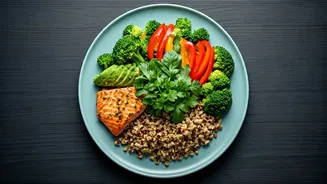
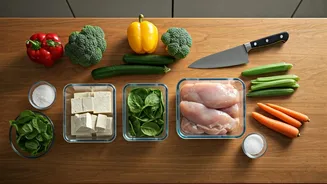
Creating a genuinely healthy salad involves conscious choices regarding the ingredients and preparation methods. Start with a base of leafy greens. These greens provide essential vitamins, minerals, and fiber. Then, include a variety of colorful vegetables. These add not only flavor and texture but also vital nutrients. Choose lean proteins like grilled chicken, fish, or beans. This will add satiety. If using cheese, opt for smaller portions of low-fat varieties like feta or goat cheese. Be strategic with the toppings. Limit croutons and choose nuts or seeds in moderation. The choice of dressing is crucial. Opt for light vinaigrettes or make your own with olive oil and vinegar. This will allow you to control the ingredients and serving size. A well-constructed salad can provide a balanced mix of nutrients. It is a satisfying meal, and it supports overall health goals. A mindful approach to salad creation allows you to enjoy a delicious meal without compromising your health.