




Enchanting Patio Gardens
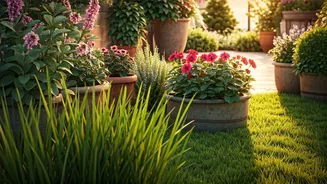
Crafting a captivating patio garden involves more than just placing a few pots; it's about creating a harmonious extension of your living space. Consider
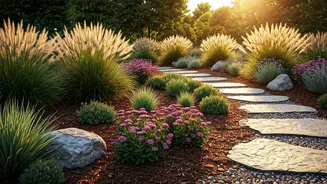
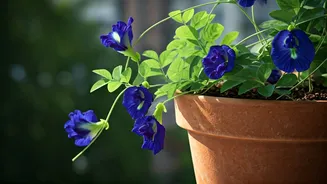
vertical gardening solutions, such as wall-mounted planters or tiered shelving, to maximize your area and introduce lush greenery at different heights. Hanging baskets overflowing with vibrant flowers or trailing plants can add a touch of whimsical charm and soften hard edges. For a more structured look, define pathways with low-lying shrubs or ornamental grasses, guiding the eye and creating distinct zones. Incorporate seating areas that are integrated with the planting, perhaps a bench nestled amongst fragrant herbs or a small table surrounded by colourful blooms. Don't forget the importance of lighting; solar-powered fairy lights or strategically placed lanterns can transform your patio into a magical retreat after dusk, extending its usability and appeal into the evening hours.
Accelerate Grass Growth
To achieve a lush, verdant lawn more quickly, several practices can be employed. The first step is proper soil preparation: loosen compacted soil and amend it with compost or other organic matter to improve drainage and nutrient content. When seeding, ensure you select a high-quality seed mix suited to your climate and soil type. Lightly rake the seeds into the soil to ensure good seed-to-soil contact, then cover with a thin layer of mulch, such as straw or a seed-starting mix, to retain moisture and protect the seeds from birds. Consistent watering is crucial; keep the soil evenly moist but not waterlogged. Early morning watering is often best, allowing the grass to dry during the day, which helps prevent fungal diseases. Once seedlings emerge, reduce watering frequency but ensure deeper penetration to encourage strong root development.
Timely Planting Strategies
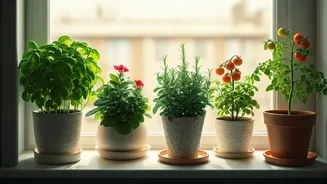
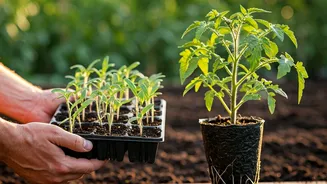
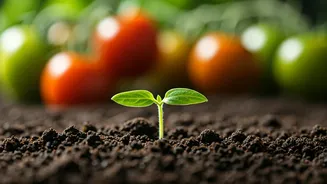
Maximizing your garden's potential throughout the growing season hinges on strategic planting. By the time May arrives, certain seeds benefit greatly from an earlier start indoors or under protection. For instance, tomatoes, peppers, and eggplants, which require a longer growing period and are sensitive to frost, are ideally sown indoors several weeks before the last expected frost. This allows them to develop into sturdy seedlings ready for transplanting into the garden once the weather warms. Similarly, some varieties of cucumbers and melons can also be started indoors to gain a head start. For direct sowing in May, consider planting heat-loving vegetables like beans, corn, and squash, which thrive in warmer soil temperatures. Understanding the specific needs of each plant, including their ideal soil temperature and sunlight requirements, will ensure a successful and abundant harvest.
Deterring Unwanted Critters
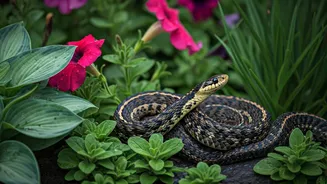
Keeping your garden free from common pests like ground moles and wasps can significantly enhance your enjoyment of your outdoor space. For moles, which can wreak havoc on lawns and garden beds by tunneling, a simple yet effective deterrent involves the use of vinegar. The strong scent of vinegar is often enough to make moles reconsider their habitat. You can create a repellent solution by mixing equal parts white vinegar and water and pouring it directly into molehills and tunnels. Reapply periodically, especially after rain. To discourage wasps, which can become a nuisance, especially around seating areas, avoid leaving uncovered food or sugary drinks outdoors. Simple measures like using a decoy wasp nest can also be surprisingly effective, as wasps are territorial and may avoid areas they perceive as already occupied. Ensuring your bins are securely lidded also helps minimize attraction.