




A Journey Begins
Long before the advent of modern ride-sharing apps and swift metro lines, a singular Indian metropolis established a bus network that profoundly shaped
its residents' daily routines. For countless generations, millions have depended on the distinctive crimson-hued buses to navigate their commutes to work, educational institutions, and back home. This city is none other than Mumbai. The public bus service, managed by the Brihanmumbai Electric Supply and Transport (BEST) undertaking, is universally acknowledged as India's premier and longest-standing public bus transport system still in operation. The inaugural bus route, initiated on July 15, 1926, connected the landmark Afghan Church in Colaba with Crawford Market, which is now officially recognized as Mahatma Jyotiba Phule Market. This new service rapidly gained favor among the populace, presenting a reliable and accessible alternative to the existing tram systems and horse-drawn carriages that were prevalent at the time, marking a significant advancement in urban mobility.
Evolution of the Fleet
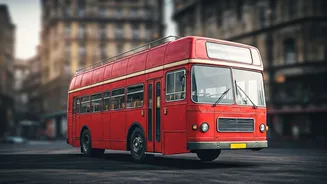
The initial fleet of buses comprised rather basic, single-decker vehicles that were imported from international manufacturers. While these early models offered a stark contrast to the comfort levels we expect from buses today, they represented a monumental stride forward for public transportation infrastructure within India. As the years progressed, BEST introduced double-decker buses into its service. These imposing, multi-tiered vehicles soon evolved to become one of Mumbai's most recognizable and enduring visual emblems, deeply ingrained in the city's identity and skyline. This evolution in vehicle design not only addressed growing passenger numbers but also contributed to the unique character of Mumbai's public transit experience, blending practicality with iconic imagery.
Connecting the Metropolis
Mumbai's trajectory of rapid urban expansion necessitated the development of highly efficient public transportation networks to serve its burgeoning population. The BEST undertaking played a pivotal role in this growth, establishing vital connections between diverse neighborhoods scattered across the sprawling city. It provided an economically viable and accessible travel option for millions of Mumbaikars. For an extensive segment of the city's inhabitants, the ubiquitous red BEST bus transcended its utilitarian function, becoming an integral facet of their daily existence and an undeniable symbol that captured the very essence of Mumbai itself. This seamless integration into everyday life underscores the profound impact of a well-managed public transport system on a city's development and its people's connection to their environment.
A Legacy of Service
Interestingly, the BEST undertaking initially began its operations as a provider of electric tram services before venturing into the realm of bus transportation. Throughout its extensive history, the service has facilitated the movement of millions upon millions of passengers, a testament to its enduring reliability and widespread use. Public buses continue to stand as one of the most economical and easily reachable modes of transit within urban centers across India. Mumbai's pioneering establishment of an organized bus network laid a crucial groundwork for the subsequent development of structured road-based transportation systems throughout the entire nation, influencing how cities across India would approach public mobility for decades to come.