

A Gem from Bundelkhand
India's textile landscape is a vibrant tapestry, woven with diverse regional specialties, each boasting a unique history and cultural significance. While
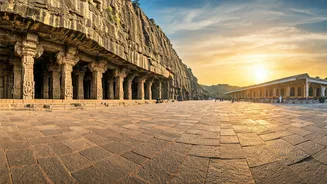
names like Banarasi and Kanjeevaram are widely recognized globally, numerous other traditional weaves quietly flourish, awaiting broader appreciation. Among these treasures is the Lalitpur zari silk saree, originating from the historically rich Bundelkhand region. Nestled at the crossroads of Madhya Pradesh and Uttar Pradesh, Lalitpur is renowned not only for its ancient forts and temples but also for its enduring craft traditions. For generations, local artisan communities have diligently preserved the art of weaving these distinctive sarees, passing down their expertise through family lineages. These exquisite creations are celebrated for their luxurious zari embellishments and remarkable fabric durability, making them a testament to artisanal skill and regional pride.
The Artistry of Zari
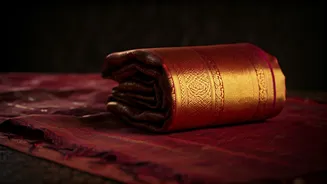
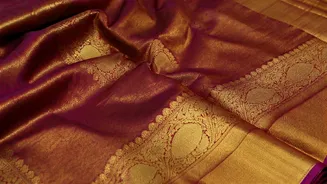
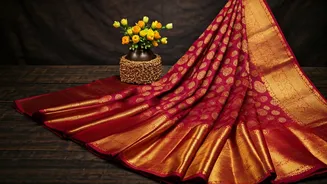
The hallmark of the Lalitpur zari silk saree lies in its sophisticated interplay between shimmering metallic zari threads and the supple silk fabric. The fine silk base provides the drape with a graceful, structured flow, while meticulously woven traditional zari motifs adorn the borders and pallu. These intricate patterns are deeply inspired by the natural world, the distinctive regional architecture, and the ancient temple designs prevalent in the area. The chosen color palette predominantly features lustrous gold and silver tones, strategically employed to brilliantly accentuate the detailed zari work. This careful integration of materials and design elements results in sarees that are both visually stunning and rich in cultural narrative, embodying the artistry of the region.
Crafting the Saree
The creation of a Lalitpur zari silk saree is a labor-intensive process, demanding precision and skill at every stage. It commences with the meticulous preparation of silk yarn, which involves thorough cleaning of raw threads, followed by dyeing them in desired hues, and then winding them onto spools. Following this preparatory phase, intricate design planning takes place, where the specific motifs and patterns are carefully mapped out before the weaving can begin. The next critical step involves the setup of the handloom, where artisans expertly arrange the warp and weft threads. Subsequently, the metallic zari threads are carefully inserted through the fabric, painstakingly forming the elaborate borders and ornate motifs. The final stage encompasses meticulous finishing and polishing, ensuring each saree is a masterpiece, with individual pieces often requiring several days of dedicated effort to complete.
Challenges and Future
Despite its undeniable craftsmanship, the Lalitpur zari silk weave often remains outside the mainstream due to several factors. Limited marketing initiatives compared to major textile centers, the existence of small, dispersed weaving clusters, and a general lack of widespread national exposure contribute to its under-the-radar status. Furthermore, the pervasive competition from mass-produced, machine-made alternatives poses a significant challenge. However, in the current era of fast fashion, there is a burgeoning consumer interest in sustainable fashion choices, slow craftsmanship, and unique regional textiles. This growing appreciation for authenticity and artisanal heritage holds the potential to usher in a brighter future for the Lalitpur zari silk saree, bringing this exquisite weave the recognition it truly deserves.