




Humble Beginnings
In the nascent years of independent India, specifically on September 17, 1967, a young Lava Ramchandra Kannadi, around the age of 20, embarked on a culinary
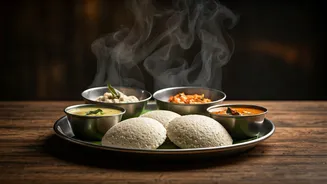
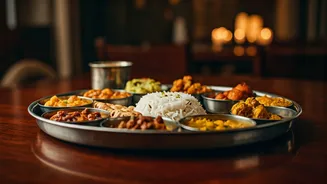
adventure. He poured his entire savings into establishing Hotel Sainath Upahar Gruh, a modest establishment that began as a simple wooden structure. At its inception, the eatery lacked basic utilities like running water and electricity. Kannadi himself would fetch water from the nearby river to power his small bakery, primarily selling pao butter. This dedication and foresight soon led to an expansion of their menu, and within two years, they were serving traditional Maharashtrian fare, including misal and poha. Their early offerings also featured sukhi and oli bhel, alongside evening delights like laddoo and jalebi, laying the foundation for their enduring culinary identity.
A Beloved Institution
As Pune evolved and experienced an influx of people from diverse backgrounds, Hotel Sainath Upahar Gruh solidified its popularity not just within its immediate vicinity but also in the surrounding regions. A significant transformation occurred in 2001 when the restaurant was renovated and rebuilt as a concrete structure, reflecting its growing success and commitment to providing a comfortable dining experience. Today, the hotel proudly boasts a substantial and deeply loyal customer base. Kannadi, affectionately known by patrons as 'kaka' or 'dada,' has cultivated an atmosphere of profound familiarity and warmth. Stepping inside, one is immediately enveloped by a sense of camaraderie, with patrons engaged in lively conversations and shared smiles. This communal spirit is a hallmark of the establishment, fostering a feeling of belonging that transcends mere dining. The consistent, comforting aromas wafting from the kitchen each morning signify the gentle routine of an old couple and their cherished family restaurant, a testament to their dedication over decades.
Authenticity and Connection
The essence of Hotel Sainath Upahar Gruh's appeal lies in its unpretentious authenticity, a sentiment echoed by its devoted clientele. Many customers describe the food as having a comforting, home-cooked quality, akin to what a mother would prepare. This deep emotional connection extends beyond the flavors; patrons often refer to the restaurant as a 'second home,' not solely due to the delicious food but because of the genuine affection and welcoming spirit extended by 'kaka.' Kannadi himself finds immense joy in interacting with his customers, ensuring each person receives attentive service. He firmly believes that the personalized care and consistent quality achievable in a smaller, independent establishment far surpass what larger, more commercialized eateries can offer. This personal touch is a cornerstone of their enduring appeal, fostering a bond that has kept customers returning for generations.
Navigating Challenges
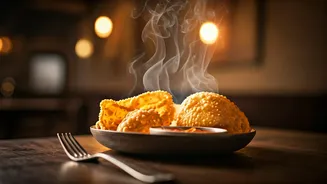
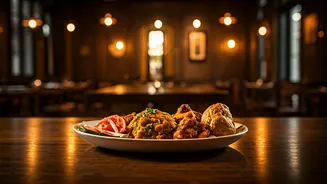
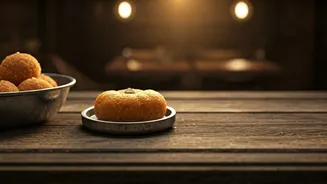
Kannadi has witnessed significant economic shifts throughout the establishment's history, noting the dramatic increase in prices from initial offerings at 10-15 paise to current bills often ranging from Rs 200-300. Even during the challenging period of the pandemic, the demand for their signature misal pao and kadak chaha remained undiminished, with customers patiently queuing while observing social distancing measures, a testament to the dish's popularity. The establishment also faced hardship due to the LPG crisis, necessitating a reliance on a coal sigdi and a kerosene stove, as obtaining a single LPG cylinder on the black market incurred exorbitant costs of Rs 4-5000. Despite these obstacles, the primary focus has always remained on satisfying their customers. Their commitment to quality endures, with the Tari Pohe consistently fluffy and delectable, and the Gol bhajji offering a satisfyingly soft crunch, showcasing their dedication to preserving the taste and quality that their patrons have come to love.