


Springtime Blossoms & Easter
Europe truly awakens in spring, generally from March to May, offering a delightful spectacle of burgeoning flowers and lush greenery. This period is exceptionally
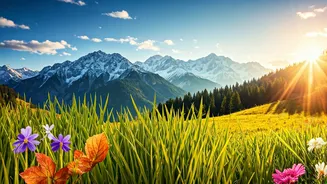
suited for outdoor pursuits like hiking and cycling, as well as visiting picturesque gardens. While packing for occasional rain showers is advisable, the temperatures are agreeably mild, typically ranging from 10°C to 25°C (50°F to 77°F), varying with geographical location. The season is perfect for experiencing vibrant tulip displays in the Netherlands, the enchanting bluebell woods of Britain, the fiery poppy fields of Tuscany, and the delicate cherry blossoms gracing parks across the continent. Moreover, Easter festivities bring a unique cultural flavor with chocolate eggs, craft markets, and solemn religious processions, notably in Seville and Rome. By May, the weather becomes warmer, presenting a wonderful, less crowded opportunity for city and coastal exploration, often with more affordable accommodation rates. The festival season also begins to pick up, featuring events like Seville's Feria de Abril, Coimbra's Queima das Fitas, and concerts in Brussels. This time offers a gentle introduction to Europe's vibrant atmosphere before the summer rush.
June's Summer Prelude
June stands out as a premier month to visit Europe, offering the essence of summer without the peak season crowds. The days lengthen and grow warmer, with rainfall diminishing significantly across the continent. Temperatures generally hover between a pleasant 20°C to 30°C (68°F to 86°F), making it ideal for all kinds of outdoor activities. Travelers visiting in June can explore cities and coastlines while avoiding the most significant influx of tourists seen in July and August. Importantly, with schools still in session, there are often more favorable deals available for flights and accommodation. June also marks the commencement of the summer festival calendar, hosting major events such as Berlin's street parade, Porto's Festa de São João, and London's Greenwich+Docklands International Festival, which brings a wealth of art, music, and free cultural programming. The month is also visually stunning, with clear skies and blooming flora, including the iconic lavender fields of Provence beginning to paint the landscape in shades of purple.
July & August Peak Season
July and August represent the zenith of Europe's tourist season, characterized by the hottest weather, largest crowds, and highest prices, particularly in popular Mediterranean destinations like Spain, Greece, and Italy. Cities often become densely populated, necessitating advance bookings and preparedness for queues. Southern regions can experience scorching temperatures, frequently exceeding 30°C (86°F), making sunscreen and swimwear essential. This period is when beach bars, cafes, and public squares buzz with activity. Many towns and resorts host a variety of events, from open-air concerts to night markets, complementing the booming festival scene. Notable events include Siena's Palio horse race, France's Bastille Day celebrations on July 14th, Austria's Salzburg Festival, and Edinburgh's International Festival. For the adventurous, these months are prime time for long-distance hikes in mountain ranges like the Alps, Pyrenees, and Dolomites above 2000m (6561ft), enjoying extended daylight, snow-free trails, stable weather, and open mountain huts, though booking accommodation in advance is crucial.
Autumn's Harvest & Hues
Autumn, spanning September and October, unveils a magnificent phase to explore Europe, offering golden days, diminishing crowds, and more accessible shoulder-season pricing. September, in particular, maintains mild weather, with temperatures between 15°C to 25°C (59°F to 77°F), perfect for outdoor adventures like hiking, cycling, and kayaking. This month also heralds the grape harvest across European vineyards, filling the air with the aroma of crushed grapes and painting the landscapes with changing foliage. Renowned wine regions such as France's Loire Valley and Burgundy, Portugal's Douro Valley, and Italy's Montepulciano area are particularly breathtaking during this time. September also hosts significant festivals, including the highly anticipated Oktoberfest in Munich. Nature puts on a spectacular display with migrating birds and forests ablaze in hues of gold and crimson, from the Scottish Highlands to Slovenia's Julian Alps and Italy's Lombardy. October can bring more variable weather in the north, but southern locales like Seville or the Canary Islands may still offer pleasant, T-shirt-weather days perfect for enjoying tapas outdoors.
November's Cozy Culture
November marks the true off-peak season in Europe, presenting one of the most tranquil and economical times to visit. Many Mediterranean resorts have closed for the season, and early snow might dust the higher Alpine peaks. While the month is generally cooler, blustery, and rainy, with temperatures typically ranging from 5°C to 15°C (41°F to 59°F), it offers unique advantages. With appropriate waterproof gear and warm layers, this period is excellent for securing travel deals, bypassing queues, and exploring major cities like Paris, Rome, and Dubrovnik, which are often overwhelmed by tourists at other times. As the weather shifts, the focus moves indoors to museums, galleries, and the inviting ambiance of cozy cafes. Cities such as Vienna, Amsterdam, and Copenhagen have cultivated a culture around 'hygge,' emphasizing comfort and relaxation in cafe settings. In Britain, a similar sentiment can be found in country pubs with crackling fires. The month also features Bonfire Night on November 5th, commemorating a historical event with spectacular fireworks displays.
December & January Festivities & Snow
December and January, excluding the Christmas and New Year holidays, represent a generally low-key, uncrowded period offering excellent opportunities for finding good deals on flights and accommodation. Weather conditions can vary significantly, with temperatures dropping well below freezing in Scandinavian and Alpine regions, while southern areas might still reach up to 15°C (59°F). December is synonymous with festive cheer, as Christmas markets appear in towns and cities across Europe, offering choirs, mulled wine, gingerbread, and artisanal crafts. Germany boasts some of the most traditional markets, including the Christkindlmarkt in Nuremberg and the Striezelmarkt in Dresden. In Italy, churches often feature intricate nativity scenes, known as 'presepe'. January sees the commencement of Vienna's grand ball season, where elegantly dressed attendees waltz in opulent ballrooms. This is also the prime time for skiing in the Alps, Pyrenees, and Dolomites, as snow conditions are typically at their best at higher elevations. To secure more affordable travel, it's advisable to avoid school holiday periods.
February's Carnival Spirit
February in Europe can be quite chilly, with temperatures ranging from a frigid -20°C (-4°F) in the Arctic to a milder 15°C (59°F) in the Mediterranean. However, the month is illuminated by the vibrant pre-Lenten carnival season, characterized by elaborate costumes and lively celebrations. Venice is particularly renowned for its spectacular Carnevale, featuring distinctive masks, imaginative costumes, parties, and colorful parades; booking accommodation here months in advance is essential due to the city's popularity during this event. Germany also embraces carnival spirit with energetic parades and parties during Fasching or Fasnacht, especially in Bavaria and the Rhineland. Beyond carnival, February offers a unique opportunity to witness the aurora borealis in the northern regions. From autumn through spring, clear skies and solar activity create the conditions for this breathtaking natural light show, with peak activity often observed in September and March. The Polar Night, from November to mid-January, when the sun remains below the horizon, also enhances viewing prospects. Prime locations for aurora sightings include Abisko in Sweden, Iceland's Westfjords, Tromsø and Svalbard in Norway, and Rovaniemi in Finnish Lapland, where darkness and remoteness increase the chances of experiencing this magical phenomenon, alongside other Arctic winter activities.