







Post-Declutter Purchases
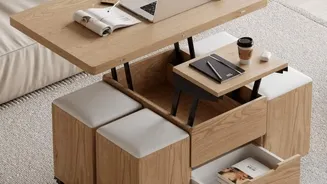
Resist the urge to buy organizational containers right away. Professional organizers strongly advise against this common misstep. Many people purchase
bins and shelves only to find they don't fit their space or needs once the actual decluttering begins. By waiting until after you've sorted through your belongings, you'll gain a clear understanding of the exact quantities and types of storage solutions required. Measure your available shelf space carefully before shopping to ensure your purchases are perfectly suited for your newly organized environment. This approach prevents wasted money and ensures that your organizational tools genuinely enhance your space rather than contributing to further clutter.
Begin with Small Wins
To avoid feeling overwhelmed or burnt out, start your decluttering journey with a manageable project. Professional organizers suggest focusing on a small area, like a single closet or drawer, rather than attempting to tackle an entire room at once. Achieving visible progress in a limited space builds momentum and confidence, encouraging you to continue with subsequent tasks. This strategy allows you to experience early success, reinforcing the positive aspects of decluttering and making the overall process feel less daunting. Small victories pave the way for bigger accomplishments.
Release Negative Triggers
Curate your belongings by letting go of items that evoke negative emotions or unpleasant memories. If an object makes you feel uncomfortable, unattractive, frustrated, or annoyed, it's time to part ways. This includes anything from shoes that cause blisters to clothes that make you feel frumpy, or even damaged household items. Holding onto such possessions does little to enhance your life and can actively detract from your well-being. Donate or discard these items to create space for things that genuinely bring you joy and positivity.
Forget What's Forgotten
During the decluttering process, if you rediscover items you'd completely forgotten you owned, it’s a strong indicator that you don't actually need them. This often applies to duplicate products, seldom-used tools, or books you never intended to read. The core principle of decluttering isn't just about discarding excess; it's about intentionally creating space for the things that are truly functional and beneficial in your current life. Reclaiming this space allows for better accessibility and a more streamlined living experience.
Balance the Purge
Achieving effective decluttering requires a careful balance. Avoid the extremes of over- or under-decluttering. Discarding too much might mean parting with items you'll need later, necessitating repurchase. Conversely, decluttering too little won't create enough open space to meet your organizational goals, such as making everything easily accessible or reclaiming space like a garage. The aim is to find the sweet spot where you retain essentials while efficiently removing unnecessary items, thereby optimizing your living environment.
Defer Photo Sorting
Professional organizers strongly advise against starting any decluttering project by sorting through photographs. Images and memories, while often cherished, can evoke a mix of strong emotions that tend to halt progress and lead to significant distractions. Photos can easily sidetrack your efforts, pulling you away from the task at hand. It's recommended to set them aside in a designated box with a plan to address them later in the process. For extensive photo collections, consider outsourcing to digitization services for a more streamlined approach.