





When to Gaze
Mark your calendars for April 1, 2026, as the Pink Moon reaches its zenith. In the United States, this stunning lunar display will peak at precisely 10:12
PM Eastern Time, 9:12 PM Central Time, and 7:12 PM Pacific Time. For observers in India, the peak viewing will occur slightly later, at 7:42 AM Indian Standard Time on April 2nd. To truly appreciate its splendor, seeking out a location away from urban light pollution is highly recommended. As the moon begins its ascent in the eastern or southeastern sky, you might notice it appearing larger than usual – a captivating visual phenomenon known as the 'moon illusion.'
Name Origins
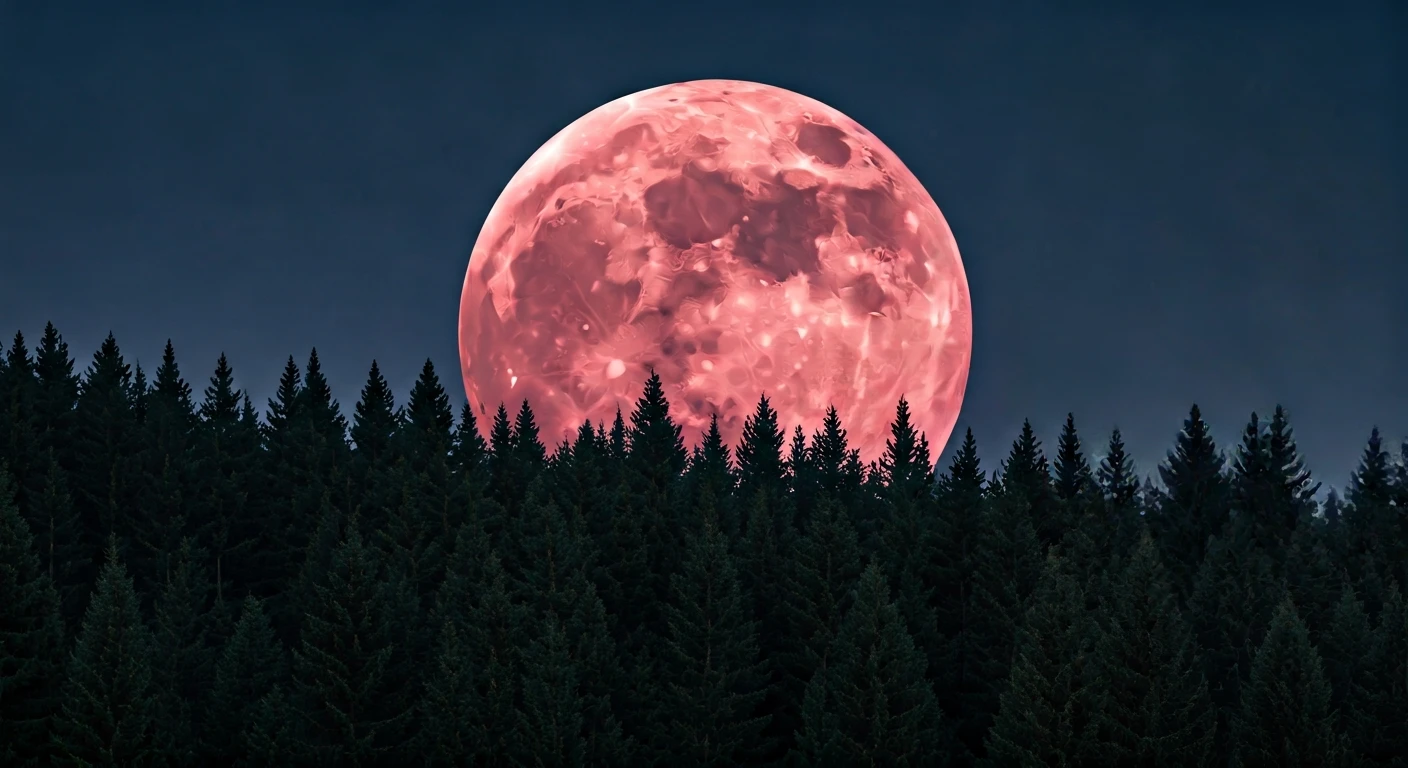
Despite its evocative name, the Pink Moon in April 2026 will not actually appear in a rosy hue. Instead, its moniker originates from the vibrant moss pink flower, scientifically known as creeping phlox, which carpets the landscape in early spring. This delightful bloom inspired Native American tribes and early European settlers to associate the full moon of April with this harbinger of spring. Beyond its floral connection, this full moon holds significant astrological and calendrical importance, as it is also referred to as the Paschal Moon, a key marker in determining the date of Easter each year.
Viewing Strategies
To fully immerse yourself in the magic of the Pink Moon, no specialized equipment is necessary. The most crucial element is finding an unobstructed vantage point with minimal ambient light. Position yourself to observe its rise in the east, where it often presents a grander appearance. For extended stargazing, consider bringing along comfortable seating or blankets. While binoculars or a telescope can offer a more magnified view, they are entirely optional for appreciating this natural wonder. Ensuring clear skies by checking the local weather forecast is also a wise step. Prepare to be mesmerized by its brilliant golden glow illuminating the night sky, a truly peaceful spectacle to behold.