






Climate's Skin Assault
Our skin is facing unprecedented challenges due to increasingly erratic weather. Gone are the predictable seasonal shifts; instead, we experience sudden
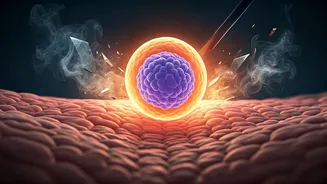
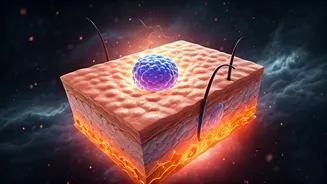
temperature spikes, dramatic humidity fluctuations, and persistent pollution. For individuals in India, this environmental onslaught is particularly intense, exposing skin to a rapid succession of harsh UV rays, stifling humidity, unexpected downpours, and heavy pollution within a single day. The modern lifestyle, with its increased travel, further compounds this stress. Skincare routines that once relied on simple seasonal adjustments are now insufficient. The skin's capacity to adapt and recover is constantly tested, leading to a surge in issues like increased sensitivity, dehydration, uneven skin tone, and premature aging, even in younger demographics. Dermatologists frequently identify a weakened skin barrier as the root cause of these problems, directly linked to these continuous environmental assaults. This is further complicated in India by genetic predispositions to pigmentation, uneven tone, and inflammation, which are exacerbated by pollution and the volatile climate, resulting in visible skin fatigue appearing at an earlier age. The global skincare discourse is shifting from superficial fixes to profound strengthening mechanisms.
NAD+: The Cellular Powerhouse
This is where NAD+ emerges as a pivotal element in understanding skin health, representing a fundamental shift in our approach. Nicotinamide Adenine Dinucleotide (NAD+) is a coenzyme essential for all living cells, playing a critical role in energy production, cellular repair, and regeneration processes. In essence, NAD+ empowers our cells to function optimally and recover more efficiently. As we age, and under the strain of escalating environmental stressors, the natural levels of NAD+ within our skin diminish. This decline impairs the skin's inherent repair capabilities, weakens its resilience, and accelerates the visible signs of aging. While NAD+ has been extensively researched in the field of longevity, its application in skincare is exceptionally relevant in the current climate. A key benefit of NAD+ is its ability to work harmoniously with the skin's natural biological mechanisms. It doesn't force artificial changes or override existing cellular functions; instead, it bolsters the processes already occurring within the cell. This synergy results in a reinforced skin barrier, improved repair of UV-induced damage, and healthier cellular turnover, which is crucial for maintaining skin health amidst unpredictable weather conditions.
Fortifying Skin's Defense
Sun exposure remains a relentless aggressor to our skin, irrespective of the season. In regions like India, UV radiation is a year-round concern, and its cumulative damage continues silently, even on humid or overcast days. Therefore, consistent daily protection is indispensable. A thoughtfully formulated sunscreen offers benefits far beyond merely preventing tanning; it actively reduces inflammation, mitigates DNA damage, and safeguards the skin's capacity for self-repair. The aim here is not simply cosmetic anti-aging but ensuring the skin functions at its peak performance despite formidable environmental challenges. As climate patterns evolve, skincare must evolve in tandem. The future of skincare lies in sophisticated formulations designed to protect during the day, facilitate repair at night, and fortify the skin at its fundamental level. NAD+ symbolizes this progressive direction, acknowledging skin as a dynamic, living organ. In an era marked by environmental uncertainty, cultivating resilient skin is no longer a luxury but an absolute necessity for maintaining overall well-being.