


Introduction to Indian Sweets
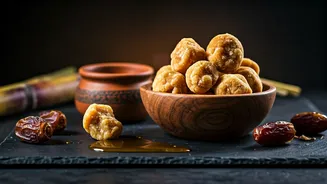
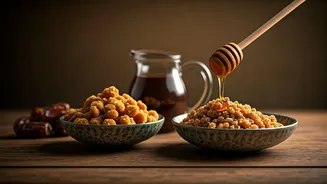
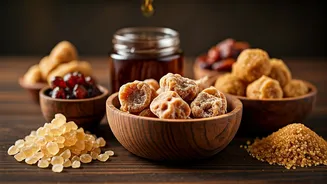
Indian desserts, or 'mithai,' are a vital part of Indian culture, celebrated during festivals, weddings, and everyday moments. These sweets are characterized
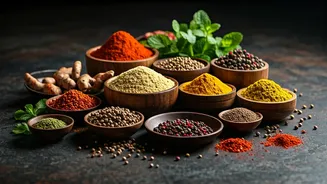
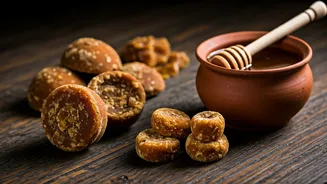
by their rich flavors, often incorporating ingredients like milk, ghee, nuts, and cardamom. Each region boasts its own unique dessert specialties, reflecting the diverse culinary traditions across India. The use of natural sweeteners, such as jaggery and sugar, contributes to the distinct sweetness. These desserts are not just treats; they are symbols of joy, togetherness, and cultural heritage, passed down through generations. From the creamy textures to the fragrant spices, Indian sweets offer a sensory experience unlike any other.
Gulab Jamun's Sweet Embrace
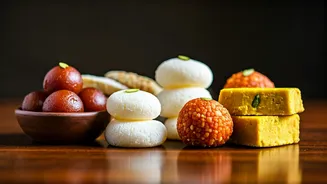
Gulab Jamun, a classic Indian dessert, features deep-fried milk balls soaked in a rose-flavored sugar syrup. The soft, melt-in-your-mouth texture comes from khoya (dried milk solids) or milk powder, mixed with flour and a leavening agent. Once fried to a golden brown, these dumplings are immersed in a fragrant syrup infused with rose water and cardamom. The syrup penetrates the centers, making each bite incredibly juicy and flavorful. Gulab Jamun is often served warm, garnished with pistachios or almonds, and is a staple at celebrations and festivals across India. Making Gulab Jamun involves careful frying to prevent burning and a balance of flavors in the syrup, making it a delightful dessert.
The Charm of Rasgulla
Rasgulla, another beloved dessert, consists of spongy, cheese-based balls steeped in a light sugar syrup. These Bengali sweets are made from chenna (fresh cheese), gently kneaded and shaped into small balls. They are then simmered in a sugar syrup until they absorb the sweetness and puff up. The result is a soft, airy dessert with a delicate sweetness, often flavored with cardamom or rose water. Rasgulla is a popular treat during festivals and celebrations and is often enjoyed cold. The key to making perfect Rasgulla is the quality of chenna and the careful cooking process to ensure a light and spongy texture. The syrup must be just right – not too thick, not too thin – to fully infuse the Rasgulla with flavor.
Kulfi: Indian Ice Cream
Kulfi, the traditional Indian ice cream, offers a rich, creamy texture and unique flavors. Unlike Western ice cream, Kulfi is not churned, resulting in a dense consistency. It's made by slowly simmering milk, sugar, and various flavorings until it thickens, then freezing it in molds. Common flavors include pistachio (pista), mango, cardamom, and saffron (kesar). Kulfi is often served on a stick or in a small earthenware pot called a 'matka'. The slow cooking process caramelizes the milk solids, giving Kulfi its characteristic rich taste. Its dense texture and intense flavors make it a popular treat during the hot Indian summers, and it’s a delightful way to experience the creamy side of Indian cuisine.
Barfi: Milk Fudge Delight
Barfi, a simple yet elegant Indian sweet, is a milk fudge made with milk solids, sugar, and flavorings. The basic barfi is made with khoya or milk powder cooked with sugar until it thickens and solidifies. It is then flavored with cardamom, saffron, or nuts. Various regional variations exist, including besan barfi (made with gram flour) and coconut barfi. The texture can vary from soft and chewy to firm, depending on the cooking time and ingredients. Barfi is often cut into square or diamond shapes and decorated with silver leaf (vark). The preparation is relatively straightforward, but the quality of ingredients and careful cooking are essential for a perfect taste and texture. Barfi’s versatility and simple elegance make it a favored treat during festivals and special occasions.
Jalebi's Crispy Twirls
Jalebi, a vibrant and crispy Indian dessert, features deep-fried batter soaked in sugar syrup. The batter, made from maida flour (all-purpose flour) and fermented with yogurt or yeast, is piped into hot oil in circular shapes. These are fried until golden brown and then immediately immersed in a sugar syrup infused with saffron, cardamom, or rose water. Jalebi is best enjoyed warm, allowing the syrup to soak into the crispy exterior, making each bite a delightful combination of textures and flavors. It is a popular street food and is often enjoyed with rabri (sweetened condensed milk) or a cup of chai. The distinct spiral shape and contrasting textures make it visually appealing and delicious.
The Richness of Halwa
Halwa is a versatile Indian dessert that encompasses a wide variety of preparations, typically involving semolina, wheat flour, carrots, or lentils, cooked with sugar, ghee, and nuts. Each type of halwa offers a unique texture and flavor. Sooji ka halwa (semolina halwa) is a simple and popular breakfast item. Gajar ka halwa (carrot halwa) is a rich and flavorful dessert often prepared with grated carrots, milk, sugar, and nuts. Moong dal halwa (lentil halwa) offers a rich, melt-in-your-mouth experience. The key ingredients such as ghee, nuts, and spices create a complex and inviting taste profile. Halwa is often served warm and is a cherished comfort food across the Indian subcontinent. The slow cooking process allows the flavors to meld together, resulting in a rich and satisfying sweet dish.
Payasam: Rice Pudding Delight
Payasam, a creamy rice pudding, showcases the simplicity and richness of Indian desserts. Rice is cooked in milk with sugar and aromatic spices like cardamom and saffron. Nuts, such as cashews and almonds, are often added for texture and flavor. The slow cooking process allows the flavors to meld, creating a thick, creamy consistency. Variations include adding vermicelli (semiya payasam) or sago (sabudana payasam). Payasam is a popular dessert for festivals and special occasions, often served warm or cold. The subtle sweetness, combined with the fragrant spices, makes it a comforting and satisfying dessert, embodying the warmth of Indian hospitality. The careful balance of ingredients results in a dessert that's both simple and elegant.
Mysore Pak: Sweet Crumble
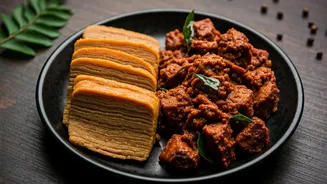
Mysore Pak, originating from the royal kitchens of Mysore, is a rich and melt-in-your-mouth sweet made with gram flour (besan), ghee, and sugar. The gram flour is roasted with ghee to create a granular texture, then cooked with sugar syrup. As the mixture cooks, it becomes airy and porous, forming a crumbly, melt-in-your-mouth texture. Mysore Pak is known for its intense ghee flavor, which is a key component of its rich taste. This sweet is a favorite during festivals and celebrations and is often cut into square or rectangular shapes. The careful control of the cooking process and the balance of ghee and sugar are crucial for achieving the perfect texture. The distinct flavor profile is a testament to the skill and artistry of Indian sweet makers.
Ladoo's Sweet Spheres
Ladoo, spherical sweets, are among the most popular Indian desserts. They come in many varieties, with the most common being besan ladoo (made with gram flour), motichoor ladoo (made with tiny fried droplets of gram flour), and coconut ladoo. The ingredients are typically combined with ghee, sugar, and nuts. The texture can vary from soft and crumbly to slightly firm, depending on the ingredients and preparation method. Ladoos are an essential part of religious ceremonies, festivals, and celebrations in India. The different types of ladoos offer diverse flavors and textures, with each recipe representing a unique regional culinary tradition. Their spherical shape symbolizes completeness and is often considered auspicious. The variety and widespread availability of ladoos showcase the diversity and popularity of Indian sweets.