

Chai Latte's Indian Ancestor
The globally adored 'chai latte' is a direct descendant of India's beloved masala chai. This traditional Indian beverage involves brewing tea with a fragrant
blend of spices like ginger, cardamom, and cinnamon, often enhanced with milk. The very word 'chai' in Hindi translates simply to 'tea,' highlighting its fundamental role in Indian culture. While the Western version often simplifies the spice profile and adds more sweetener, the essence of a warm, spiced, milky tea drink originates from centuries of Indian home brewing, where it was a staple for comfort and revitalization. The complexity of flavors and the comforting warmth are hallmarks that have been passed down through generations, making masala chai far more than just a drink – it's a culinary experience deeply embedded in Indian daily life and hospitality.
Pickling: India's Ancient Art
The contemporary fascination with pickling various produce, from zesty lemons to fiery chillies, has a profound precedent in India's age-old 'achar' tradition. For millennia, Indian households have mastered the art of preservation through oil-based, sun-cured pickles. These vibrant condiments are meticulously crafted with a medley of spices and salt, creating intensely flavorful accompaniments that can last for extended periods, long before the advent of refrigeration. This method not only preserves the food but also transforms its texture and taste, yielding a complex, tangy, and spicy profile that is integral to Indian meals. The Western trend of pickling, while often employing different techniques, echoes the Indian approach of extending the life and enhancing the flavor of seasonal ingredients.
Snack Mix Culture Roots
What is now commonly recognized as 'trail mix' or 'snack mix' in Western contexts has a well-established and diverse counterpart in India through preparations like 'chivda' and 'namkeen.' These Indian mixtures are artfully combined ingredients, typically featuring roasted nuts, dried fruits, a variety of lentils or puffed grains, and an array of aromatic spices. They are designed to provide a burst of energy and a satisfying crunch, making them ideal for on-the-go consumption or as a flavorful accompaniment to tea. The Indian tradition of creating these elaborate snack mixes showcases a deep understanding of flavor profiles and textural contrasts, offering a convenient and delicious way to enjoy a balanced blend of savory and sometimes sweet elements, a concept that resonates with the modern appeal of convenient, nutrient-dense snacks.
Turmeric Latte's Indian Origin
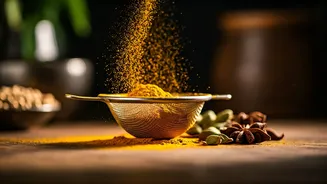
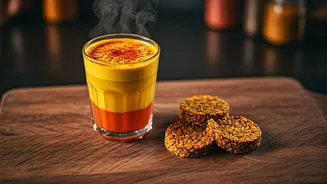
The popular wellness beverage known as the 'golden milk latte' owes its existence to the traditional Indian drink 'haldi doodh.' This comforting concoction involves warming milk and infusing it with turmeric, a spice celebrated for its vibrant color and potent anti-inflammatory properties. Often, a pinch of black pepper is added to enhance turmeric's absorption. For generations, haldi doodh has been a staple in Indian households, traditionally consumed for its perceived health benefits, particularly to bolster immunity and aid in recovery from illness. The modern global embrace of golden milk as a health-conscious beverage reflects a rediscovery and popularization of this ancient Indian remedy, highlighting its enduring appeal and efficacy.
Whipped Coffee: 'Phenti Hui' Style
The recent global phenomenon of whipped coffee, often associated with Korean 'dalgona' coffee, actually finds its origins in the Indian practice of 'phenti hui coffee.' This technique involves vigorously hand-whipping instant coffee with sugar until it transforms into a light, airy, and frothy foam. This rich froth is then traditionally poured over warm or cold milk. For decades, Indian homes have perfected this method using simple spoons, creating a delightful textural contrast and an intensely flavored coffee experience. The viral sensation overseas is essentially a modern iteration of this long-standing Indian tradition, showcasing how a simple home-brewing technique can achieve an impressive and delicious result with minimal effort.
Bowl Meals and Thali Synergy
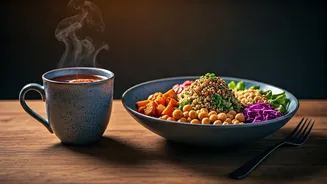
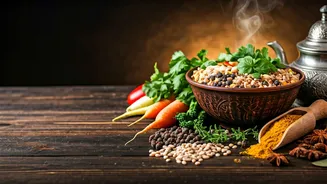
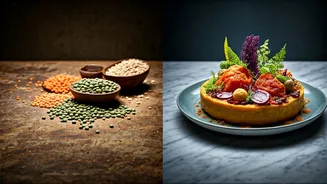
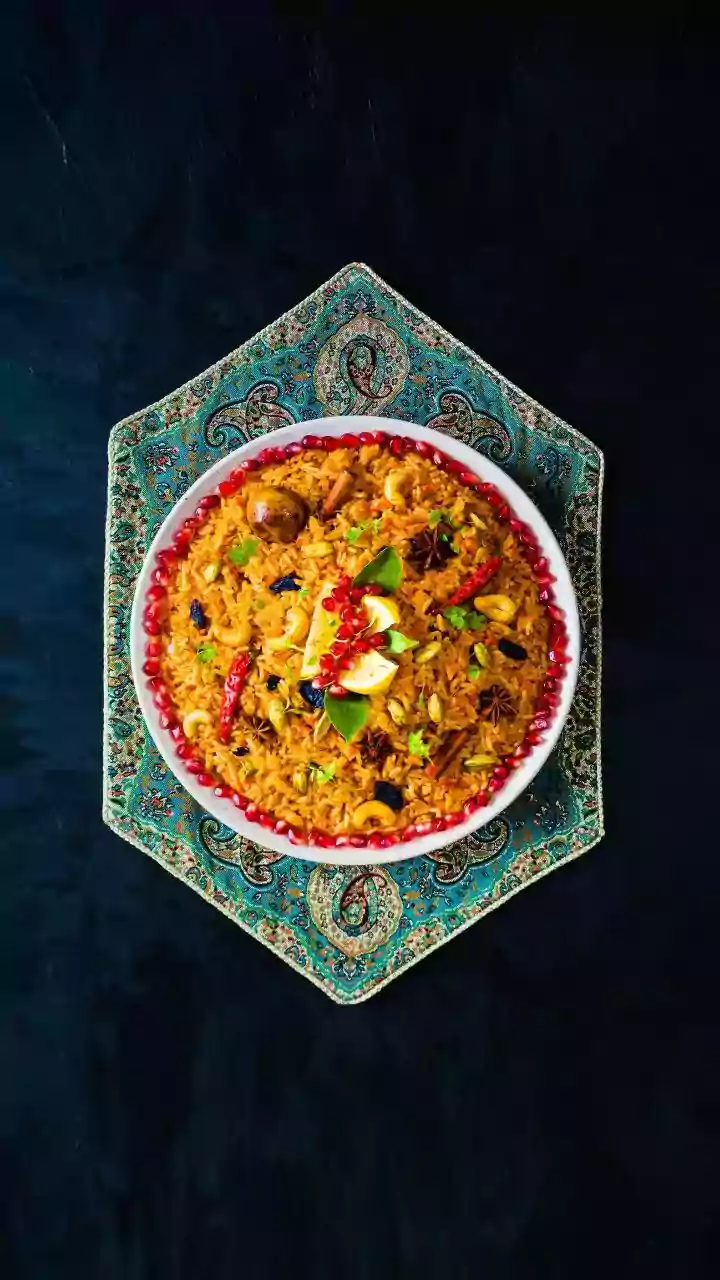
Contemporary culinary trends like 'grain bowls' and 'Buddha bowls,' which emphasize balanced nutrition and diverse ingredients in a single serving, share a striking resemblance to India's traditional 'thali' system. A thali is a meticulously curated platter that presents a harmonious combination of various components, including grains, lentils (dal), a selection of cooked vegetables, yogurt, pickles, and sometimes a sweet dish. This arrangement is designed to offer a complete and nutritionally balanced meal, ensuring a diverse intake of flavors, textures, and nutrients within one sitting. The thali represents an ancient Indian philosophy of mindful eating and holistic nourishment, providing a complete culinary experience that mirrors the modern appeal of a well-composed, all-in-one meal bowl.