




Embrace Hydration & Shade
With Kerala under an intense heatwave, the Health Department strongly advises residents to steer clear of direct sunlight between 11 am and 3 pm. This
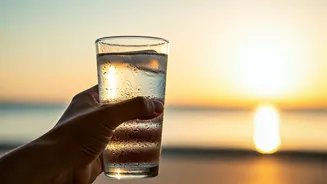
is a critical window where solar radiation is at its peak, posing the greatest risk. For those whose work necessitates being outdoors, it's imperative to adjust schedules, opting for cooler early morning or late evening hours. Hydration is paramount, and you should drink fluids even if you don't feel thirsty. Traditional, effective options like salted rice water, buttermilk, and lemon water are recommended, alongside ensuring all water consumed is either boiled or filtered. Children, in particular, need consistent encouragement to drink water throughout the day to prevent dehydration. Maintaining home ventilation is also key to creating a cooler indoor environment. It's essential to be mindful of the ice used in beverages at food establishments, ensuring it's produced from purified water to avoid contamination. Furthermore, limiting intake of overly sweet drinks and carbonated beverages can contribute to better hydration and overall health during this period.
Protect Vulnerable Groups
Certain segments of the population are at a higher risk during extreme heat and require special attention. This includes young children, the elderly, pregnant women, and individuals managing chronic health conditions. These groups should exercise extra caution and take all possible precautions to stay cool and hydrated. When venturing outdoors, it's advisable to wear loose-fitting, light-coloured clothing that covers the body to minimize sun exposure. Accessorizing with wide-brimmed hats or carrying umbrellas can provide much-needed shade. Incorporating water-rich fruits such as watermelon and oranges into your diet is beneficial, as is a diet rich in fresh vegetable salads, which also contribute to fluid intake. A critical safety reminder is to never leave children or elderly individuals unattended in parked vehicles, as temperatures inside can rapidly become dangerously high, even with windows slightly ajar. Don't forget our animal companions and feathered friends; ensure pets and birds have constant access to fresh water.
Spotting Heat Illnesses
Prolonged exposure to high temperatures without adequate protection can lead to serious conditions like sunstroke and heat exhaustion. It's vital to recognize the warning signs. Symptoms of heat-related illness can include sunburn, a feeling of overwhelming fatigue, dizziness, and headaches. You might also experience nausea or vomiting. Profuse sweating is a common sign, but in more severe cases, you may notice extreme thirst or a significant reduction in urination, with the urine appearing dark in colour. Other indicators to watch for are a rapid heartbeat and confusion. If any of these symptoms manifest, immediate action is necessary. Move the affected person to a cool, shaded environment. Encourage them to drink water and remove any tight or heat-trapping clothing. Applying cool water to the body using a sponge or cloth, and using a fan or air conditioning can help lower body temperature. If symptoms are severe or persist, seek prompt medical attention without delay.