





The Breath-Body Connection
In our fast-paced lives, stress has become a constant companion, contributing to inflammation and numerous health issues. Yet, the most potent tool for
prevention and healing might be the one we use 20,000 times a day: our breath. Incorrect breathing patterns are surprisingly common, exacerbating psychosomatic components of modern ailments. Chronic stress keeps the sympathetic nervous system, our 'fight-or-flight' response, in overdrive, leading to elevated cortisol and low-grade inflammation. This imbalance can manifest as hypertension, diabetes, thyroid issues, chronic pain, digestive problems, and fatigue. Fortunately, breathwork offers a direct route to interrupt this cycle, guiding the body from stress overload to parasympathetic 'rest and repair' mode, thereby lowering stress hormones, enhancing circulation, and promoting recovery. It's estimated that 60-80% of individuals experiencing chronic stress exhibit dysfunctional breathing habits.
Diaphragmatic Breathing Mastery
Diaphragmatic breathing, often called belly breathing, utilizes the diaphragm, a large dome-shaped muscle at the base of your lungs, efficiently. This technique is crucial for promoting deep relaxation and physiological benefits such as reduced blood pressure and heart rate. The practice involves inhaling deeply through your nose, feeling your abdomen expand outwards, and then exhaling slowly and deliberately. By engaging the diaphragm, you ensure fuller oxygen exchange, which signals your nervous system to downshift from a stressed state to one of calm. This foundational breathing method is key to unlocking the restorative power of your breath and is a cornerstone for improving overall relaxation and well-being.
Calming with Box Breathing
Box breathing is a structured technique designed to stabilize your nervous system and reduce stress through rhythmic breath control. It works by focusing your mind on a deliberate counting pattern, typically inhaling for four counts, holding for four, exhaling for four, and holding again for four. This 'four-sided' approach creates a meditative effect, effectively distracting from anxious thoughts and grounding you in the present moment. Beyond its stress-reducing capabilities, box breathing is known to stabilize heart rate and significantly improve concentration, making it an invaluable tool for managing high-pressure situations and regaining mental equilibrium quickly.
Balancing with Nostril Breath
Alternate nostril breathing, known as Nadi Shodhana in yogic traditions, is a powerful practice for harmonizing the brain hemispheres and restoring emotional balance. This technique involves selectively breathing through one nostril at a time, alternating between the left and right. By focusing on this nasal pathway manipulation, you encourage a more balanced flow of energy and oxygenation across both sides of your brain. The result is a profound sense of calmness and neurological equilibrium, helping to alleviate anxiety and promoting a serene mental state. It's a sophisticated yet accessible method for achieving mental clarity and inner peace.
Deep Relaxation: 4-7-8
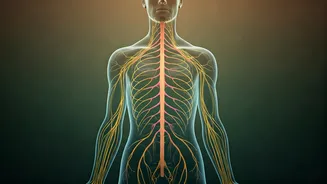
The 4-7-8 breathing technique is a potent method for naturally sedating the nervous system and combating anxiety. Its efficacy lies in the extended exhalation phase, which actively stimulates the vagus nerve. This stimulation is key to activating the parasympathetic nervous system, directly counteracting the effects of stress. The practice involves inhaling for a count of four, holding your breath for a count of seven, and then exhaling very slowly for a count of eight. This prolonged exhale encourages a deeper relaxation response, allowing your body and mind to unwind significantly and achieve a state of profound tranquility.
Soothing Humming Breath
Drawing inspiration from the Bhramari pranayama, humming breathing involves exhaling while producing a gentle, resonant humming sound. This simple act has remarkable physiological effects. The vibration generated during the hum enhances nitric oxide production in the sinuses, which aids in better ventilation and oxygenation. Furthermore, it helps to stimulate vagal tone, a crucial indicator of the body's ability to relax and recover. The overall experience is one of deep relaxation and a pervasive sense of calmness, making it an excellent technique for winding down and finding inner peace after a demanding day.