




Enhanced Security Measures
As of April 1st, the Reserve Bank of India has implemented updated regulations for digital payment authentication, prioritizing dynamic and device-specific
security factors. This move is designed to bolster the safety of online transactions and combat the growing threat of digital fraud. The central bank's data highlights a significant increase in internet fraud cases, with over 13,500 reported in FY25 alone, resulting in substantial financial losses exceeding ₹520 crore. These statistics underscore the critical need for more robust and secure methods of verifying online payments, moving beyond traditional, less dynamic authentication processes to protect consumers and businesses alike from evolving cyber threats.
The Rise of Biometric Passkeys
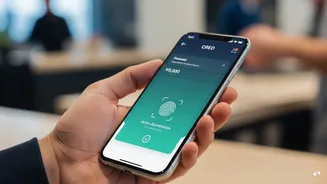
In response to these new guidelines, a prominent payments platform has launched an innovative biometric 'Passkey' solution for card transactions. This new system allows users to authenticate online payments using their device's built-in fingerprint or facial recognition capabilities, effectively replacing the often-cumbersome one-time password (OTP) process. The authentication is seamless, occurring directly on the user's device without any need for redirection or manual input of codes. This approach significantly enhances user experience by streamlining the checkout process and minimizing potential points of friction during a transaction, making it quicker and more intuitive for everyday use.
Addressing Authentication Failures
OTP-based verification, a long-standing standard in India's digital payment ecosystem, has unfortunately been a frequent source of transaction failures. Industry estimates suggest that approximately 35% of all payment failures are attributable to authentication-related issues. These can range from delayed OTP delivery, incorrect entry by the user, or session timeouts that disrupt the authentication flow. The biometric passkey method is specifically engineered to mitigate these challenges by providing instant, device-bound verification. This transition aims to dramatically improve transaction success rates, potentially reaching as high as 95%, and substantially reduce the incidence of OTP-related payment declines, thereby creating a more reliable payment experience for everyone involved.
Securing Sensitive Data
A key advantage of the passkey-based authentication system is its inherent security architecture, which differs markedly from OTP methods. Instead of relying on dynamic codes sent via SMS, this new system utilizes tokenized credentials securely stored on the user's personal device. This means that sensitive card details are never transmitted to merchants or any third-party entities during the transaction process. By minimizing the exposure of personal financial information, this approach significantly reduces the risk of data breaches and subsequent fraudulent activities, offering a much higher degree of privacy and security for online card payments.