




Understanding Bald Patches
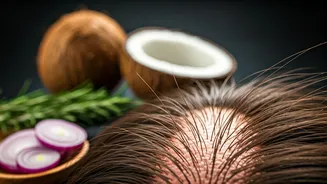
Encountering a bald patch can be unsettling, often more so than generalized hair thinning. While the visual impact is immediate, these spots typically
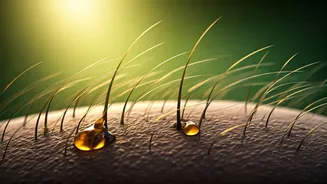
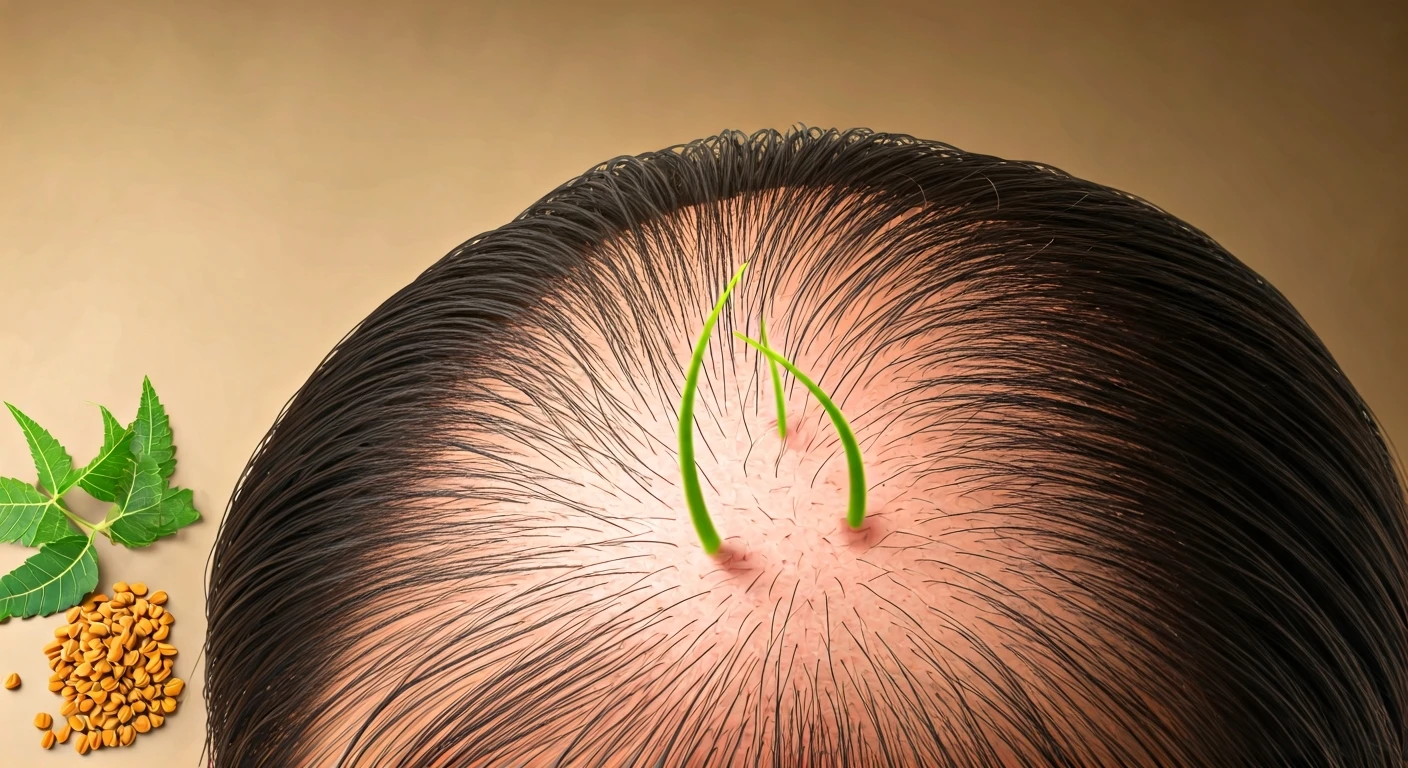
signal underlying issues that can be addressed. Common culprits include compromised blood circulation to the scalp, fatigued or stressed hair follicles, hormonal fluctuations, significant stress, nutritional deficiencies, or specific conditions like Alopecia Areata. It's crucial to recognize that in many instances, particularly in the early stages, the hair roots within these areas remain viable; they've simply entered a dormant phase, akin to a plant awaiting the right conditions to flourish again. This understanding is fundamental to adopting a restorative approach.
The Potent Ayurvedic Oil Blend
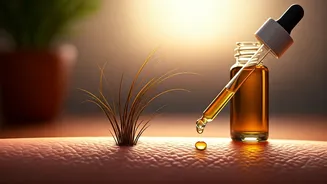
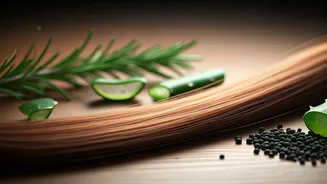
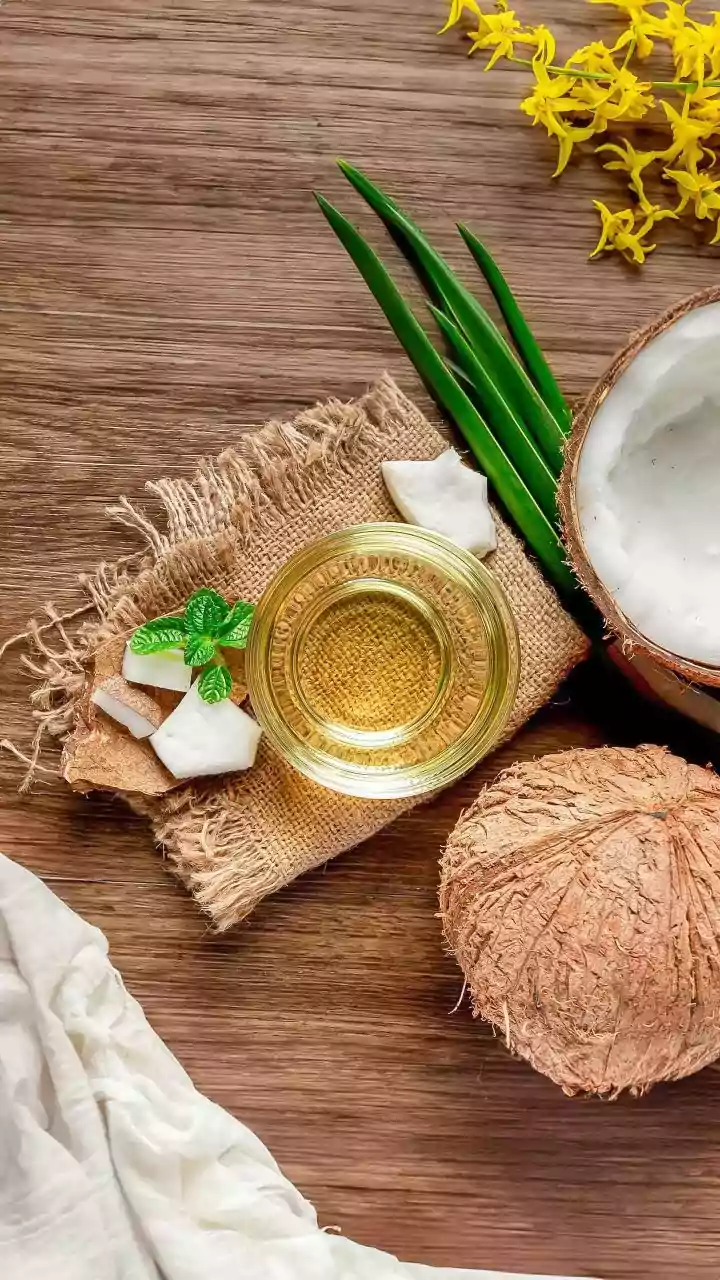
This effective hair revitalization potion relies on ingredients readily available in most Indian kitchens, making it both accessible and familiar. The core components are 2 tablespoons of coconut oil, 1 tablespoon each of castor oil and almond oil, 1 teaspoon of fenugreek (methi) seeds, 8–10 curry leaves, and 1 teaspoon of kalonji (black seeds). Preparation is straightforward: gently warm the coconut oil over low heat and add the methi seeds and curry leaves, sautéing until they darken slightly but avoid burning. Introduce the kalonji seeds and stir for an additional minute. After removing from heat and allowing it to cool, incorporate the castor and almond oils. Strain the mixture into a clean container for storage. This simple process yields a potent blend ready for application.
Application Technique Essentials
The efficacy of this Ayurvedic oil mix hinges significantly on its application and the accompanying scalp massage, which is as vital as the blend itself. Begin by gently warming a small quantity of the prepared oil in your palms. Apply it directly onto the affected bald patch, then proceed to massage it into the scalp using your fingertips. Employ small circular motions for a dedicated 5–7 minutes. This massage is critical for stimulating blood flow to the area, which is paramount for encouraging hair follicle activity. For optimal results, leave the oil on overnight; however, if this is not feasible, a minimum of 2–3 hours will suffice. Rinse off with a mild shampoo. Aim to perform this treatment 3 to 4 times per week, as consistency is the cornerstone of achieving the desired outcomes.
Observing Progress Over 30 Days
It's important to maintain realistic expectations; noticeable hair regrowth won't occur overnight. However, with consistent adherence to this 30-day regimen, tangible changes can be observed. In the first week, your scalp may begin to feel less dry and irritated, indicating an improvement in its overall health. By the second week, you might start noticing extremely fine, soft, and almost invisible baby hairs emerging. During the third week, the stark appearance of the bald patch may diminish, and the texture of the surrounding scalp could improve. By the end of the fourth week, under favorable lighting, actual regrowth should become apparent, accompanied by a reduction in hair fall around the treated area. While complete disappearance of the bald spot within 30 days is unlikely, significant improvement is probable in many early-stage cases.
The Synergy of Ingredients
The effectiveness of this oil blend lies in the specific benefits each ingredient contributes to hair health and scalp revitalization. Coconut oil offers deep nourishment and helps mitigate hair damage. Castor oil is renowned for its ability to enhance blood circulation, a key factor in stimulating hair growth. Almond oil delivers essential Vitamin E, which fortifies hair roots. Fenugreek seeds are traditionally used to decrease hair fall and promote strength. Curry leaves are instrumental in nurturing scalp health, creating a conducive environment for growth. Lastly, kalonji seeds possess properties that aid in reviving weakened hair. Collectively, these components address the issue at its root rather than just treating superficial symptoms.
Common Pitfalls to Avoid
A primary reason for encountering insufficient results is a lack of persistence; many individuals discontinue the treatment after just 10 days, which is a significant misstep. Other common errors include expecting instantaneous results, neglecting the crucial scalp massage component, overusing harsh shampoos that strip the scalp of its natural oils, and completely disregarding the impact of diet on hair health. It's vital to understand that hair regrowth is a gradual process, and shortcuts are non-existent. Patience and consistent application of the recommended routine are paramount for observing positive changes.
The Nutritional Factor
The efficacy of even the most potent topical treatments can be significantly hampered if the body lacks essential nutrients. Internal health directly influences external appearance, including hair vitality. Therefore, complementing the oil treatment with a nutrient-rich diet is highly recommended. Incorporate foods such as soaked almonds and walnuts, abundant green vegetables, sufficient protein sources like lentils, paneer, or eggs, and amla or other foods rich in Vitamin C. By nourishing your body from within, you create an optimal internal environment that supports and enhances external hair care efforts, leading to more robust and sustainable hair health.
A Realistic Perspective
It is important to approach this Ayurvedic remedy with a clear understanding of its scope. If a bald spot is a consequence of a more serious underlying medical condition or long-term damage, the oil treatment, while beneficial for scalp health and potentially preventing worsening, may not be a standalone cure. However, for thinning related to stress or early-stage hair loss, this consistent routine can offer genuine and positive results. A bald spot, while initially distressing, simply signifies a need for focused scalp care. This oil mix is not a magical solution but represents diligent, consistent care—often the most effective stimulus for the body's natural regenerative processes. Committing to 30 days of focused, uninterrupted application can indeed lead to visible signs of life returning to concerned areas.