






Assam: A Tea Powerhouse
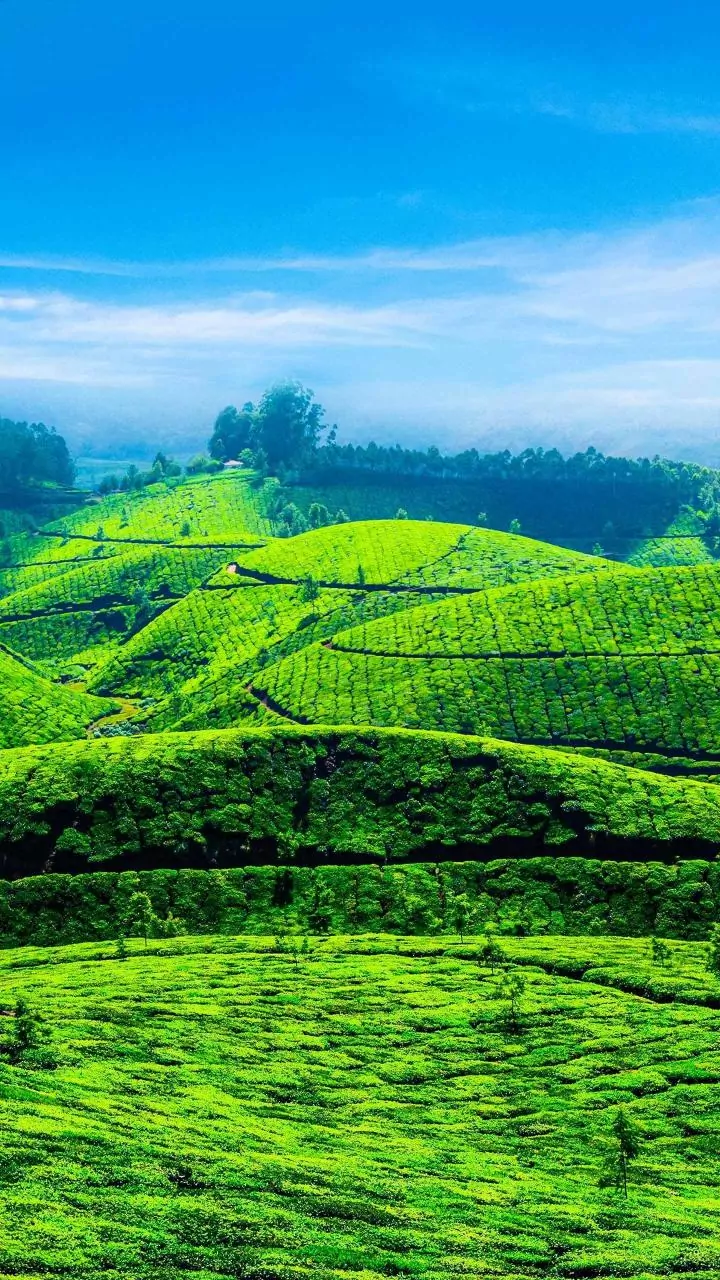
Assam, a northeastern Indian region, is indisputably the world's tea capital, producing a staggering 52 percent of India's total tea output, equating to approximately
630 to 700 million kilograms annually. This remarkable volume represents one-sixth of all tea cultivated globally, positioning Assam as a major, yet often unrecognized, force in the international tea market. The region's deep connection with tea began in the 1830s when the British recognized its ideal climatic conditions and fertile soil, perfectly suited for tea cultivation. Since then, Assam has solidified its reputation for producing a bold, full-bodied black tea, a staple in many popular blends and a significant export commodity worldwide. Despite its immense contribution to the global tea supply, the nuanced story of Assam's premium teas, particularly the Orthodox variety, remains largely unknown to many consumers.
The Orthodox Distinction
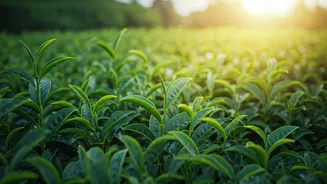
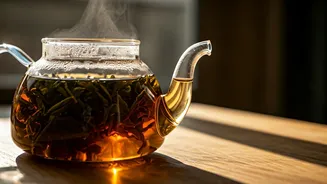
What truly sets Assam Orthodox Tea apart is its meticulous production method and the unique terroir it hails from. Unlike teas grown at higher elevations, the Orthodox variety flourishes almost at sea level, nurtured by the rich, loamy soils of the Brahmaputra floodplains. This specific method, which earned its Geographical Indication (GI) tag in 2008, differentiates it significantly from the more common CTC (Crush, Tear, Curl) teas. Assam Orthodox is celebrated for its robust character, full body, and invigorating briskness, often presenting a striking burgundy-red hue in the cup. Its distinctive malty flavor profile offers a sensory experience that immediately conveys its premium quality and depth. Beyond its taste, the tea is a rich source of powerful antioxidants, such as polyphenols, flavonoids, and catechins, known for their health benefits in neutralizing harmful free radicals. The Guwahati Tea Auction Centre, the world's busiest, exemplifies the scale and reach of Assam's tea trade, facilitating sales worth ₹3,850 crore in FY2025 alone and distributing teas to markets across the Middle East, UK, Japan, and Pakistan. This thriving industry supports over 1 million individuals, with a substantial portion of the workforce being women.
Premium Pricing & Rarity
The discerning quality of Assam Orthodox Tea is reflected in its pricing, with standard Orthodox variants commanding prices up to a thousand Indian Rupees per kilogram in international markets. The most coveted and rare type, Premium Tippy Orthodox, identified by its silvery tips—a hallmark of the finest flush—can fetch even higher valuations. This premium pricing is a direct consequence of several factors: the inherent scarcity of the product, the specialized skills required for its cultivation and processing, and the limited yield that can be sustainably harvested from the land. The intricate steps involved in producing Orthodox tea, from careful plucking to precise oxidation and rolling, demand a level of craftsmanship that cannot be replicated in mass production. This dedication to traditional methods ensures that each cup offers an unparalleled taste and aroma, making it a treasured beverage for connoisseurs and a symbol of Assam's rich tea heritage.