







Weather Woes for Mangoes
This year's mango season in India is facing significant challenges due to unpredictable weather patterns, particularly unseasonal rainfall in March. These
erratic showers have negatively impacted the mango crop, leading to increased fruit drop and making the delicate fruits more susceptible to fungal infections. While mango trees require adequate water during their early fruiting stages, the unexpected downpours during the crucial flowering period have unfortunately disrupted the essential pollination process. This situation casts a shadow over the expected yield for the upcoming mango season, necessitating careful handling and storage practices to ensure that the precious fruits can still be enjoyed to their fullest potential.
The Paper Bag Ripening Hack
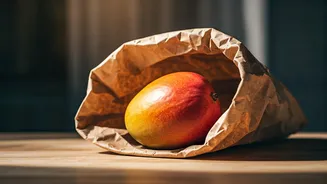
Mangoes naturally produce ethylene gas as they ripen, a process that can be accelerated by the heat and humidity of summer, which in turn traps moisture and promotes mold. The brilliant simplicity of using paper bags lies in their ability to create an optimal ripening environment. They capture enough of the ethylene gas to encourage even ripening, while simultaneously allowing for sufficient air circulation. This prevents the excessive moisture buildup that often occurs with sealed plastic bags, thereby averting the dreaded soggy texture and potential spoilage. It's a clever balance that ensures your mangoes soften and sweeten beautifully without succumbing to decay.
Generations of Wisdom
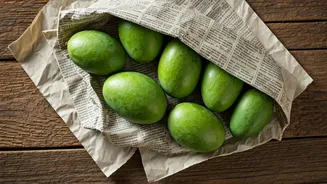
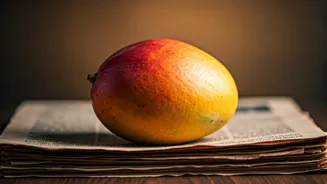
This ingenious method of fruit ripening is far from new; it's a cherished tradition passed down through countless generations. In earlier times, when families would harvest a large quantity of semi-ripened mangoes from their orchards, they would meticulously wrap each fruit in newspaper. These wrapped mangoes were then carefully stored in large baskets, placed in dry areas with indirect light, far from the harsh glare of the sun. This practice, often referred to as ‘paal ka aam,’ was the secret to achieving perfect ripeness and preventing any spoilage, ensuring that the fruits were ready to be savored at their peak.
Mastering the Technique
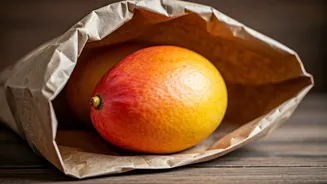
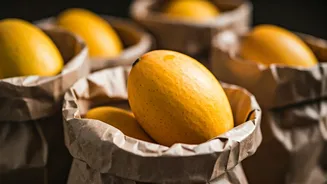
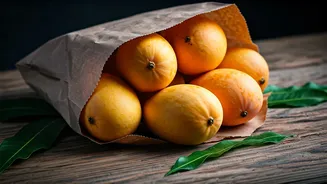
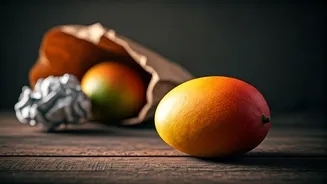
To effectively use this traditional storage technique, pay close attention to the ripeness of your mangoes. For entirely raw, green mangoes, place them loosely inside a paper bag and fold it over without sealing it tightly. Store these bags at room temperature, away from direct sunlight. The paper will naturally facilitate even ripening. For mangoes that are already partially ripe, opt for a loose paper bag placed in a cooler corner of your kitchen; this controlled airflow will slow the ripening process, allowing them to soften perfectly. In humid conditions, particularly during monsoons or muggy summers, lining the paper bag with a layer of tissue can help absorb excess moisture, a vital step to prevent spoilage. If you happen to have an over-ripened mango, isolate it in its own bag to prevent its ethylene gas from prematurely ripening the others, helping to keep your entire batch in sync.
Storage Don'ts and Dos
To ensure your mangoes ripen perfectly and stay fresh longer using the paper bag method, it's crucial to avoid certain common pitfalls. Never seal the paper bags tightly, as the fruits need to breathe; adequate airflow is essential. Resist the temptation to stuff too many mangoes into a single bag, as this can lead to uneven ripening and potential spoilage. Steer clear of placing the bags on warm surfaces like ovens or near windows that receive direct sunlight, as excessive heat can cause them to overripen or spoil. Also, avoid using greasy or contaminated paper bags, as these can impart off-flavors to your fruit. By following these simple guidelines, you can significantly extend the prime freshness of your mangoes.