





The Power of Touch
Delving into the benefits of scalp massage reveals a time-tested method for enhancing hair health. This practice, rooted in ancient wisdom, acts as a natural
stimulant for hair follicles. By increasing blood circulation to the scalp, it ensures a richer supply of essential nutrients and oxygen reach the hair roots. This improved nourishment is crucial for reducing hair shedding, enhancing the texture and strength of existing hair, and promoting the growth of new strands in areas experiencing thinning. It's a straightforward, accessible approach that supports overall scalp vitality and can make a noticeable difference in hair density over time.
Science Behind Stimulation
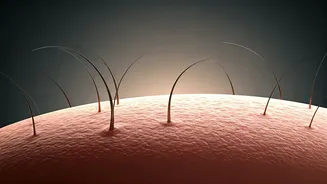
The effectiveness of scalp massage isn't mere conjecture; it's grounded in physiological responses. When you massage your scalp, you're actively engaging the skin and the underlying vascular network. This physical manipulation encourages increased blood flow, which in turn delivers vital oxygen and nutrients to the dermal papilla cells at the base of each hair follicle. Furthermore, research indicates that the stretching action of the scalp during massage can stimulate these very cells, signaling them to promote thicker and more robust hair growth. While not an instant solution for significant hair loss, this consistent stimulation provides a supportive environment for hair to thrive and can significantly improve its quality and density.
Regrowth Realities
When addressing bald spots, it's important to set realistic expectations. Scalp massage is a potent ally, especially for hair loss attributed to stress, poor circulation, or early stages of dormancy. It can effectively jumpstart regrowth in these instances. However, if hair follicles have been dormant for an extended period, particularly in cases of advanced or permanent baldness, the visible results might be more subtle. Nevertheless, even in challenging areas, cultivating a healthy scalp environment through massage lays a crucial foundation for any other hair treatments to be more effective. Trying this method yields no downsides and provides a significant health benefit to your scalp.
Optimal Timing & Frequency
The impact of scalp massage is significantly amplified by consistent application. While the ideal time can vary, incorporating it into your routine is paramount. Consider a pre-sleep ritual, as your body is in a restorative state overnight. Applying oils before washing your hair can also enhance product penetration with a preceding massage. Immediately after showering, when pores are open and the scalp is clean, presents another prime opportunity for stimulation. The golden rule, however, is consistency: aiming for at least 4-5 sessions per week is key to observing tangible improvements, far more so than infrequent, lengthy sessions.
Mastering the Technique
Achieving optimal results from scalp massage requires a refined technique. Begin by ensuring your scalp is either dry or lightly oiled with a light option like rosemary or jojoba oil. Crucially, use the fleshy pads of your fingertips, avoiding your nails, which can cause micro-damage. Start at your hairline and move in slow, deliberate circular motions, progressing towards the crown and down to the nape of your neck. Apply moderate pressure – enough to feel the scalp moving over the bone, but not so much that it causes discomfort. Dedicate approximately three minutes to specifically massage any thinning areas using firm, rhythmic circles to boost circulation. Conclude with light fingertip tapping and gentle tugs on small hair sections to stimulate nerve endings.
Enhancing with Oils
To further boost the efficacy of your scalp massage, incorporating specific oils can act as a powerful complementary treatment. Rosemary oil, widely recognized for its potential to match minoxidil's effectiveness in early regrowth studies, is a top choice. Castor oil, though dense and potentially messy, offers profound nourishment, particularly beneficial for thinning patches. Onion oil, despite its potent aroma, is rich in sulfur, a component many believe is crucial for reducing hair breakage and promoting strength. When used in conjunction with massage, these oils can enhance nutrient delivery and provide targeted support for hair follicle health.
Common Pitfalls to Avoid
Even with the best intentions, certain practices can hinder the progress of scalp massage for hair regrowth. Sporadic application, often referred to as 'weekend warrior' syndrome, where massage is performed only occasionally, yields minimal results. Aggressive massage techniques that lead to increased hair loss during the session should be immediately adjusted to a gentler pressure. Furthermore, overusing heavy oils without proper cleansing can clog hair follicles, creating an environment counterproductive to growth. Consistent, gentle application and mindful product use are essential to avoid these common mistakes.
Realistic Growth Timeline
Patience and consistency are key when observing the effects of scalp massage. Within the first month, you might notice a difference in scalp comfort, experiencing less tightness or dryness, and potentially observing a reduction in shedding. By the second month, the existing hair may appear shinier and possess more volume at the root. The most significant changes, such as the emergence of fine 'baby hairs' filling in sparse areas, typically become apparent between three to six months of consistent, regular massage practice.
Holistic Hair Care
Scalp massage is most effective when integrated into a broader healthy lifestyle. Ensuring adequate protein intake is fundamental, as hair is primarily composed of protein. Staying well-hydrated and actively managing stress levels also play critical roles in overall hair health. In a landscape often dominated by expensive interventions and chemical treatments, the simplicity and accessibility of scalp massage are particularly appealing. It requires minimal investment beyond your time and dedication, offering a powerful, natural method to take control of your hair's vitality, proving that sometimes, the most effective solutions are the ones that have stood the test of time.