
The Repetition Trap
While the appeal of matching furniture lies in its promise of effortless cohesion, its inherent repetition can be a significant detractor from a room's
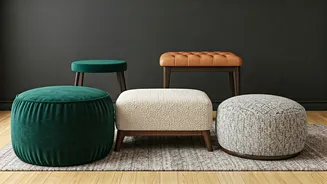
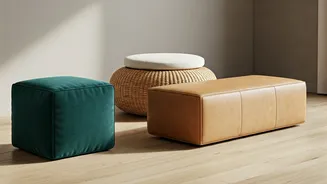
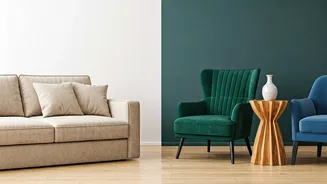
aesthetic appeal. When every piece—from the sofa to the end tables—shares the same wood finish, leg design, or overall visual weight, the space can begin to feel monotonous. This lack of variation strips away depth and can render a living area decidedly uninspiring. To counter this, experts suggest establishing a singular dominant tone or material as an anchor, then introducing a variety of pieces that, while distinct in shape or era, subtly complement each other. This approach allows for a curated look that feels connected without being overly uniform, fostering a more dynamic and engaging environment.
Scale and Proportion Issues
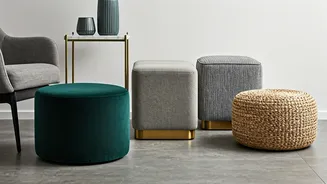
A common drawback of opting for pre-designed furniture sets is the potential for pieces to be ill-suited in size and scale for your specific room dimensions. You might find a sofa that fits perfectly, only to realize that the accompanying chairs are either too bulky or too diminutive for the available space. This miscalculation can disrupt the visual harmony and functionality of the room. By eschewing furniture sets and selecting individual items, you gain the flexibility to choose pieces that are precisely tailored to your home's layout and your lifestyle needs. This conscious selection ensures that each element is proportional to the room and to other furnishings, creating a balanced and visually pleasing arrangement that maximizes the potential of your living area.
Personality Deficit
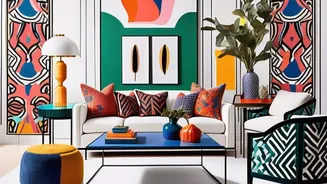
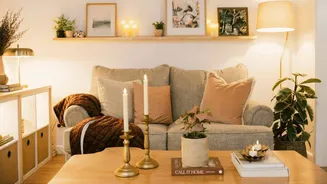
Furniture sets are typically designed with mass appeal in mind, which often means they are intentionally crafted to be somewhat generic, lacking distinct personality or unique flair. This broad appeal, while seemingly practical, can result in a space that feels impersonal. Homes are meant to be extensions of our individuality, but when every furnishing originates from the same collection, the room can easily transform into an impersonal showroom rather than a cherished sanctuary. Designers advocate for the thoughtful blending of styles—perhaps a contemporary sofa paired with a vintage coffee table or a beloved heirloom piece alongside modern accents. The key to successful eclecticism lies in maintaining a consistent overall color palette and ensuring that the scale of the various pieces remains harmonious within the space, allowing for a personal touch without sacrificing visual unity.
The Flatness Factor
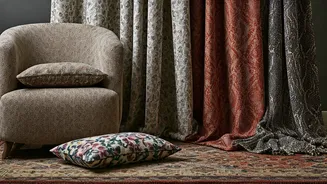
Spaces dominated by uniformly matched furniture often suffer from a lack of visual interest, appearing flat and one-dimensional. In such environments, there are no focal points or delightful surprises to capture the eye, leading to a rather unengaging experience. Many individuals gravitate towards matching sets out of a fear of making incorrect style combinations or having pieces that clash. However, designers offer guidance to ease this apprehension. They suggest starting with one significant piece, such as a sofa or bed, and building the room's aesthetic around it. Furthermore, limiting the dominant finishes to two or three, consciously repeating colors, and maintaining consistent scale are crucial for creating cohesion. By allowing only one or two elements to truly stand out, you can effectively create visual intrigue and a sense of curated charm without overwhelming the space.