






The Six-Month Setback
Shark Tank India personality Namita Thapar, aged 48, recently opened up about a demanding six-month period where her physical activities were significantly
curtailed. This limitation stemmed from a dual challenge: navigating the complexities of menopause and recovering from a frozen shoulder. She candidly described this phase as one where she had to forgo her regular fitness regimen, which included her gym sessions, dancing, yoga, and Pilates. This period of forced inactivity, she explained, was a direct consequence of the pain and immobility associated with her frozen shoulder, which made even simple movements difficult and impacted her ability to engage in her usual exercises. Despite the setback, Thapar expressed a determined spirit to return to her fitness journey, highlighting her current state of partial recovery and her focus on reintroducing movement into her life.
Making a Comeback
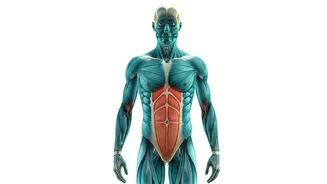
Despite being only about 50% recovered from her shoulder issue, Namita Thapar announced her determined return to the gym with a triumphant declaration, "But baby, I’m back!" Her current workout strategy is thoughtfully designed to accommodate her recovering shoulder, allowing her to concentrate on lower body and core exercises without aggravating the injury. This mindful approach demonstrates her commitment to continuing her fitness journey even with limitations. Thapar emphasized the critical importance of investing in muscle mass, even when certain body parts are temporarily out of commission. She stressed that focusing on maintaining and rebuilding muscle, particularly in the legs and core, is essential for overall physical resilience and long-term health, especially as one ages. Her return signifies not just a personal triumph over physical adversity but also a renewed focus on the fundamental role of muscle in maintaining an active and healthy lifestyle.
Muscle Mass: Beyond Aesthetics
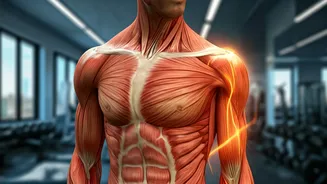
Consultant dietitian and fitness expert Garima Goyal elaborates on the profound significance of muscle mass, particularly for individuals in their 40s and 50s. Goyal explains that muscle tissue plays a far more critical role than mere aesthetic appeal. It is fundamental to maintaining metabolic health, enhancing the body's sensitivity to insulin, and providing crucial support for joints. Furthermore, preserving muscle mass is vital for maintaining bone density and ensuring the body remains robust and resilient as it ages. For those over 40, the natural tendency for the body to gradually lose lean muscle tissue becomes a pressing concern. Goyal stresses that without active stimulation through resistance training, this loss is inevitable. Therefore, a conscious effort to build and maintain muscle becomes paramount for preserving functional strength and overall vitality throughout these crucial decades of life.
The Impact of Inactivity
Garima Goyal highlights the realization that often dawns after periods of inactivity, especially when triggered by injury or recovery. Such breaks underscore just how indispensable muscle mass is for maintaining strength, mobility, and overall well-being. Periods of reduced physical activity can lead to a gradual but significant decline in muscle mass and a noticeable reduction in functional strength. This makes the process of rebuilding muscle a top priority once an individual's body is capable of resuming movement safely. Goyal points out that this decline can affect daily activities and overall quality of life, reinforcing the need for consistent engagement with strength-building exercises to counteract these effects and maintain a higher level of physical capability.
Patient Rebuilding Strategy
The process of returning to the gym after an extended break, as illustrated by Namita Thapar's experience, necessitates a patient and progressive approach to rebuilding strength. Goyal advises that the primary objective should not be to immediately match previous performance levels. Instead, the focus should be on gradually restoring mobility, enhancing stability, and re-engaging muscles effectively. This gradual reintroduction of exercise, coupled with sufficient protein intake to support muscle repair and growth, and adequate rest for recovery, helps the body regain lost muscle mass. This methodical approach is crucial in minimizing the risk of re-injury and ensuring a sustainable return to fitness. It emphasizes listening to the body and respecting the recovery timeline.
Long-Term Health Investment
Goyal reframes the purpose of exercise, moving beyond the sole objectives of weight loss or enhancing physical appearance. She posits that exercise in modern times is increasingly about building and maintaining muscle as a vital protective reserve for long-term health. Rebuilding muscle after a period of inactivity is not merely a return to a fitness routine; it represents a profound investment in several key areas of well-being. This investment directly contributes to improved metabolic health, fosters greater functional independence in daily life, and is fundamental to achieving healthy aging. By prioritizing muscle preservation and rebuilding, individuals are essentially laying the groundwork for a more robust and capable future, ensuring they can maintain an active and fulfilling life for years to come.