



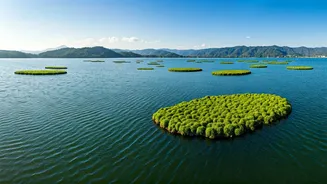


Vast Expanse Revealed
Kutch, located in the western Indian state of Gujarat, stands as India's largest district, spanning an immense 45,674 square kilometers. This colossal
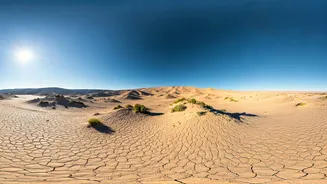
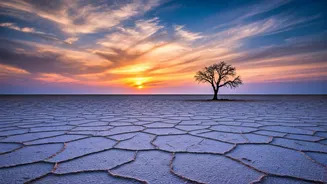
size makes it larger than several Indian states, including Haryana (44,212 km²), Kerala (38,863 km²), and even smaller ones like Goa and Himachal Pradesh. Beyond India's borders, Kutch's area is comparable to that of Estonia (45,335 km²), and it surpasses the size of Denmark (approximately 43,000 km²), the Netherlands (41,500 km²), and Switzerland (41,285 km²), though exact comparisons can vary slightly with the inclusion of offshore territories. Despite its monumental scale, the district is characterized by a remarkably low population density, largely due to its distinctive arid terrain and the expansive Rann of Kutch, the world's largest salt desert.
Sparse Population Dynamics
In terms of population, the 2011 Census recorded Kutch as home to 2,092,371 individuals. Current estimates suggest this figure has grown to approximately 2.5 to 2.8 million people. However, the population density remains exceptionally low, averaging just 46 people per square kilometer. This sparse distribution is a direct consequence of Kutch's challenging geography, predominantly consisting of desert and marshy lands, most notably the Great Rann of Kutch. This vast, arid expanse significantly influences where and how communities can settle, leading to a less concentrated population across its immense area.
Biodiversity's Haven
Kutch is a remarkable sanctuary for biodiversity, sheltering several vital protected areas that are crucial for wildlife conservation. Among these are the Indian Wild Ass Sanctuary, which serves as the last significant habitat for the endangered Indian wild ass, and the Kutch Bustard Sanctuary, dedicated to protecting the great Indian bustard. The Banni Grasslands and the Narayan Sarovar Sanctuary are also key ecological zones within the district. Furthermore, Kutch attracts large congregations of flamingos and a diverse array of migratory birds each year, transforming it into an exceptionally attractive destination for birdwatchers and wildlife enthusiasts keen on observing its rich avian population.
Echoes of Antiquity
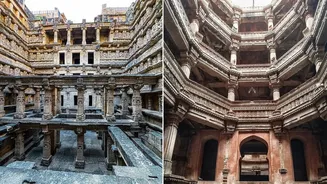
The region of Kutch resonates with an ancient and profound historical legacy, most notably as the home of Dholavira. This significant archaeological site is a UNESCO World Heritage Site and was once a flourishing major city of the ancient Indus Valley (Harappan) Civilization, offering invaluable insights into early urban planning and societal structures. Beyond prehistoric times, Kutch also boasts a rich royal past, evident in its historic palaces and architectural marvels found in Bhuj, such as the stunning Aina Mahal and the elegant Prag Mahal. These structures stand as testaments to the region's vibrant history and the influence of the Jadeja dynasty that once ruled here.
Craftsmanship's Global Stage
Kutch is celebrated globally as a vibrant hub for traditional handicrafts, showcasing an extraordinary range of intricate artisan skills passed down through generations. Each distinct community within Kutch possesses its own unique artistic style and specialty. This includes the renowned Ajrakh block printing, characterized by its complex geometric patterns, and Bandhani tie-dye, known for its vivid colors and intricate designs. Rogan painting, a unique art form involving oil-based pigments applied with a stylus, is another highlight. The district also excels in exquisite embroidery, often adorned with mirror work, as well as traditional pottery, decorative lacquerware, and the art of bell-making, making Kutch a true powerhouse of cultural heritage and artisanal excellence.