





AI's Impact on Recruitment
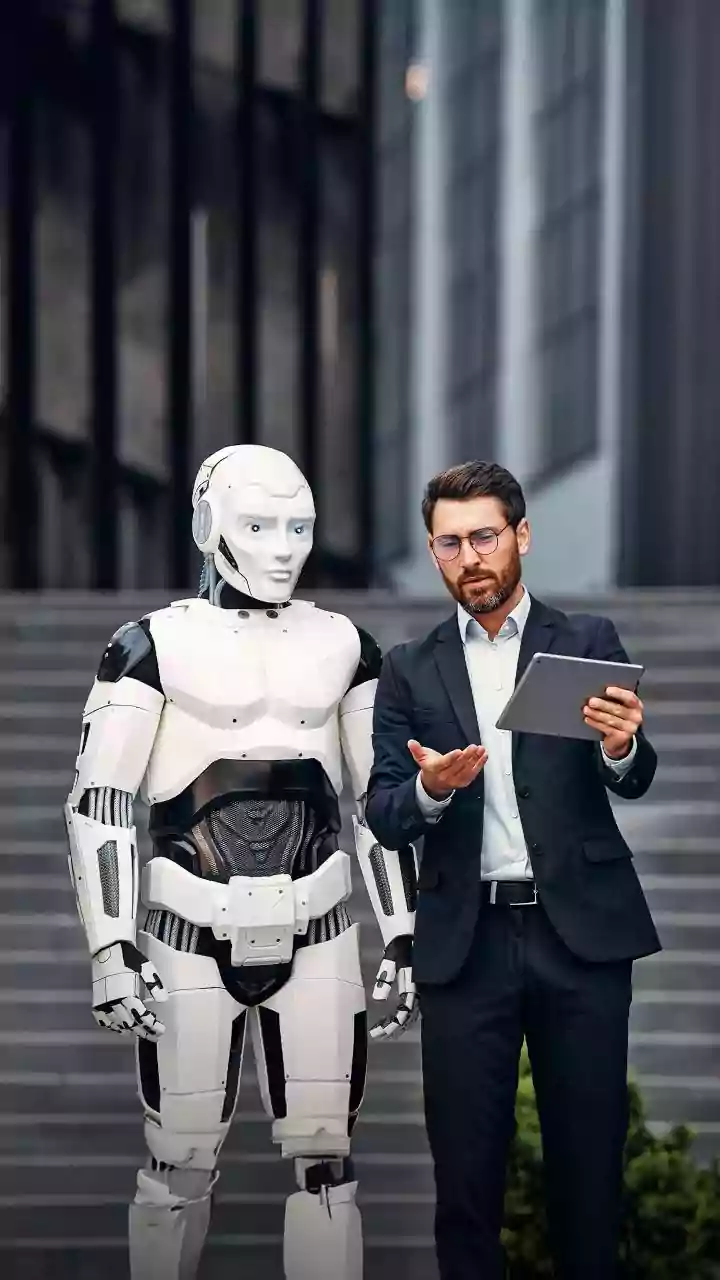
Artificial intelligence is rapidly overhauling traditional hiring methods, offering powerful tools to expedite the recruitment lifecycle and improve the precision
of candidate selection. From sifting through resumes automatically to conducting preliminary interviews, AI-driven technologies are becoming integral to modern human resources. A key advantage of AI in this domain is its remarkable capacity to process immense volumes of data swiftly and accurately. AI algorithms excel at analyzing resumes, cover letters, and online professional profiles to pinpoint individuals whose qualifications closely align with job specifications, thereby saving recruiters substantial amounts of time. This not only accelerates the initial screening stages but also contributes to mitigating unconscious biases by emphasizing objective metrics over subjective impressions. Furthermore, AI-powered chatbots are significantly enhancing the candidate experience. These automated assistants can readily address common inquiries, efficiently arrange interview schedules, and furnish application status updates, ensuring candidates receive prompt and consistent communication. This operational efficiency liberates HR professionals to concentrate on more strategic initiatives, such as cultivating relationships with top-tier talent and strengthening the company's employer brand.
The predictive power of AI is also being harnessed to forecast candidate success. By scrutinizing historical data pertaining to employee performance and individual characteristics, AI models can discern specific traits and skills that are predictive of success in a given role. This predictive capability empowers organizations to make more informed hiring decisions, consequently reducing employee turnover and boosting overall workforce productivity. Nonetheless, the incorporation of AI in hiring necessitates careful consideration of ethical implications, with paramount importance placed on ensuring fairness, transparency, and the robust protection of data privacy. Organizations must remain diligent in monitoring AI systems for any inherent biases and must ensure their deployment is both responsible and ethical. The human element remains indispensable in the hiring process, with AI serving as a potent instrument to augment, rather than supplant, human judgment. As AI continues its trajectory of evolution, its role in hiring is poised for further expansion, promising more personalized and efficient recruitment experiences for both employers and candidates. The trajectory of future hiring is undeniably intertwined with the ongoing advancements in artificial intelligence.
The Rise of Synthetic Candidates
As artificial intelligence gains sophistication, the very notion of workplace identity is being challenged, posing a disquieting question for employers. The hiring process, once a straightforward assessment of human capability, is becoming a new frontier for sophisticated deception. Imagine a job interview where a candidate appears on screen, articulate and prepared, with a seemingly impeccable resume. However, a concerning possibility looms: the person on the other side of the screen might not be real. This scenario, warned about by global credit bureau Experian, is the 'future of hiring' that is already taking shape. Their 2026 fraud outlook highlights a disruptive threat where AI doesn't just assist job seekers but fabricates them entirely. From custom-tailored resumes to real-time deepfake video interviews, the hiring process itself is now a prime target for advanced impersonation. For HR teams, this necessitates a fundamental shift: hiring is no longer solely about identifying the best fit, but also about rigorously proving the candidate's existence. In a world where reality can be convincingly simulated, distinguishing between the genuine and the artificial is becoming increasingly arduous. Traditional interviews are evolving from 'getting to know you' sessions into the most vulnerable points of a corporate perimeter, as projected by Gartner, with 25% of job candidates expected to be entirely synthetic by 2028, powered by Generative AI. By the close of 2024, a staggering 17% of hiring managers had already encountered deepfake video interviews, a six-fold increase in just one year. This means HR is now defending against AI-synthesized infiltrators who can bypass video calls and gain access to sensitive systems, turning a flawed onboarding process into a significant security breach costing an average of Rs 4,50,000 per incident. This has transformed hiring from a people function into a security-sensitive process.
Verifying Authenticity in Hiring
To combat the growing threat of synthetic candidates, companies must adopt a multi-layered approach to identity verification, moving beyond rudimentary checks. Implementing processes similar to Know Your Customer (KYC) procedures used in financial institutions is crucial. This includes digitally verifying official documents through trusted platforms like DigiLocker, rather than relying on potentially compromised scanned copies. Real-time identity checks during onboarding, such as matching facial biometrics with official identity records, are essential to confirm the candidate's physical presence. It's vital to understand the distinction between 'access' to a document and 'authenticity' of the person. While a scanned ID might grant access, verified digital identity confirms the individual's reality. Simple yet effective measures like reverse image searches on profile photos can expose reused, stock, or AI-generated images used in fake identities. Profiles that appear 'too perfect,' with highly polished resumes and images, should be flagged as potential indicators of synthetic or AI-generated candidates. Auditing digital footprints by cross-referencing professional claims with online presence and activity history helps validate a candidate's background. Timeline inconsistencies, such as profiles claiming years of experience but created recently, warrant deeper scrutiny. Prioritizing quick verification steps, even those taking only a few seconds, can prevent long-term security and hiring risks. Authentic professional journeys often exhibit imperfections, including varied activity and connections, whereas fabricated profiles tend to be overly curated. This contextual validation is increasingly critical for identifying synthetic identities or coordinated fake networks. During interviews, unscripted, real-time interactions are key; deepfakes struggle with spontaneity. Simple spontaneous tasks, like showing an ID or writing on camera, can reveal inconsistencies. Subtle signs such as lip-sync lag, odd lighting, or blurred edges might indicate manipulation, requiring no advanced tools, just unpredictability.
Implementing Zero-Trust Onboarding
Addressing the escalating threat of hiring fraud necessitates a fundamental shift towards a Zero-Trust onboarding model, moving beyond the initial interview. This approach demands incorporating hardware-backed biometrics, robust liveness verification, and independent validation of all credentials to mitigate risks. HR must leverage secure hiring platforms that are equipped to detect fraud, validate device integrity, and flag suspicious activities like avatars or overlays, rather than relying on standard video conferencing tools that lack inherent safeguards for authenticity checks. A critical strategy involves shifting to source-based verification, where credentials are confirmed directly through authoritative systems, such as educational verification via the National Academic Depository or employment records via EPFO, rather than depending on candidate-submitted documents. Following the principle 'Trust the source, not the screenshot,' organizations should utilize official databases for identity verification through Aadhaar-based e-KYC. For critical roles, including at least one in-person interview can provide a strong layer of verification. Furthermore, testing real skills in real time through unscripted tasks like live problem-solving or spontaneous explanations is essential to assess genuine capability. The Zero-Trust onboarding approach begins with limited access, progressively expanding permissions based on observed behavior. Companies must also prepare for large-scale AI fraud, as automated systems may soon be capable of passing screenings for jobs at scale using deepfake identities. Understanding systemic threats is crucial, as fake hires in critical sectors could compromise supply chains, IT systems, and essential infrastructure. LinkedIn, for instance, prioritizes authenticity by enabling members to verify key aspects of their professional identity using government IDs or work emails, with over 100 million members globally verified. They proactively detect and prevent harmful activity, stopping over 99% of fake accounts before they can cause harm, highlighting the growing importance of credibility in professional interactions. This evolution redefines HR as a frontline of cybersecurity, demanding close collaboration with IT and security teams, making identity verification, fraud detection, and continuous monitoring standard hiring practices. In an AI-driven world, securing an organization begins with rethinking the hiring process itself.