








Trump's Initial Statement
The origin of this shift lies in statements from former President Trump. The precise nature of these statements, or the context in which they were delivered,
are unknown. Regardless, the statements appear to have influenced Microsoft’s decision-making process. The pronouncements acted as a catalyst, prompting the tech giant to scrutinize its operations. This focus underscores the potential influence public figures can exert on large corporations and their strategic decisions.
Microsoft's Response Emerge
Microsoft's response to the situation has been to reassess its strategies concerning data centers. Details about the exact changes remain opaque, but the core objective is to decrease energy-related expenses. The company is expected to explore innovative techniques and improvements to increase efficiency and decrease costs. The change might involve technology upgrades, shifting data center locations, or re-negotiating power supply agreements. The precise course of action is still evolving and dependent upon various operational and economic considerations.
Data Centers' Energy Demands
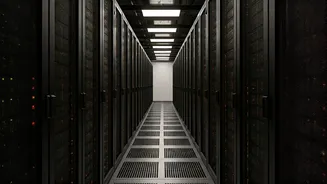
Data centers, the physical foundations of cloud services and digital infrastructure, consume massive amounts of energy. The continuous operation of servers, cooling systems, and networking equipment adds up to considerable energy consumption. This energy demand can be costly, and the expenses have the potential to fluctuate depending on energy prices and geographical locations. Addressing these costs is crucial for companies like Microsoft that are reliant on extensive data center networks. This emphasis highlights the connection between energy efficiency and fiscal sustainability within the tech industry.
Impacts on Americans
The anticipated modifications by Microsoft are projected to have economic impacts on Americans. While the precise effects are not yet clear, the intention is to cut down on costs that could be transferred to consumers in the form of elevated prices for services or goods. Lowering these operational expenses could lead to more affordable services and products. The benefits might be most immediately felt by people who depend on Microsoft's services. This shift demonstrates the interconnectedness of business practices and their influence on the public's financial well-being.
Wider Economic Context
This development also plays a part in a bigger economic narrative. The data center sector's energy efficiency has become an increasingly important area, particularly given rising energy costs and concerns about environmental sustainability. Microsoft's actions resonate with trends in the technology sector, including a growing emphasis on renewable energy sources and energy-efficient technologies. Furthermore, governmental policies and public discourse around climate change and energy independence could also be having an impact. The situation underlines the complexity of the interplay between corporate strategies, government regulations, and environmental consciousness.
Future Outlook and Implications
The changes Microsoft is planning suggest a possible future direction for the industry. It remains to be seen how successful these strategies will be in lowering the costs while maintaining high performance. Other tech companies are probably watching and might adopt similar strategies, which could start a trend towards greater energy efficiency within the tech industry. This case also highlights the increasing significance of public commentary and leadership in encouraging corporate accountability and the adoption of more responsible business practices. The long-term implications range from economic stability to environmental sustainability.