




Garlic's Heart Benefits
Garlic supplements are frequently lauded for their potential to improve cardiovascular health, a claim that resonates widely. Evidence suggests these supplements may
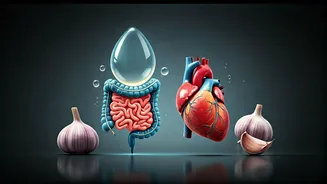
contribute to a modest reduction in LDL, or 'bad,' cholesterol, and can also exert a slight influence on blood pressure levels. While these effects can be beneficial for the heart, experts caution that the impact is generally not dramatic and can differ significantly from one person to another. Scientific reviews, including a notable 2013 meta-analysis, have indicated that a substantial majority of clinical trials observed significant, albeit modest, reductions in total cholesterol and LDL cholesterol, typically in the range of 6% to 9%. However, this effect is considered temporary, with cholesterol levels often reverting to their previous state once supplementation ceases. Therefore, garlic supplements are best viewed as a supportive measure for maintaining cholesterol and blood pressure within a normal range, rather than a standalone solution for serious cardiovascular conditions. Their effectiveness is often amplified when integrated into a broader lifestyle of healthy eating and regular exercise.
Gut Health Connection
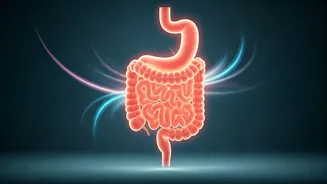
Beyond cardiovascular benefits, garlic's potential impact on gut health is also a topic of interest. Garlic naturally contains prebiotic compounds, which are substances that can nourish and promote the growth of beneficial bacteria within the digestive system. This can theoretically contribute to a healthier gut microbiome. However, when consumed in supplement form, garlic can sometimes have the opposite effect. Some individuals, particularly those with sensitive stomachs, may experience digestive irritation instead of the intended gut support. Therefore, while garlic in its natural food form may aid gut bacteria, its concentrated supplement form is not typically recommended as a primary treatment for established digestive disorders. Its role in gut health appears to be more supportive and dependent on individual tolerance.
Choosing the Right Form
The market offers a variety of garlic supplement formats, including powders, oils, extracts, and tablets, making it challenging to determine which is most effective. Research suggests that certain garlic powder formulations have demonstrated consistency in their cholesterol-lowering effects. Furthermore, studies investigating allicin bioavailability have indicated that supplements can deliver sustained levels of this active compound into the bloodstream compared to fresh garlic, which might produce a quick but fleeting spike. Non-enteric-coated tablets have also shown promise in maintaining allicin levels for extended periods. Despite these observations, there isn't a universally agreed-upon standard for ideal dosage, though many cholesterol-focused studies have utilized daily amounts ranging from 500 mg to 1,000 mg.
When to Consider Supplements
The decision to incorporate garlic supplements into your daily routine is not a universal necessity. Individuals who regularly consume garlic as part of their diet are unlikely to experience significant added advantages from supplementation. Garlic supplements might be considered in specific scenarios, such as managing mild elevations in cholesterol or blood pressure, but this should always be done in consultation with a healthcare professional. Experts consistently emphasize that lifestyle modifications, including a balanced diet and regular physical activity, should be the primary focus for overall health management, including weight control and body composition changes. Natural products do not always equate to harmlessness, and supplements should ideally be taken only when deemed essential by a doctor for specific health needs. Ultimately, garlic supplements are generally viewed as optional additions rather than essential components of a healthy lifestyle.
Potential Side Effects
While generally regarded as safe, garlic supplements are not entirely without risks and can lead to various side effects. Common complaints include digestive discomfort such as acidity, bloating, nausea, heartburn, and gas. Additionally, the characteristic strong breath and body odor associated with garlic can persist. More significantly, garlic possesses mild blood-thinning properties, which can increase the risk of bleeding, particularly for individuals already on anticoagulant medications like warfarin, certain HIV drugs, cyclosporine, isoniazid, or nonsteroidal anti-inflammatory drugs (NSAIDs). Patients scheduled for surgery, including dental procedures, are advised to discontinue garlic supplements under medical supervision prior to their operation. High doses can also potentially disrupt exercise routines due to digestive distress, underscoring the importance of moderation and professional guidance.