





Fuel Switch Impacts
A widespread shortage of commercial LPG cylinders has compelled a significant portion of Tamil Nadu's hotel sector to revert to traditional cooking methods,
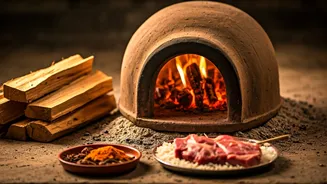
primarily utilizing firewood. This pivot, necessitated by the ongoing supply disruptions linked to geopolitical events in West Asia, is not without its considerable costs. The Tamil Nadu Hotels Association has highlighted that this change affects not only the main dishes but also the accompaniments, with many hotels now preparing these items over firewood as well. While this ensures availability of a wider range of dishes, the increased expense of firewood, which has seen a substantial price jump, is directly contributing to higher food prices. Consequently, many establishments have had to discontinue serving deep-fried items altogether to manage costs and operational challenges posed by the fuel switch.
Biryani's Rising Cost
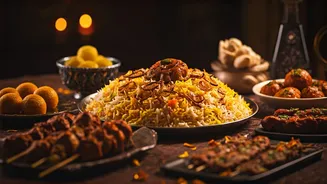
The festive spirit of Ramzan has been dampened for many by the escalating price of Biryani, a dish that usually forms the centerpiece of celebrations. The migration to firewood for cooking, while reminiscent of traditional methods that impart a distinct flavour, has significantly increased preparation costs. For years, LPG stoves became the norm for convenience and consistency, with firewood reserved for large-scale events like weddings. However, the current LPG crisis has forced hotels back to this older method on a larger scale. As the price of firewood has surged dramatically, so too has the cost of biryani. Some hotels are optimizing this shift by centralizing their biryani preparation in dedicated kitchens to save on time, expense, and firewood, distributing the cooked meals to their various branches for sale.
Consumer Adjustments
The repercussions of the LPG shortage are deeply felt by consumers, especially during the important Ramzan festival. Traditionally, families would gather in larger groups of 7-10 people to share meals. However, this year, many families are opting for smaller gatherings of just two or three people. This shift is partly due to the increased cost and reduced availability of dishes like biryani, prompting some households to prepare smaller quantities at home. The general decline in hotel business, estimated at 30% in Chennai alone and 10% across the rest of Tamil Nadu, further underscores the economic impact. Adding to the reduced footfall in eateries are the ongoing public examinations, which have historically led to fewer people dining out.
Future Price Outlook
Industry insiders are forecasting a sustained period of elevated food prices, even beyond the current festive season. The dual challenges of escalating firewood costs and the persistent scarcity of commercial LPG cylinders suggest that the current price hikes are likely to persist. Some larger restaurant chains are exploring alternative cooking methods, such as induction stoves, and are also incorporating firewood usage in parallel. This adaptability, however, does not negate the overall trend of increasing operational expenses. The impact is already visible in menu adjustments, with some establishments curtailing the availability of certain items like dosas during specific hours, while relying on microwaves for reheating other staples like chapatis and parottas to manage energy consumption and costs.