






Thakur's Multi-Faceted Routine
Actress Mrunal Thakur, at 33, has revealed her current fitness strategy, emphasizing a dynamic mix of activities. Her week typically involves two sessions
of Pilates, focusing on core strength and flexibility. Alongside this, she incorporates strength training, which is crucial for building and maintaining muscle mass. Complementing these structured workouts, Thakur dedicates two days to playing tennis with her father, adding a cardiovascular and coordination element to her regimen. This diversified approach ensures a comprehensive engagement of various physiological systems, moving beyond a singular focus on one type of exercise and promoting a well-rounded state of physical fitness. The integration of these distinct activities aims to enhance both performance and overall health, creating a sustainable path to well-being.
Pilates: The Core Foundation
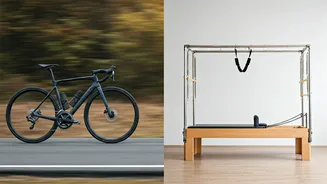
Pilates forms a cornerstone of Mrunal Thakur's routine, practiced twice weekly. This discipline is instrumental in fortifying the body's intrinsic stabilising muscles, particularly those surrounding the core and spine. By engaging these deep muscles, Pilates enhances posture, refines neuromuscular coordination, and significantly reduces the likelihood of injuries during more demanding physical activities. It also promotes improved movement efficiency, meaning that when Thakur engages in strength training or plays sports like tennis, her body is better aligned, allowing for safer and more effective force generation. This foundational work in Pilates prepares the body for the varied stresses of other exercises, ensuring a more robust and injury-resistant physique, and contributing to better body awareness.
Strength Training's Vital Role
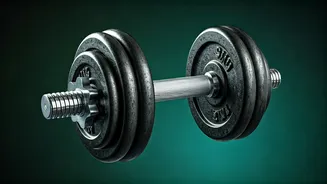
The inclusion of strength training in Mrunal Thakur's regimen is paramount for preserving and increasing lean muscle mass. Beyond aesthetic benefits, muscle plays a critical role in metabolic health, assisting in glucose regulation and ensuring long-term functional independence as one ages. Consistent resistance training stimulates the body's protein synthesis processes, which are essential for muscle repair and growth. Furthermore, it contributes to maintaining bone density, a key factor in preventing osteoporosis, and helps counteract the natural decline in muscle mass that occurs with age. When combined with proper nutrition, strength training stands out as one of the most effective interventions for safeguarding overall health and vitality, supporting a resilient and capable body.
Tennis: Dynamic Engagement
Tennis introduces a dynamic and responsive element that is often absent in more regimented workout formats, making it a valuable addition to Mrunal Thakur's fitness plan. This sport vigorously challenges cardiovascular endurance, sharpens agility, quickens reflexes, and enhances overall coordination. It engages a wide array of muscle groups in a fluid and often unpredictable sequence of movements. This inherent variability not only boosts neuromuscular adaptability, allowing the body to react and adjust more effectively to different stimuli, but also keeps the training stimulus fresh and engaging. The diverse nature of tennis ensures that the body is consistently challenged in new ways, which is beneficial for both athletic performance and sustained interest in physical activity.
Balanced Integration for Recovery
The strategic spread of these diverse activities throughout the week is what truly amplifies the effectiveness of Mrunal Thakur's fitness approach. By alternating between the controlled, precise movements of Pilates, the progressive challenges of strength training, and the high-energy demands of tennis, her body experiences both adequate stimulus and crucial recovery periods. This thoughtful distribution significantly mitigates the risk of overuse injuries, a common concern in repetitive training regimens, while simultaneously ensuring that her body remains consistently active and responsive. This balanced integration allows for a sustainable fitness journey, promoting long-term health without burnout or excessive physical strain, fostering overall well-being.
Adapting the Model
From a practical standpoint, the fitness model employed by Mrunal Thakur is highly adaptable for most individuals, though it necessitates scaling to align with personal fitness levels, existing medical conditions, and individual recovery capacities. For those new to exercise, initiating with foundational strength exercises, basic mobility drills, and low-impact activities like walking or light sports is a sensible starting point. The core principle remains consistent: a synergistic combination of strength, mobility, and enjoyable physical activity fosters a more comprehensive and enduring approach to fitness than concentrating on a single exercise modality. This flexible framework ensures that individuals can cultivate a healthy lifestyle tailored to their unique circumstances and goals.