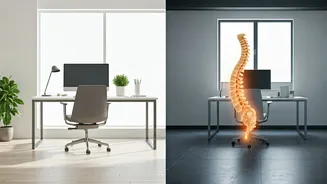







Why Study Chair Matters
The chair you use for studying is far more significant than simply a place to sit; it profoundly impacts your physical well-being and your ability to concentrate.
Many opt for standard dining chairs or basic seating, which may suffice for brief periods but fail to provide the essential spinal alignment needed for extended periods. Incorrect posture, characterized by drooping shoulders and a hunched back, can lead to immediate discomfort and, over time, chronic physical issues. Conversely, a well-chosen study chair actively promotes an upright stance, keeps your body relaxed, and sustains your focus without the distraction of constant repositioning. Whether for a student's homework station or a professional's home office, investing in a supportive chair is paramount for sustained productivity and physical health.
Ergonomics: Your Body's Best Friend
Prioritizing ergonomic design in your study chair is key to sustained comfort and well-being. Ergonomic chairs are meticulously engineered to conform to your body's natural contours, significantly reducing undue stress on your neck, shoulders, and back. A critical feature to look for is a backrest with a gentle curve, specifically designed to cradle and support the lumbar region of your spine. This subtle contouring makes a remarkable difference during prolonged sitting periods, preventing aches and fatigue. The essence of a truly ergonomic chair for study is its ability to feel comfortable and supportive even after hours of continuous use, allowing you to remain engaged in your tasks without physical discomfort.
Finding the Right Height
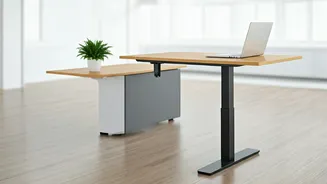
The height of your study chair plays a more critical role in comfort and posture than many people acknowledge. An overly high chair will leave your feet dangling unsupported, while one that's too low will cause your knees to elevate above your hips. Both scenarios lead to discomfort and can strain your body. The ideal setup ensures your feet rest flat on the floor, with your knees and hips aligned at approximately the same level. Furthermore, your elbows should be able to rest comfortably on your study table surface, forming a ninety-degree angle. Chairs equipped with height adjustment mechanisms offer the greatest flexibility in achieving this optimal configuration, making it easy to fine-tune your seating position.
Unwavering Back Support
While aesthetically pleasing, a simple, flat chair often falls short when it comes to providing the necessary back support. This deficiency can inevitably lead to slouching and the associated discomfort. It is imperative to select a chair that offers distinct lumbar support, effectively hugging the natural 'S' curve of your spine. This targeted support is vital for maintaining correct posture, preventing you from leaning excessively towards your desk and reducing strain. A chair that prioritizes back support ensures your spine remains aligned and your body is adequately protected throughout your study or work sessions, significantly improving overall comfort.
Seat Material Matters
The material composition of your study chair directly influences your comfort level over extended periods. Seats that are too hard can quickly become painful, whereas overly soft cushions might lack the stability required for proper support. Mesh upholstery stands out as an excellent choice for ventilation, particularly beneficial in warmer climates or stuffy rooms, as it promotes airflow and keeps you cool. Fabric options offer a more traditional and cozy feel. The ideal material strikes a balance, providing a plush sensation while ensuring your body remains firmly supported and correctly positioned, contributing to a more pleasant sitting experience.
Seat Dimensions: Depth and Width
Beyond aesthetic appeal, the correct dimensions of a study chair are fundamental to its comfort. Seat depth is an often-overlooked but crucial factor. When seated, there should be a small, comfortable gap—typically two to four fingers' width—between the edge of the seat and the back of your knees. This ensures your thighs are fully supported without undue pressure. A seat that is excessively deep can restrict your leg movement and circulation, while one that is too shallow fails to provide adequate support for your legs. Ensuring the seat width is also appropriate for your body size contributes to a feeling of secure and comfortable seating.
Balancing Mobility and Stability
The utility of a study chair is often enhanced by a thoughtful balance between mobility and stability. If your study area necessitates movement, a chair equipped with casters (wheels) can be incredibly practical, allowing you to glide across your workspace without the need to stand up repeatedly. The addition of a swivel feature further increases operational flexibility. Nevertheless, stability remains a non-negotiable safety feature. The chair must feel robust and securely balanced on its base to prevent any risk of tipping, ensuring a safe and dependable seating experience during all your activities.
Usage Dictates Choice
Your daily routine and the duration you typically spend at your study table should significantly influence your chair selection. For individuals who only engage in short study sessions, a simpler chair might suffice. However, for regular, consistent use, a mesh chair offers superior comfort and breathability, keeping you more comfortable over time. When study or work commitments demand long hours, investing in a fully ergonomic chair becomes essential. These chairs are specifically designed to provide optimal support and adjustability, making them the best choice for prolonged periods of sitting and preventing long-term discomfort or strain.
Exploring Chair Types
Different types of chairs cater to varying needs and budgets for your study table. Plastic chairs are an economical and easily maintained option, notable for their lightweight nature and simplicity; however, they are generally unsuitable for extended use due to their lack of adequate ergonomic support. Mesh chairs offer an excellent compromise, providing notable breathability and comfort, making them ideal for regular use and keeping you cool. For those dedicating substantial hours to studying, ergonomic chairs stand out as the premier choice. Equipped with adjustable features, robust lumbar support, and superior cushioning, they represent a worthwhile investment for long-term health and unparalleled comfort.