
Embrace Eco-Consciousness
Sustainability will continue to be a dominant force in 2026. This trend includes a focus on eco-friendly materials, reducing waste, and incorporating practices
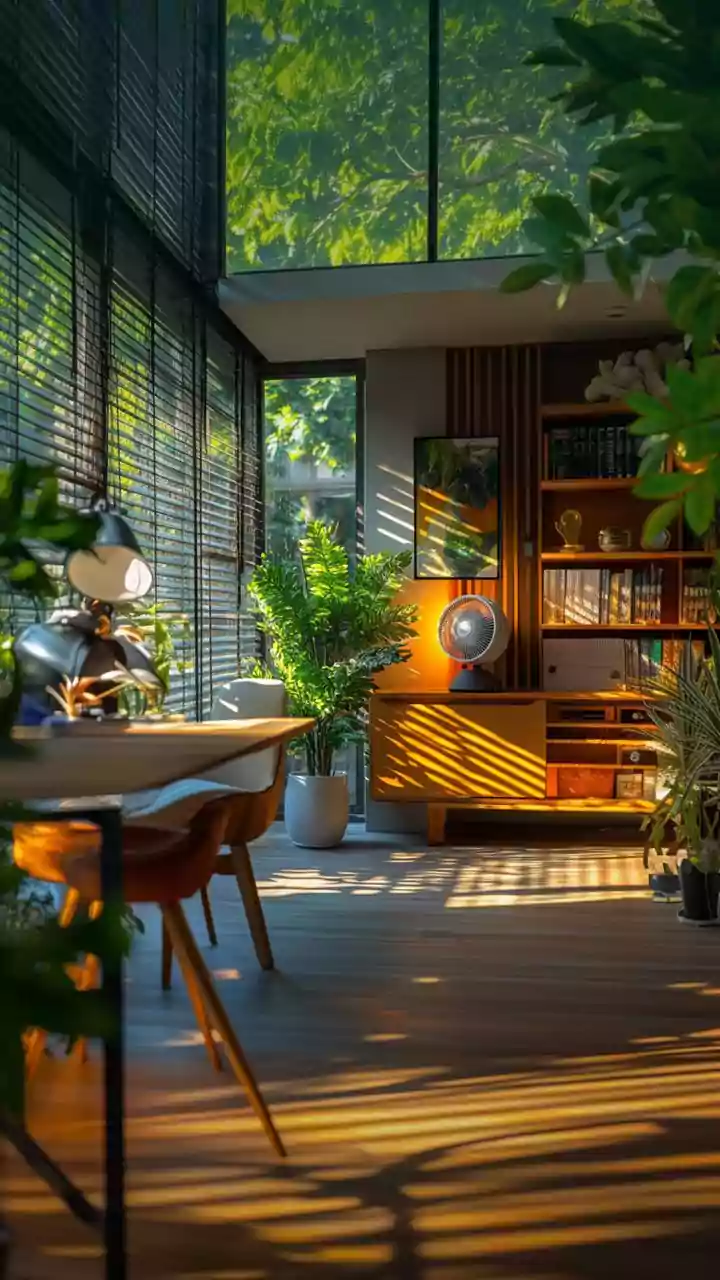
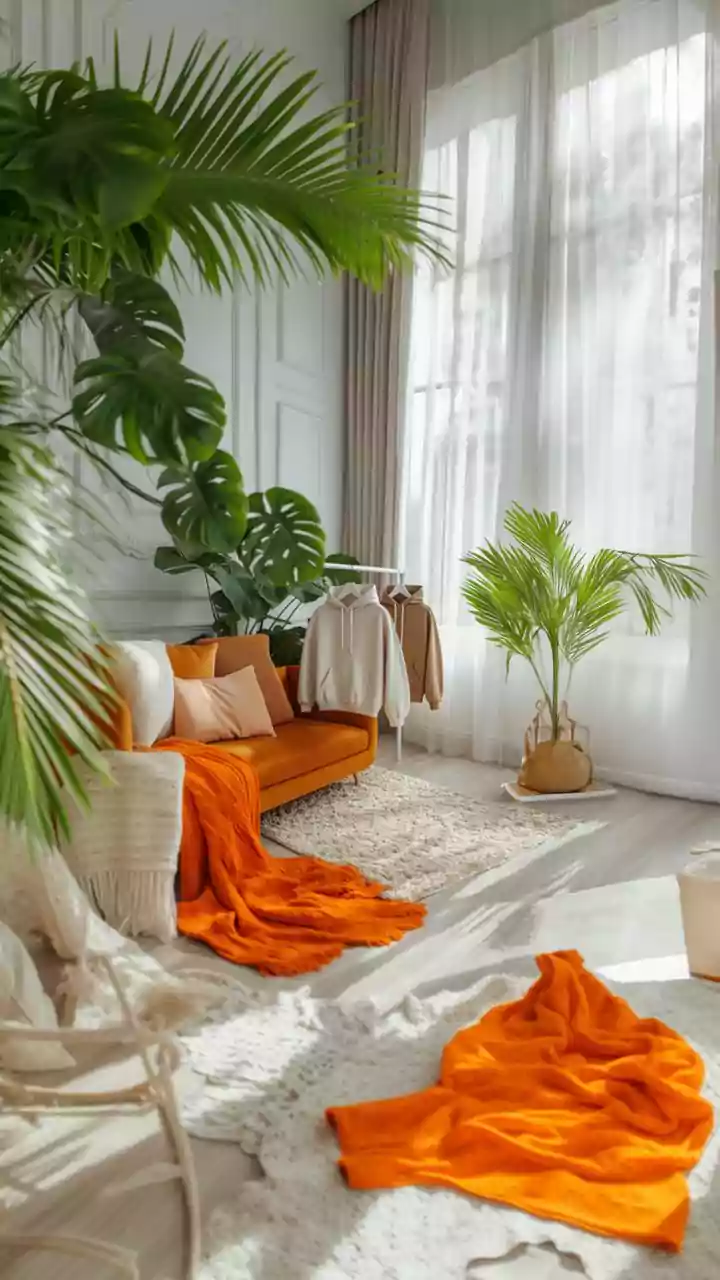
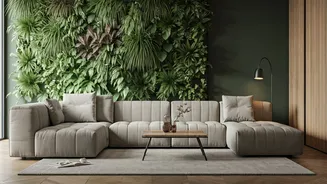
that minimize environmental impact. Homeowners are increasingly choosing furnishings made from recycled or sustainably sourced materials, such as reclaimed wood, bamboo, and organic textiles. The use of energy-efficient appliances and smart home technology that optimizes resource use will also be widespread. Furthermore, incorporating biophilic design—bringing nature indoors through plants, natural light, and organic forms—will enhance well-being and create a harmonious living environment. Implementing these elements not only contributes to a greener lifestyle but also adds a sense of tranquility and connection to nature within the home.
Optimize Living Spaces
With a shift towards smaller living areas in urban environments, optimizing space becomes critical. Flexible and ergonomic designs are rising in popularity. This involves multi-functional furniture, such as sofa beds, storage ottomans, and extendable tables, to maximize space utilization. Designing adaptable spaces that can quickly transform from work zones to relaxation areas is also a key aspect. Moreover, smart storage solutions, including built-in shelving and hidden compartments, play a crucial role in maintaining a clutter-free and organized home. Smart home technology integration allows for the seamless control of lighting, climate, and security, making homes more efficient and adaptable to individual needs. The focus is on creating homes that are both functional and visually appealing, adapting to the dynamic needs of modern living.
Smart Water Management
Smart water management systems are becoming an integral part of home decor, driven by the desire for efficiency and sustainability. These systems are designed to monitor and regulate water usage intelligently, helping to conserve water resources and reduce utility bills. Smart showerheads, faucets, and irrigation systems are examples of this technology, using sensors and automation to optimize water flow. Furthermore, leak detection systems are growing in popularity, alerting homeowners to potential issues before they escalate. Rainwater harvesting systems, which collect and reuse rainwater for gardening and other non-potable uses, are also part of this trend. The integration of smart water management not only promotes environmental responsibility but also contributes to the longevity and value of the home by mitigating water-related damages.
Bathroom Makeovers: Stylish
Bathrooms will see an emphasis on both style and functionality in 2026. This includes elevated decor choices with luxurious accents and design elements. Accessories are pivotal in this transformation, with items such as stylish soap dispensers replacing traditional soap dishes for a cleaner, more contemporary look. The choice of materials like natural stone, glass, and high-quality tiles will boost visual appeal. Furthermore, the integration of smart bathroom technologies, such as voice-controlled lighting, heated floors, and digital faucets, will offer convenience and enhance the overall experience. The aim is to create bathrooms that are not just functional spaces but also relaxing and aesthetically pleasing retreats within the home. Personalisation through carefully chosen accessories and design elements will be crucial to reflect individual styles and preferences.
Cozy Up With Cluttercore
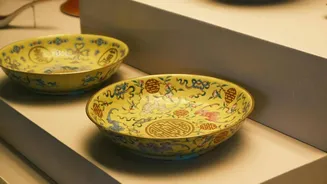
Cluttercore, a design trend that celebrates a lived-in, cozy aesthetic, is set to gain prominence. This style embraces the display of personal belongings and collections to create a warm and inviting atmosphere. It involves layering textures, patterns, and colours to achieve a sense of comfort and character. Antique furniture, vintage finds, and handmade items are often incorporated to add personality and uniqueness. This trend encourages a departure from minimalist design, promoting a space that tells a story and reflects the homeowner's personality. The goal is to cultivate a home environment that feels welcoming and showcases individual style through thoughtful curation of items, creating a sense of intimacy and comfort that makes the space feel truly lived in.
No-Decor: Simplicity Reigns
The 'no-decor' style represents a minimalist approach, embracing simplicity and functionality. This trend involves reducing clutter and focusing on clean lines and essential items. The aim is to create a serene and uncluttered environment where the focus is on the architecture and the quality of the space itself. Neutral colour palettes, natural materials, and ample natural light are hallmarks of this style. The idea is to promote a calm and peaceful atmosphere through intentional design choices. The core value is on reducing visual noise, which fosters a sense of openness and tranquility. In a world of increasing complexity, this design approach provides a sanctuary for those who appreciate understated elegance and appreciate the beauty of simplicity in their home environment.