






Understanding Winter Cough
In Ayurveda, persistent coughs during winter are often linked to an imbalance of Kapha and Vata doshas, exacerbated by the cold, dry air, pollution, and reduced
digestive fire. This disruption can lead to increased mucus production and irritation in the respiratory tract. When the body's natural digestive strength, known as Agni, weakens, toxins called Ama can accumulate, further contributing to phlegm and coughing. Certain dietary choices, like heavy, oily foods and dairy products, can aggravate Kapha, intensifying congestion and respiratory discomfort. Addressing these imbalances through targeted natural approaches is key to finding relief without solely relying on conventional medications.
Herbal Allies for Relief
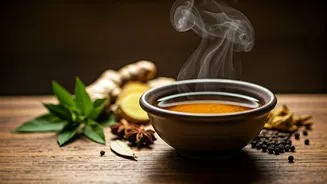
Ayurveda offers a rich pharmacopeia of herbs with remarkable properties to combat winter coughs. Ginger, a potent anti-inflammatory, is widely used in warm teas and decoctions with honey to clear chest congestion. Tulsi, or Holy Basil, acts as a natural expectorant, aiding in the expulsion of mucus and soothing an irritated throat. Mulethi, or liquorice, is renowned for its ability to alleviate sore throats and liquefy thick mucus. Warming spices like cinnamon and turmeric, known for their antibacterial and anti-inflammatory benefits, form the base of the popular 'golden milk' (turmeric milk). Additionally, black pepper and cloves offer warmth, assisting in mucus clearance and throat soothing. These powerful botanicals can be incorporated into daily routines as warm teas, kadhas (herbal decoctions), or simply mixed with honey for instant relief.
Dietary and Daily Practices
To support lung and digestive health during winter, Ayurveda emphasizes consuming warm, easily digestible foods. Opt for meals like steamed vegetables, comforting khichdi, and nourishing soups that bolster immunity and calm inflamed tissues. Conversely, avoiding cold foods, heavy dairy, and excessively spicy dishes helps prevent Kapha accumulation. Staying hydrated is crucial; regularly sipping warm water aids in thinning mucus and keeping throat membranes moist. Incorporating steam inhalation, optionally infused with eucalyptus, peppermint, or ajwain, can significantly clear airways and reduce respiratory irritation, offering a direct path to comfort and easier breathing.
Breathing and Lifestyle
Enhancing lung capacity and cleansing the respiratory passages can be achieved through specific yoga breathing techniques like Pranayama, Kapalabhati, and Anuloma Vilom. These practices are foundational in Ayurvedic respiratory care. Furthermore, Ayurvedic formulations like Chyawanprash, a potent blend of herbs such as Amla, Giloy, and cinnamon, are traditionally used to boost immunity, energy, and overall well-being, making them beneficial during winter. Practical lifestyle adjustments also play a vital role: wearing protective masks outdoors, keeping the neck warm in cold weather, and using humidifiers at home can mitigate cough triggers. Inhaling steam infused with Ayurvedic herbal oils containing peppermint, camphor, and ajwain offers a direct therapeutic pathway for respiratory health.