





A Devastating Loss
In a heartbreaking turn of events in Ahmedabad, a family's meal turned fatal when two young girls succumbed to suspected food poisoning after eating dosa.
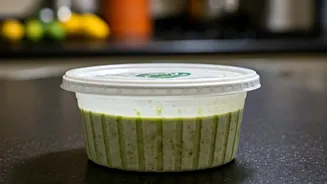
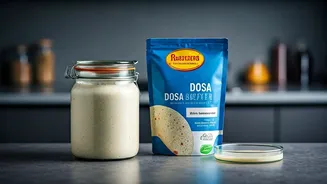
The incident, which involved store-bought fermented batter, highlights a grave risk often overlooked in modern kitchens. The family had purchased a ready-to-use batter, known locally as 'khiru,' from a market vendor for preparing their meal. Shortly after consumption, the entire family experienced severe vomiting, a grim indicator of foodborne illness. Despite prompt medical attention, the condition of the youngest child, a 3-month-old infant, deteriorated, leading to her passing on April 3rd. Sadly, her 4-year-old sister also succumbed to the illness shortly thereafter. The parents were admitted to the hospital and are currently under medical care, grappling with unimaginable grief and the consequences of a seemingly ordinary meal. Authorities have since collected samples of the batter from the vendor for thorough testing by the Food and Security Laboratory (FSL) to ascertain the exact cause of this tragic outcome.
Understanding Khiru's Role
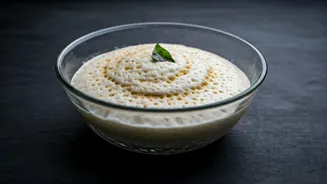
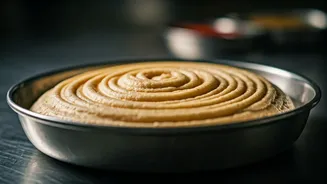
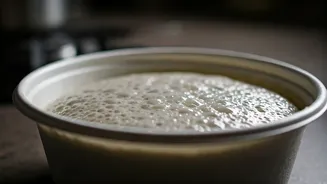
Khiru, a staple in Gujarati cuisine, is a fermented batter primarily used for creating beloved South Indian dishes like dosa, idli, and uttapam, along with the local delicacy 'handvo.' Traditionally, this batter is meticulously prepared by combining rice and skinless urad dal. The critical step that imparts its characteristic texture and flavor is fermentation, typically allowed to proceed for 4 to 5 hours or even overnight. This controlled fermentation process is responsible for developing a light, airy consistency, which is essential for achieving the perfect fluffy texture in the final dishes. The health benefits often attributed to fermented foods stem from the natural probiotics produced during this process, which can be beneficial for gut health. However, as tragically demonstrated, this complex biological process, when compromised, can transform a nutritious ingredient into a dangerous one.
Risks of Store-Bought Batter
Experts strongly advise caution, particularly during warmer months, when handling or consuming food prepared with store-bought fermented batters. These batters, often displayed uncovered and potentially exposed to unhygienic conditions, present a heightened risk of contamination. Several factors contribute to this danger. Firstly, inadequate refrigeration can accelerate spoilage, creating an environment ripe for harmful bacteria that can lead to severe stomach infections or food poisoning. Secondly, over-fermentation, especially in heat, can make the batter excessively sour, causing digestive discomfort like acidity and bloating. Thirdly, commercially prepared batters may contain added preservatives or stabilizers, the long-term effects of which on gut health are not always fully understood. Furthermore, improper handling, such as using unwashed hands or contaminated utensils during preparation, can introduce bacteria. The quality of ingredients, like unpolished or improperly cleaned dals and rice, used by vendors also plays a significant role. Even the water used in preparing the batter or for cleaning utensils can be a source of bacterial contamination, posing a serious health hazard. Lastly, while whisking is crucial for aeration, incorrect techniques or uncleaned equipment can further compromise the batter's safety and quality, increasing the risk of unwanted bacterial growth and potential health issues.
Homemade Batter Safety
Preparing fermented batter like khiru at home offers greater control over hygiene and ingredients, significantly mitigating risks. Start by thoroughly washing rice and urad dal separately, soaking them for 4-6 hours or overnight. Adding a small amount of poha (flattened rice) and fenugreek seeds to the soaking urad dal can enhance texture and fermentation. Once soaked, grind the urad dal until it's light and fluffy, and grind the rice to a slightly coarse consistency. Combine these in a large bowl, add salt (ideally just before using a portion of the batter, to slow spoilage in warmer weather), and mix well. Cover the bowl and let it ferment in a warm place for 8-12 hours or overnight. Avoid using baking soda, as natural fermentation is preferable and safer. Ensure all utensils and blenders used are impeccably clean to prevent bacterial contamination. Over-fermented batter can become excessively sour, leading to digestive issues, so monitor the fermentation process. By following these steps diligently, you can enjoy the benefits of fermented foods safely, knowing exactly what went into your delicious dosas and idlis.