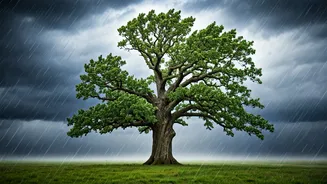

Defining Endurance
Endurance is more than just toughing it out; it encompasses a wide range of human traits. It's the capacity to persevere despite suffering, strain, or difficulties.
It is not limited to physical strength but extends into the mental and emotional spheres. This includes the ability to recover from setbacks, maintain hope, and continue moving forward. Endurance often stems from a combination of inner strength, external support, and a clear understanding of the challenges at hand. Individuals demonstrate endurance through persistence, adaptability, and the willingness to learn and grow from experiences. It's about finding ways to overcome obstacles, whether those are personal struggles, societal issues, or simply the daily demands of life. The core of endurance is a commitment to keep moving forward, no matter how hard things get.
Resilience Building Strategies
Building resilience involves several practical strategies that empower people to face challenges head-on. First, fostering a strong support network is critical. Having friends, family, or community members who offer emotional support and encouragement can make a huge difference in times of trouble. Furthermore, taking care of one's physical and mental health is also important. Regular exercise, a balanced diet, and sufficient sleep provide a solid foundation for coping with stress. Mindfulness techniques, such as meditation and deep breathing exercises, can help manage anxiety and improve focus. Setting realistic goals and breaking down larger tasks into smaller, manageable steps can prevent feeling overwhelmed. Celebrating small victories along the way builds confidence and keeps you motivated. Lastly, practicing self-compassion, accepting that setbacks are a normal part of life, and being kind to yourself can help you bounce back from difficult experiences and cultivate lasting resilience.
The Role of Perspective
Perspective plays a crucial role in enduring life's difficulties. How a person views a situation can greatly impact their ability to cope and persevere. Cultivating a positive outlook, even in the face of adversity, is essential. This doesn't mean ignoring the reality of the situation, but rather focusing on the aspects that can be controlled and finding opportunities for growth. Reframing challenges as opportunities to learn and develop can reduce feelings of helplessness and promote a sense of empowerment. Maintaining a sense of purpose and meaning in life provides a guiding light during dark times. It's about recognizing that hardships are temporary and that they can often lead to greater strength, wisdom, and compassion. Regularly practicing gratitude helps people to notice and appreciate the good things in their lives, thus fostering optimism and resilience. The ability to shift perspective is a powerful tool for enduring and thriving in the face of life's complexities.
Community and Connection
The importance of community and social connections in fostering resilience cannot be overstated. Humans are social beings, and our ability to thrive is deeply intertwined with our relationships with others. Strong social networks provide a safety net during times of hardship, offering emotional support, practical assistance, and a sense of belonging. Sharing experiences, receiving empathy, and knowing that one is not alone can significantly reduce the impact of stress and trauma. Community involvement, whether through volunteering, joining clubs, or participating in local events, promotes a sense of purpose and connection. Collective efforts to address societal issues can also create a sense of solidarity and empowerment, making individuals feel like they are part of something larger than themselves. These social interactions cultivate feelings of trust and safety, which in turn facilitate better coping mechanisms for managing life's challenges. Nurturing these connections enhances the capacity to withstand adversity and foster long-term resilience.
Lessons from History
Examining historical events offers valuable lessons in endurance. Throughout history, communities have faced wars, famines, natural disasters, and countless other hardships. The ability of people to survive and rebuild is a testament to the resilience of the human spirit. Studying these instances reveals common strategies that have contributed to survival. These strategies include strong leadership, community cooperation, and the preservation of culture and values. It demonstrates the importance of adaptability, innovation, and resourcefulness in the face of adversity. By studying historical examples, people gain a deeper understanding of the struggles that others have faced and the coping mechanisms they utilized. The insights gained from these studies help individuals develop a broader perspective and a greater appreciation for the power of persistence and hope in the face of extraordinary challenges. Learning from the past inspires people to build a better future and to approach their own challenges with greater courage and resilience.