

Insulation: The Foundation
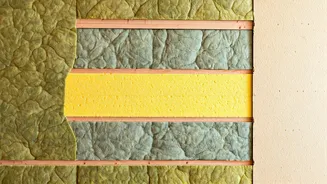
Proper insulation is the cornerstone of a warm home. It functions as a barrier, preventing heat from escaping and cold from entering. Start by assessing
your home's existing insulation. Common areas to focus on include attics, walls, and floors. Check for any gaps, cracks, or areas where insulation may be missing or damaged. For attics, ensure insulation is at the recommended depth for your climate. In walls, consider adding insulation or improving what's already there. Floors, especially those above unheated spaces like basements or crawl spaces, can benefit significantly from insulation. Improving your home's insulation can significantly reduce heat loss in winter.
Seal Air Leaks
Air leaks are major culprits of heat loss. Identify and seal any cracks and gaps that allow cold air to seep in. Begin by inspecting windows and doors. Use weather stripping around doors and caulk around window frames to seal any gaps. Examine the areas where pipes and wires enter the home; seal these openings with caulk or expanding foam. Check for leaks around electrical outlets and switch plates on exterior walls. Consider sealing any cracks in your home's foundation. Sealing these leaks will create a tighter building envelope. This will significantly reduce drafts and conserve energy.
Smart Window Strategies
Windows can significantly impact a home's temperature. Several strategies can help harness the sun's warmth during the day and minimize heat loss at night. During daylight hours, open curtains and blinds on south-facing windows to allow sunlight to enter and warm the space. At night, close curtains and blinds to create an insulating layer that helps prevent heat from escaping. Consider using thermal curtains or blinds, designed with insulating properties to further enhance your window's ability to retain heat. If your budget allows, consider replacing old windows with energy-efficient models. These models are designed to minimize heat transfer.
Harnessing Natural Sunlight
The sun is a natural source of heat that you can leverage. Optimize your home to capture sunlight, especially during winter. Orient your furniture to take advantage of sun exposure. Place seating near windows that receive sunlight during the day. Consider adding skylights or sun tubes to bring natural light and heat into your home. Ensure trees or other obstructions don't block sunlight from reaching your windows. This passive solar heating approach utilizes natural resources to warm your living spaces.
Adjusting the Thermostat
Even without a heater, you can manage your home's temperature. Lowering the thermostat by a few degrees can make a noticeable difference in energy use. When you're not home, turning the thermostat down even further can save energy. Consider using a programmable thermostat that adjusts the temperature automatically based on your schedule. During the winter, setting the thermostat a few degrees cooler at night or when you're away can reduce your heating costs without sacrificing comfort. Even small adjustments can add up to significant energy savings over time.
Optimizing Appliance Use
How you use your appliances can also affect the overall warmth of your home. Some appliances generate heat as they operate. For example, when cooking, the oven can contribute to warming your kitchen. Utilize the heat from the oven after you've finished cooking by leaving the door open for a while (be mindful of safety). Similarly, running the dishwasher or washing machine during cooler parts of the day can help heat the kitchen or laundry room. Regularly maintain your appliances to ensure they run efficiently, preventing wasted energy and heat loss.
Strategic Furniture Placement
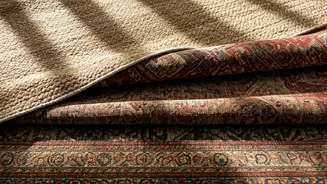
Furniture placement impacts how heat is distributed throughout your home. Arrange furniture to maximize heat retention. Avoid placing furniture directly in front of heating vents; this can block airflow and reduce the efficiency of your heating system. Arrange furniture to block drafts, such as placing a sofa against an exterior wall or near a window to act as a barrier against cold air. Use rugs to insulate floors. By strategically positioning your furniture, you can optimize heat distribution.