






Mango Magic Begins
The arrival of summer heralds the reign of mangoes, the undisputed king of fruits, celebrated for its luscious sweetness and hint of tang. While enjoying
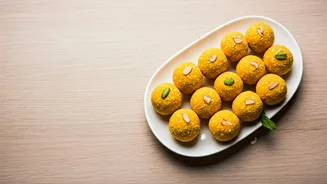
mangoes in their natural form is a delight, incorporating them into dishes amplifies their appeal, as exemplified by Chef Kunal Kapur's exquisite Mango Coconut Laddu. This dessert offers a symphony of sweet flavors and, crucially, is remarkably simple to prepare. Celebrity chef and MasterChef India judge Kunal Kapoor shared this recipe, showcasing the harmonious combination of mangoes and coconut, another fruit that truly shines during warmer months. The beauty of this recipe lies in its minimal ingredient list and straightforward cooking process, utilizing items commonly found in any kitchen. Chef Kunal himself described these laddus as embodying the familiar, comforting 'ghar jaisa' sweetness, perfect for those moments when a sweet craving strikes but simplicity is key. This introduction sets the stage for a recipe that promises authentic home-style flavor without any complex culinary maneuvers, making it accessible to everyone looking for a taste of summer sunshine in a bite-sized treat.
Essential Ingredients
To craft these delightful summer treats, Chef Kunal's recipe calls for a few key components, all readily available and contributing to the unique flavor profile of the laddus. You will need approximately half a cup of fresh mango pulp, ideally from ripe, juicy mangoes, to provide the primary fruity essence. Complementing the mango is two cups of desiccated coconut, also known as grated khopra, which lends a delightful texture and tropical aroma. Binding these ingredients together and providing sweetness is three-quarters of a cup of condensed milk. For an optional touch of elegance and enhanced flavor, you can include chopped pistachios as a garnish, adding a visual appeal and a subtle nutty crunch. Additionally, a sprinkle of dry coconut powder is suggested for rolling the finished laddus, enhancing their appearance and texture. Chef Kunal emphasizes the importance of using good quality, juicy mangoes and cautions against adding any water during the pulp preparation, as this could dilute the flavor and affect the final consistency of the laddus.
Crafting the Mixture
The preparation of the laddu mixture is a straightforward process designed for ease and efficiency. Begin by selecting ripe, succulent mangoes. To extract the pulp easily, make crisscross cuts within each slice and then scoop out the pulp with a spoon. Next, place the mango pulp into a mixer grinder and blend it until a smooth paste is achieved. It's crucial to remember Chef Kunal's advice: do not add any water during this blending stage, as it can compromise the intended taste and texture. Once the mango paste is ready, transfer it into a mixing bowl. To this, add the condensed milk and the desiccated coconut. Mix all the ingredients thoroughly until they combine to form a cohesive paste, which will serve as the base for your laddus. Chef Kunal suggests selecting a mango with a deep, vibrant hue to impart a beautiful, natural color to the final confection. This blending and mixing phase is where the foundational flavors and textures of the laddus are established.
Cooking and Cooling
Following the initial mixing, the laddu base undergoes a brief cooking process to achieve the right consistency. Heat a pan over low flame. Add the mango, coconut, and condensed milk mixture to the warm pan. Cook this paste for approximately four minutes, stirring continuously. This cooking step is vital for reducing stickiness and ensuring the mixture holds its shape when formed into laddus. You'll know the mixture is cooked adequately when you can press your finger into it, and it doesn't stick. Once this consistency is achieved, transfer the cooked mixture onto a plate. It is imperative to allow this mixture to cool down completely before proceeding to the next step. Cooling is essential for safe handling and for the mixture to firm up sufficiently, making the shaping process manageable and preventing the laddus from falling apart.
Shaping and Garnishing
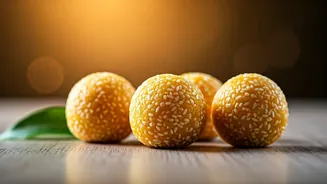
With the laddu mixture cooled and ready, the next step involves shaping them into the characteristic round form. Grease your palms lightly with ghee or oil; this prevents the mixture from sticking to your hands, ensuring a smooth shaping process. Take small portions of the cooled mixture and gently roll them between your palms to form small, uniform laddus. You have the flexibility to make them as small or as large as you prefer, depending on your liking. After shaping, the laddus can be rolled in dry coconut powder. This not only enhances their aesthetic appeal, giving them a beautiful, textured outer coating, but also adds an extra layer of coconut flavor. For a final touch of elegance and an additional flavor dimension, garnish each laddu with chopped pistachio pieces. These decorative elements elevate the presentation, making the homemade laddus look as appealing as they taste.
Serving and Enjoyment
To ensure the Mango Coconut Laddus are perfectly set and ready to be savored, a brief period of refrigeration is recommended. After shaping and garnishing, place the prepared laddus in the refrigerator for at least 30 minutes. This chilling period allows the ingredients to meld further and the laddus to firm up completely, resulting in a delightful texture that is both soft and holds its shape. Once chilled, your homemade Mango Coconut Laddus are ready to be served and enjoyed. These delightful sweet treats are perfect for satisfying summer cravings, serving as a light dessert after a meal, or as a special snack to share with family and friends. They capture the quintessential flavors of summer, offering a taste of tropical bliss in every bite, embodying the comfort and sweetness of a homemade delicacy.