








Energy Partnership Unveiled
The Petroleum and Natural Gas Regulatory Board (PNGRB) of India and the German Technical and Scientific Association for Gas and Water (DVGW) have formalized
their collaboration through a Memorandum of Understanding (MoU). This alliance signifies a dedication to developing hydrogen's role in India's energy landscape. The MoU outlines a cooperative framework, with both organizations seeking to facilitate the seamless integration of hydrogen into existing and future natural gas infrastructure across India. The agreement acknowledges the significance of hydrogen as a pivotal component in the journey towards decarbonization and achieving a more environmentally friendly energy sector. Both parties will be pooling their resources and expertise to identify and capitalize on possibilities for technological exchange, shared research, and the development of best practices in the area of hydrogen infrastructure, fostering mutual growth and advancement.
Hydrogen's Role Explored
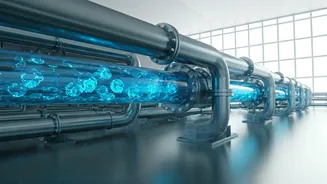
Hydrogen's potential as a clean energy carrier is at the core of this partnership. The focus is on integrating hydrogen with natural gas, a concept that encompasses several aspects. Firstly, the MoU focuses on the study of blending hydrogen into the current natural gas pipelines, which requires detailed technical assessments to ensure safe and efficient transport. Secondly, the collaboration considers the development of infrastructure suitable for the exclusive transportation of hydrogen, including new pipelines and storage facilities. Additionally, the partnership seeks to establish regulatory frameworks and safety guidelines to oversee the effective operation of hydrogen infrastructure. This multi-faceted approach aims to accelerate hydrogen adoption in India's energy mix, contributing to reduced carbon emissions and fostering sustainable economic growth.
Collaboration's Key Aims
The collaboration is founded on several key strategic objectives. Both PNGRB and DVGW aim to share knowledge related to technical standards and best practices for hydrogen infrastructure. This involves sharing information about pipeline materials, safety regulations, and operational procedures. In addition, the partners plan to collaborate on pilot projects to test and validate hydrogen blending in natural gas networks. These initiatives will offer real-world data and insights, helping to refine deployment strategies. Furthermore, the MoU facilitates the exchange of personnel and expertise. This will allow experts from both organizations to gain valuable insights from each other. Ultimately, these collaborative efforts aim to develop a robust hydrogen infrastructure. This will accelerate India's transition to a sustainable energy system and contribute to its climate commitments.
Benefits for India
This partnership offers multiple benefits for India's energy transition. Firstly, hydrogen integration offers a way to reduce reliance on fossil fuels, cutting carbon emissions from the energy sector. Secondly, the collaboration boosts innovation and technology transfer, bringing advanced hydrogen technologies to India. This would improve the capabilities of domestic companies. Furthermore, the initiative helps in the creation of new jobs in the green energy sector. The agreement also strengthens India's international partnerships in the energy sphere. This enhances its standing as a leader in sustainable development. All these factors combined position India well to meet its national and international climate targets, as well as ensure energy security for the future.
Next Steps Outlined
The implementation of the MoU involves a phased approach, starting with strategic planning and knowledge-sharing sessions. The initial stages include the identification of specific areas for technical collaboration, such as pipeline material compatibility, safety protocols, and operational best practices. Pilot projects are planned to test hydrogen blending within the existing natural gas infrastructure, generating valuable real-world data. Both parties will also work towards establishing the necessary regulatory framework and guidelines to support hydrogen infrastructure development. The cooperation will also address training and capacity-building programs. These initiatives will equip professionals with the required skills. The combined effort will lay a concrete foundation for hydrogen's integration in India's energy network.