






Why Move Now?
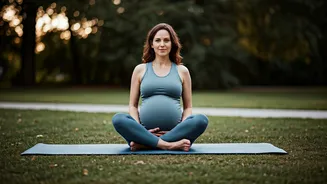
Maintaining a regular exercise routine during pregnancy is paramount for both your health and your baby's development. Far from being a danger, physical
activity during this time significantly contributes to a smoother pregnancy, enhances your mood, and can even ease the labor process. Evidence suggests that active women are less likely to encounter complications in the later stages of pregnancy and during childbirth. Embracing fitness ensures that your body is well-prepared for the demands of carrying and delivering your child, promoting overall maternal well-being.
Listening to Your Body
It's vital to tune into your body's signals and avoid overexertion. This period is not the time for strenuous workouts or pushing your limits. A helpful guideline is the 'talk test': you should be able to hold a conversation comfortably while exercising without becoming overly breathless. This simple yet effective method helps ensure you're exercising at a safe intensity, preventing fatigue and potential strain, and allowing you to enjoy the benefits of movement without unnecessary risk.
Hydration & Comfort
Staying adequately hydrated and ensuring your comfort are key components of safe pregnancy workouts. Always drink plenty of fluids, especially before, during, and after your activity. It's advisable to avoid exercising in extreme heat and to wear comfortable, breathable clothing. Incorporating warm-up routines before your workout and cool-down stretches afterward can significantly help in preventing injuries. If you're participating in group classes, always inform your instructor about your pregnancy to ensure appropriate modifications.
Beneficial Exercises
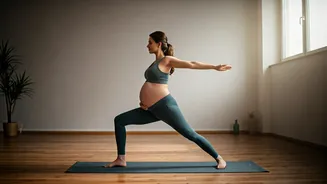
Certain exercises offer particular advantages for expectant mothers. Strengthening your abdominal and core muscles is crucial for supporting your growing belly and alleviating back pain. Pelvic tilt exercises are excellent for improving posture and reducing discomfort. Furthermore, pelvic floor exercises are highly beneficial, as they strengthen the muscles that can help manage urinary incontinence, a common issue during and after pregnancy.
The Joy of Swimming
Swimming emerges as an exceptional choice for pregnancy fitness. The buoyancy of water makes your body feel lighter, offering relief from the physical strain of pregnancy. Many women find swimming to be a deeply relaxing and enjoyable activity, particularly in the later stages when heaviness is a significant concern. It provides a low-impact yet effective way to stay active and manage the physical changes your body is undergoing.
Exercises to Avoid
It's equally important to know which activities are not suitable during pregnancy. High-impact exercises or those with a significant risk of falling, such as contact sports, should be avoided. Additionally, prolonged periods lying flat on your back, especially after the first trimester (around 16 weeks), can impede blood circulation and should be avoided. Activities like scuba diving are also not recommended due to potential risks to fetal development, and exercising at very high altitudes (above 2,500 meters) may lead to altitude sickness.
Starting Slowly
If you weren't actively exercising before becoming pregnant, it's best to begin your fitness journey very gradually. There's no need to engage in intensive training; focus on starting slowly and finding a suitable, gentle regime. This mindful approach allows your body to adapt to increased activity without undue stress, ensuring a safe and positive experience as you embrace a more active lifestyle during your pregnancy.