






Rooftop Gardens Bloom
In the face of escalating temperatures in urban centers, a brilliant and straightforward strategy is emerging to combat the sweltering heat: repurposing
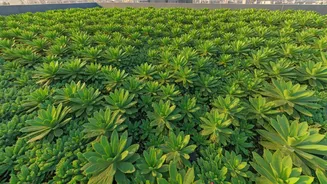
underutilized rooftops into verdant, cooling sanctuaries. This movement, spearheaded by initiatives like Living Greens Organics, is proving that nature itself holds potent remedies for discomfort. The core concept is to cultivate greenery on the uppermost surfaces of homes, a measure that directly counteracts the heat-absorbing properties of conventional roofing materials. Imagine looking up and seeing not just barren concrete, but a thriving ecosystem of plants actively working to lower the ambient temperature of the dwellings below. This transformation is more than just aesthetic; it's a functional shift towards sustainable living, offering tangible benefits in comfort and well-being without the need for energy-intensive cooling systems. The initiative has already demonstrated its efficacy by successfully cooling over 4,000 residences, showcasing a scalable and impactful approach to urban heat island mitigation. It’s a testament to how innovative thinking, combined with the power of nature, can yield significant improvements in our living environments. This approach redefines urban resilience by integrating natural solutions into the built environment.
Cooling Without AC
The allure of this rooftop revolution lies in its direct opposition to conventional cooling methods. Instead of relying on energy-guzzling air conditioners, which contribute to both high electricity bills and environmental strain, this method leverages natural processes to achieve a cooler indoor climate. The plants, through transpiration, release water vapor into the atmosphere, a process that inherently absorbs heat and cools the surrounding air. Furthermore, the foliage itself provides a layer of shade, preventing direct sunlight from intensely heating the roof surface. This dual action – evaporative cooling and shade provision – creates a significantly more comfortable living space beneath. The elimination of AC units not only results in substantial savings on energy expenditures but also reduces the carbon footprint associated with electricity generation. It represents a paradigm shift in how we think about home comfort, moving away from artificial, resource-intensive solutions towards organic, self-sustaining ones. This intelligent approach to living demonstrates that effective climate control doesn't necessitate complex machinery or exorbitant costs, but rather a thoughtful integration with natural systems that are readily available and inherently beneficial.
The Green Transformation
The core idea behind this transformative approach is simple yet profound: convert the often-neglected expanse of a rooftop into a productive and cooling green space. This involves establishing small-scale farms or gardens that can thrive in an urban setting. By planting a variety of vegetation, the rooftop acts as a living insulator, absorbing solar radiation rather than reflecting it back into the atmosphere or absorbing it into the building's structure. The plants’ leaves and soil work together to create a cooler microclimate. This initiative, championed by organizations like Living Greens Organics, has already made a significant impact, bringing relief to more than 4,000 households. It’s a practical demonstration of how readily available urban spaces can be repurposed for ecological and personal benefit. The question posed to homeowners – 'Would you turn your rooftop into a mini farm?' – invites a consideration of a more sustainable and nature-integrated lifestyle. It encourages a vision where our homes are not just shelters, but active participants in creating a healthier, cooler urban environment, proving that often, the most effective solutions are situated directly above our heads, waiting to be cultivated.