



Embrace the Power of Millets
Kangana Ranaut is championing a dietary shift towards millets, highlighting them as foundational elements for a truly nourishing Indian meal. She emphasizes
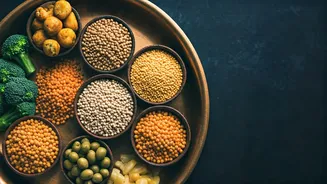
that staples like jowar (sorghum) and bajra (pearl millet), when combined with other essential components like rice, lentils, fresh vegetables, seasonal fruits, curd, milk, and a touch of ghee, form a complete and balanced diet. This combination isn't merely sustenance; it's presented as a source of profound nourishment that bestows both physical robustness and vital life strength. The actor and politician's message underscores the idea that these traditional grains, often overlooked, are powerhouses of nutrition, crucial for maintaining overall health and energy levels throughout the day. By integrating these ancient grains, individuals can tap into a wealth of nutrients that support a healthy lifestyle, moving away from heavily processed alternatives towards wholesome, natural food choices.
The Vibrant, Balanced Thali
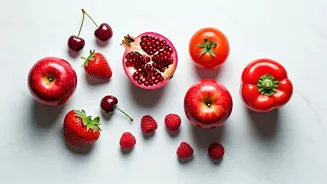
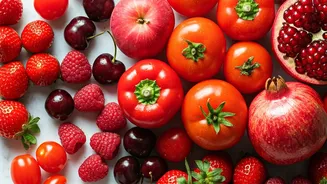
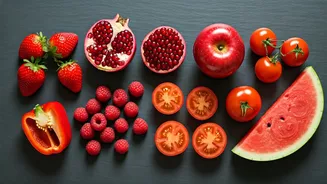
The concept of a 'colourful plate' is central to Kangana Ranaut's nutritional philosophy, asserting that visual diversity directly correlates with comprehensive nutrient intake. She explains that a meal rich in various colours signifies the presence of a wide spectrum of vitamins, minerals, and antioxidants, essential for both cognitive function and physical vitality. This vibrant assortment on a plate, featuring a mix of grains, legumes, green vegetables, and fruits, is directly linked to enhanced energy, sustained strength, and a fortified immune system. The emphasis on colour serves as an intuitive guide to balanced eating, encouraging individuals to include a wide array of natural foods, each contributing its unique set of health benefits. By making our plates visually appealing and diverse, we ensure that our bodies receive the complete nutritional spectrum required for optimal functioning and well-being.
Nourishing Women and Children
Kangana Ranaut draws a crucial connection between nutrition, particularly for women and children, and the future health of families and communities. She posits that the well-being of women and young ones is paramount, as their health directly influences the developmental trajectory and overall vitality of the next generation. Therefore, making conscious and healthy food choices is not just a personal decision but a collective responsibility that impacts societal health. This perspective elevates the importance of balanced nutrition beyond individual benefits, framing it as a cornerstone for building stronger families and more resilient communities. By prioritizing nutrient-dense, wholesome foods, especially for vulnerable groups, we invest in a healthier tomorrow for everyone.
The 'Eat Local, Eat Seasonal' Pledge
Concluding her message, Kangana Ranaut issues a heartfelt invitation to embrace the principles of 'eating local and eating seasonal.' This call to action is rooted in the understanding that consuming foods grown in proximity and harvested according to natural cycles offers numerous advantages. Local produce is often fresher, retains more nutrients, and supports regional economies by benefiting local farmers. Eating seasonally ensures that we are consuming foods at their peak ripeness and nutritional value, while also aligning our diets with the environment's natural rhythms, which can be more sustainable. This mindful approach to food procurement and consumption is presented as a pathway to a brighter future, where better nutrition leads to improved health outcomes for individuals and a more sustainable food system for the planet.
Expert Insights on a Healthy Thali
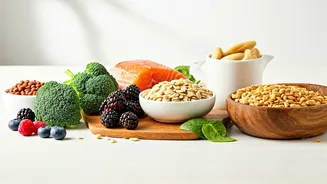
Adding a professional perspective, Dr. Naveen Bhamri, Director & HOD of Interventional Cardiology at Max Super Speciality Hospital, Delhi, outlines the structure of a heart-healthy Indian thali. He likens it to a harmonious orchestra, where each component plays a vital role. Dr. Bhamri recommends dedicating 50% of the plate to colorful, seasonal vegetables and salads, emphasizing their essential vitamins, minerals, and fiber crucial for overall health and cardiac function. The remaining 50% should be divided equally between complex carbohydrates (25%) and protein (25%). Acceptable carbohydrate sources include rotis made from millets like jowar or bajra, or a small serving of brown rice. Protein can be obtained from dals, rajma, chana, paneer, fish, or chicken. He advises that accompaniments like pickles, papad, and chutneys should be consumed sparingly, acting as occasional enhancements rather than main elements of the meal, to maintain the meal's health benefits.