





A Name's Deceptive Journey
The story of Turkipathiri is a captivating illustration of how culinary nomenclature can evolve, often diverging from literal origins and absorbing global
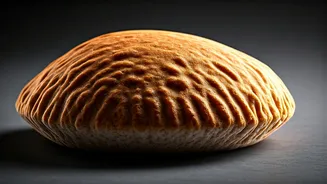
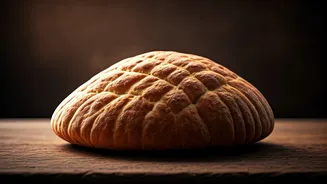
influences. The name 'Turkipathiri' evokes immediate curiosity, prompting questions about potential connections to the Ottoman Empire and historical trade routes between Malabar and Turkey. However, the reality behind its naming is far more down-to-earth and rooted in local imagination. Centuries ago, when traders and travelers brought tales and items from distant lands, the awareness of the Ottoman world seeped into the vibrant port cities of the Malabar coast. Among these impressions was the distinctive Turkish cap, a soft, round headwear. When local cooks in the Malabar region began crafting a stuffed rice flour flatbread, a variation of the traditional pathiri, with carefully pleated and gathered edges, its visual resemblance to this 'Turkish cap' was striking. Someone observed the likeness, and the name 'Turkipathiri' – essentially meaning 'Turkish cap pathiri' – stuck, becoming a culinary identifier for this distinct dish over generations. This simple observation underscores how names can be bestowed based on visual analogies rather than direct culinary heritage, a testament to the human tendency to connect the unfamiliar with the known through creative interpretation, making Turkipathiri a purely Malabar creation that simply adopted a descriptive, albeit misleading, name from afar.
Malabar's Culinary Tapestry
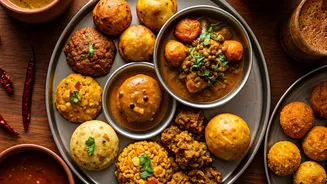
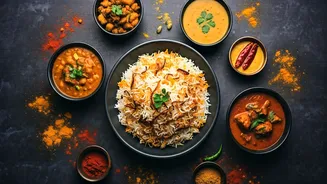
To truly appreciate Turkipathiri, one must first understand the rich historical and cultural milieu of the Malabar coast, a region that has been a nexus of global exchange for millennia. As far back as the first century CE, Roman merchants sought its prized spices, and by the 7th century, Arab traders had established significant connections. The subsequent arrival of European powers like the Portuguese, Dutch, and British further cemented Malabar's status as a vibrant hub for commerce, cultural cross-pollination, and the exchange of ideas and ingredients. Within this dynamic setting, the Mappila community, comprising descendants of Arab traders and local populations, cultivated a unique culinary identity. Mappila cuisine masterfully integrates indigenous Kerala ingredients with influences from Arab, Persian, and broader Islamic culinary traditions. This fusion has given rise to iconic dishes such as Thalassery biryani, chatti pathiri, and unnakkaya. The global world was not merely an external influence but an integral part of the Malabar kitchen's fabric, shaping local creativity and vocabulary. The presence of Turkey, a prominent center of the Ottoman Empire, was known to Malabar traders, and this awareness, coupled with the visual impression of their distinctive cap, ultimately inspired the naming of this now-famous local dish, highlighting the profound impact of distant places and empires on local imagination and daily life.
Crafting the Turkipathiri
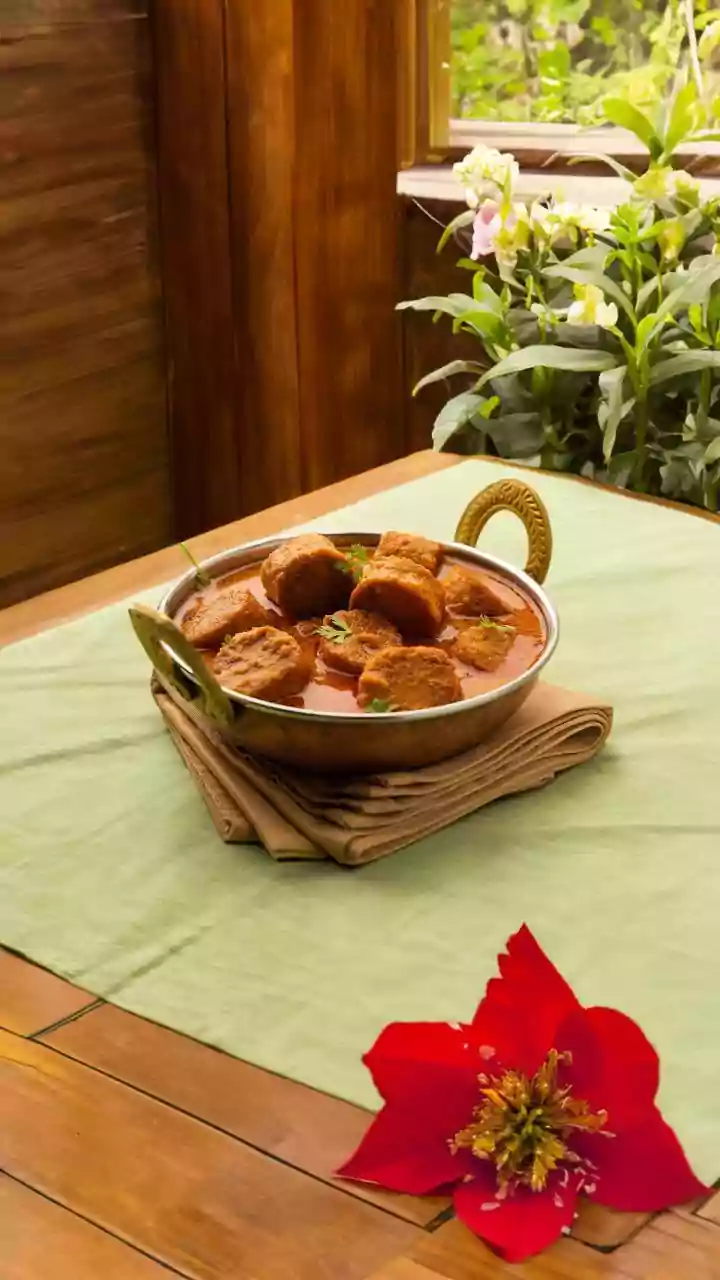
Turkipathiri itself is a delightful Malabar creation, a stuffed and pan-fried rice flour flatbread originating from Thalassery, a city celebrated for its unique culinary heritage. It features a delectable filling typically made with spiced minced meat or finely chopped cooked meat, seasoned with a robust blend of Malabar spices. The dough is crafted from unleavened rice flour, similar to the basic Ari Pathiri, but its preparation for Turkipathiri involves a distinctive layered construction. A larger disc of dough serves as the base, encasing the savory filling. This is then topped with a smaller, pre-fried dough disc, and the edges are meticulously pleated to seal everything together securely. The result is a compact, slightly domed pastry that is wonderfully soft on the outside and satisfyingly crisp within. The filling is a flavorful medley, often incorporating heavy black pepper, pronounced notes of ginger and garlic, deeply caramelized fried onions, and bound together with scrambled egg. The cooking process involves slow frying on a low flame, which allows the flavors to meld beautifully and imparts a fragrant aroma. This dish requires a degree of patience and careful handling, placing it as a moderately elaborate preparation that skilled home cooks often undertake for special guests or smaller celebrations, showcasing a balance between everyday pathiri and more festive creations like chatti pathiri. It is a testament to the culinary artistry found in Thalassery, a locale renowned for dishes like the iconic Thalassery biryani and a food culture that deeply values craftsmanship and narrative.