






Initial Adaptations
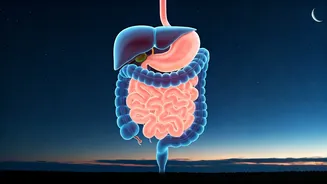
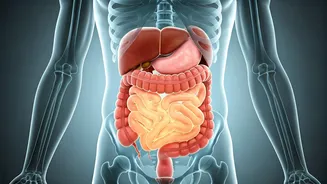
When you diminish your intake of ghee and oil, the body begins a phase of adjustment. A prominent initial change is in the digestive system. The reduced
presence of these fats can cause variations in bowel movements, possibly leading to a lighter sensation. Hormonal shifts also come into play. The body's hormone profile, particularly those related to fat metabolism, may alter. This can affect factors like energy levels and overall well-being. Furthermore, the liver may start producing fewer bile acids as it manages a reduced fat load. This also impacts the digestion process. These early changes represent the body's primary responses to this specific dietary shift.
Energy Metabolism Changes
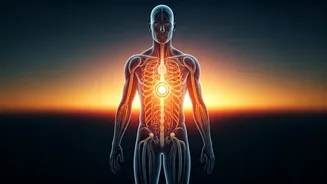
The method through which your body produces and uses energy is deeply influenced. With less fat available, the body begins to rely more on other energy sources, primarily carbohydrates and proteins. This shift could lead to different energy peaks and troughs. The body may enhance its efficiency in burning carbohydrates to make up for the diminished fat intake. Simultaneously, there might be fluctuations in metabolic processes that regulate blood sugar levels. Prolonged modifications in dietary fat can impact insulin sensitivity. This means the body's capability to react to insulin, which affects glucose uptake, may change over time. These adaptations are essential for maintaining stable energy levels while adjusting to a new fat balance.
Impact on Cardiovascular Health
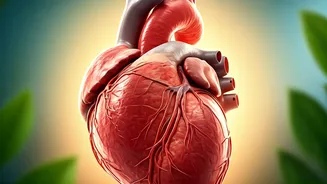
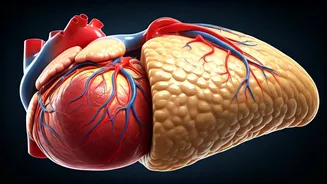
Reducing ghee and oil consumption may also have noteworthy effects on cardiovascular health. This is particularly the case if the fats you were previously consuming were high in saturated or trans fats. Lowering the intake of these unhealthy fats can assist in decreasing cholesterol levels in the blood. Lowering LDL cholesterol, often called "bad" cholesterol, can be achieved, which may decrease the risk of arterial plaque buildup. Additionally, the change can enhance the balance of HDL cholesterol, known as "good" cholesterol. Improved cholesterol profiles are associated with a reduced risk of heart-related ailments. Besides, this modification can positively impact blood pressure regulation, further enhancing cardiovascular health. It is essential to monitor these effects to ensure and support long-term well-being.
Weight Management Implications
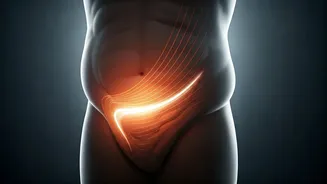
A reduction in ghee and oil intake often accompanies changes in body weight and composition. Since fats are calorie-dense, lessening their consumption can result in an overall decrease in calorie intake, provided the diet is not compensated for with other high-calorie foods. This can encourage weight loss. Additionally, the kind of fats that were formerly eaten plays a role. Replacing saturated fats with unsaturated fats may have a more favorable influence on weight management. These adjustments can also affect the body's metabolism and how it manages stored fat. Regular exercise and a balanced diet are key components of a successful weight management plan. Monitoring your diet and body composition will help understand how dietary changes affect your health and overall well-being.
Skin and Hair Alterations
The body's change in fat intake can be reflected in skin and hair health. Fats are essential for maintaining skin hydration and elasticity. A reduction in dietary fat can sometimes result in drier skin. The quality of hair may also be affected, sometimes leading to changes in texture or shine. The body requires certain fats to create sebum, a natural oil that moisturizes the skin and hair. When fat intake is reduced, the production of sebum might be impacted. Supplementing the diet with healthy fats, like those found in nuts, seeds, and avocados, can counteract these impacts. Such modifications can help maintain skin health and sustain the natural shine of your hair. Proper hydration and the intake of vitamins are also critical in preserving skin and hair health.
Overall Well-being Effects
Ultimately, the decision to decrease ghee and oil in your diet can have significant consequences for your overall health and wellness. Reduced fat intake may improve aspects like digestion and energy levels and influence both cardiovascular and metabolic health. These changes are part of a greater transformation that affects many body systems. Individual reactions differ based on your age, general health, and existing eating habits. It's critical to consider the kind of fats you replace and how the overall diet is modified to guarantee a balanced nutrient intake. Making considered decisions about your diet and keeping up with regular health check-ups helps manage your health in the long run. The objective is to balance nutritional intake to encourage well-being.