





The 'Organic' Buzz
The term 'organic' has gained immense popularity, suggesting healthier food options. However, this surge in demand has unfortunately led to an increase
in deceptive labeling and counterfeit products entering the Indian market. It's becoming increasingly challenging for consumers to discern between genuinely organic produce and items merely posing as such. To ensure you're getting what you pay for and making truly beneficial choices for your well-being, understanding how to critically examine food packaging is no longer just a good idea—it's a necessity. The Food Safety and Standards Authority of India (FSSAI) has issued warnings, urging shoppers to remain vigilant against these misleading claims and fraudulent 'organic' goods that dilute the integrity of the organic food sector.
Spotting Authentic Labels
Your first line of defense against fake organic products is to look for the official 'Jaivik Bharat' logo. This insignia signifies that the product adheres to the stringent organic standards set forth by the Indian government, ensuring it has been cultivated and processed according to certified organic practices. In conjunction with the Jaivik Bharat logo, always confirm the presence of a valid FSSAI license number on the product's packaging. The absence of either of these crucial indicators should serve as a significant warning sign, prompting you to reconsider the purchase and opt for a product that clearly displays its regulatory compliance and organic certification.
Verify Certification Details
Every product that has earned legitimate organic certification will bear a specific accreditation or certification number. This number is linked to the authorized agency that conducted the inspection and verification process, confirming that the product has met all stipulated organic farming and handling protocols from its origin right through to its packaging. Should a product labeled 'organic' omit any mention of a certifying body or its corresponding number, it’s highly probable that the 'organic' claim is merely a marketing ploy rather than a genuine representation of its production methods. Carefully scrutinizing this detail is key to confirming authenticity.
Price Isn't Everything
It’s a common misconception that a higher price tag automatically equates to superior quality or genuine organic status. In reality, many fraudulent products are deliberately priced at a premium to mislead consumers into believing they are more authentic and trustworthy. Therefore, making purchasing decisions based solely on cost can be a deceptive practice. Instead of letting price dictate your choice, it is far more effective to concentrate your attention on meticulously examining the verified labels and certifications present on the packaging. Authentic organic products will clearly display their credentials, regardless of their price point.
Examine Packaging Thoroughly
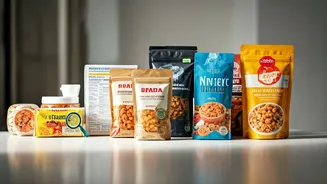
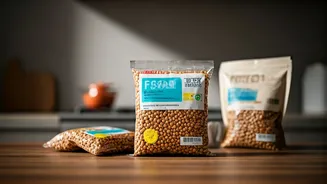
Before committing to a purchase, dedicate a moment to thoroughly inspect the product's packaging. Genuine organic items typically provide clear, comprehensive information regarding their certification status, the geographical origin of the ingredients, and confirmation of compliance with relevant standards. Conversely, packaging that features vague, incomplete, or ambiguous details should immediately raise suspicion. Authorities consistently advise consumers to maintain a high level of vigilance and to become well-informed while shopping for food. By understanding and applying these straightforward verification steps, you not only avoid falling victim to counterfeit products but also ensure that the food you bring home genuinely contributes to your health and well-being.