




Smooth Out Lumpy Curries
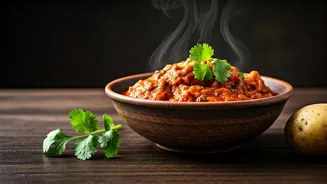
Indian curries, celebrated globally for their rich flavors, can sometimes present a challenge with lumps, often due to excessive thickeners like flour
or cornstarch, or improperly incorporated dairy. If your curry has developed an undesirable texture, several easy remedies exist. One effective method is to gently reheat the curry while continuously stirring; this can help break down any clumps. Another approach involves straining the curry through a fine-mesh sieve to remove lumps, then returning the smooth liquid to the pot to continue cooking. For a quicker fix, whisking a small amount of water or broth into a paste and then slowly incorporating it into the curry can also help. If the lumpiness is a result of curd added without proper whisking, a gentle simmer and constant stirring should resolve it. Remember, patience and consistent movement are key to restoring a velvety consistency to your beloved curries.
Microwave Cooking Superpowers
The microwave, often underestimated, is a versatile kitchen ally that can significantly simplify various cooking tasks. Beyond just reheating, it can speed up processes like boiling potatoes, preparing garlic paste, or even reviving stale chips. For instance, to quickly soften stale bread or crisp up leftover snacks, a short burst in the microwave can work wonders. It's also useful for tasks like melting butter or chocolate without scorching. To make vegetables tender before sautéing, a few minutes in the microwave can save considerable stovetop time. Mastering these microwave hacks can lead to more efficient meal preparation, saving precious minutes and effort in your busy day. It's about leveraging this common appliance to its fullest potential for everyday cooking needs.
Breadcrumb Culinary Magic
Breadcrumbs are a surprisingly versatile ingredient that can add texture, flavor, and binding properties to a wide array of dishes beyond simple coatings. Finely ground, they can be used as a binder in meatballs or cutlets, helping to hold the ingredients together and absorb excess moisture. Toasted breadcrumbs offer a delightful crunch when sprinkled over casseroles, baked pasta dishes, or even salads, providing a textural contrast. They can also be incorporated into fillings for stuffed vegetables or used to thicken soups and stews, imparting a subtle body and nutty flavor. Even leftover stale bread can be transformed into homemade breadcrumbs, reducing food waste and offering a cost-effective solution for adding that extra dimension to your meals. Exploring these innovative uses can truly elevate your home cooking.
Zero-Waste Kitchen Practices
Embracing zero-waste cooking is a conscious effort to minimize kitchen refuse by maximizing the utility of every ingredient, especially vegetable and fruit peels. These often-discarded parts are rich in nutrients and can be repurposed in numerous ways. For instance, citrus peels can be dried and ground into a fragrant powder for baking or cleaning agents, or candied for a sweet treat. Vegetable scraps like carrot tops or broccoli stems can be used to make flavorful homemade vegetable broth. Potato peels, when washed thoroughly and roasted with spices, can become crispy, delicious snacks. Even onion skins can be boiled to create a natural yellow dye. By adopting such practices, not only do we contribute to environmental sustainability by reducing landfill waste, but we also discover new culinary possibilities and derive maximum value from our food purchases.
Cling Wrap for Kitchen Hygiene
While commonly known for its role in food preservation, cling wrap offers an often-overlooked benefit in maintaining kitchen cleanliness and hygiene. It can serve as a protective barrier against germs and splatters in various kitchen scenarios. For example, wrapping the handles of frequently touched appliances like refrigerators or microwaves can prevent the transfer of germs and make them easier to wipe down. It can also be used to cover bowls of ingredients being prepped to keep them fresh and free from airborne contaminants. When doing messy tasks, like chopping vibrant ingredients that might stain, covering the cutting board surface with cling wrap can make cleanup significantly easier. Additionally, it can be used to temporarily seal off areas to prevent dust or paint from settling during renovations. Its disposable nature makes it an effective, albeit temporary, shield for hygiene-conscious cooks.
Reviving Sour Curd
Sour curd, often deemed unusable, can actually be a valuable ingredient in the Indian kitchen, lending a distinct tangy flavor to various dishes. Instead of discarding it, consider incorporating it into recipes that benefit from its acidity. It can be used to tenderize meat in marinades, as the lactic acid helps break down proteins. When making dough for parathas or rotis, adding a bit of sour curd can result in softer, more pliable dough. It's also an excellent base for refreshing summer drinks like lassi or chaas, where its tanginess is a desirable quality. Furthermore, it can be used in baking to activate baking soda, resulting in a lighter texture for cakes and muffins. Even in savory preparations like kadhi, the sourness can add depth, provided it's balanced with other flavors. These applications showcase the versatility of sour curd, turning a potential waste product into a culinary asset.
Keeping Okra Fresh
Okra, or bhindi, is a vegetable that requires careful handling to maintain its freshness and prevent it from becoming sticky or drying out. To extend its shelf life, it's best to store it unwashed in a paper bag or loosely wrapped in a kitchen towel inside the refrigerator. This method allows for air circulation, preventing moisture buildup, which is the primary cause of stickiness. Before cooking, wash the okra and ensure it is thoroughly dried; excess moisture will lead to a slimy texture. Cutting the okra just before cooking can also help. If you notice any slimy or discolored pieces, it's best to remove them to prevent spoilage from spreading. By following these simple storage techniques, you can enjoy fresh okra for several days, ensuring it remains crisp and suitable for your culinary creations.
Extended Freshness for Tomatoes
Preserving the freshness of tomatoes, a staple in many Indian kitchens, can be achieved through simple homemade puree. Instead of relying solely on store-bought options, making your own tomato puree allows for better control over ingredients and extends the usability of your fresh tomatoes. To prepare, blanch ripe tomatoes in boiling water for about a minute, then transfer them to ice water. This makes peeling them effortless. Once peeled, roughly chop the tomatoes and simmer them in a pot until they soften and reduce slightly. For a smoother consistency, you can blend the cooked tomatoes. Store the resulting puree in an airtight container in the refrigerator for a week, or freeze it in portions for longer storage. This ensures you always have a base for curries, sauces, and gravies readily available.