

Physician-Approved Plates
Emperor Akbar's daily sustenance was far from ordinary; it was a carefully orchestrated performance guided by the wisdom of royal physicians, known as hakims.
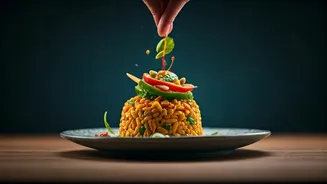
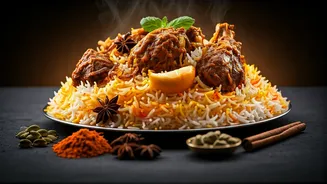
These esteemed medical advisors meticulously curated every menu, ensuring that each ingredient was chosen not just for taste, but for its potent health benefits. This focus extended even to seemingly simple items like rice, where each grain for biryani, for instance, was reportedly coated in a silver oil concoction designed to aid digestion and even act as an aphrodisiac. The entire serving process was a spectacle of discipline, with food meticulously passed through a strict chain of command, primarily managed by eunuchs, guaranteeing both purity and adherence to the physician's grand design. This approach transformed meals into therapeutic sessions, deeply embedding health into the very fabric of imperial dining and showcasing a commitment to well-being that was as lavish as it was logical.
Pampered Poultry & Luxury Logistics
The chickens destined for Akbar's royal table were treated with an unparalleled level of care, ensuring their meat was of the highest quality and purity. These were not just any birds; they were pampered to perfection. Accounts suggest they were hand-fed a special diet of pellets infused with saffron and rosewater, while also receiving daily massages with fragrant musk oil and sandalwood. This extraordinary attention to detail was mirrored in the vast operational scale of Akbar's kitchens, which employed over 400 cooks hailing from both India and Persia. The logistics extended to maintaining a constant supply of ice, ingeniously transported from the Himalayas via courier relays to keep beverages refreshingly chilled. These drinks were then served in opulent gold and silver vessels, carefully wrapped in cloth, illustrating a remarkable fusion of extreme luxury with sophisticated logistical planning.
Faithful Foodie Habits
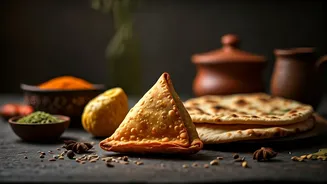
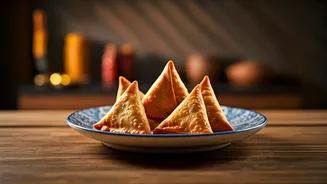
Emperor Akbar's dietary practices were significantly shaped by his spiritual inclinations and his desire to foster harmony among his diverse subjects. Notably, he observed vegetarianism for three days each week, a testament to his respect for faiths that advocated such practices. His commitment to purity extended to his hydration, as he reportedly drank only water sourced from the sacred Ganges River. Akbar's personal involvement in his cuisine was also evident; he maintained his own kitchen garden, where he would sometimes water the vegetables with rosewater to enhance their aromatic qualities when cooked. The royal kitchens prided themselves on preparing a variety of beloved dishes, including sanbusas (samosas), nutrient-rich saag, hearty harisa, and a vegetarian rendition of halim, alongside succulent yakhni stews and whole roasted lambs, demonstrating a rich and varied palate.
Beef Ban & Royal Respect
A significant and defining aspect of Emperor Akbar's culinary policy was his outright ban on the consumption of beef. This decision was rooted in a profound respect for the religious beliefs of his subjects, particularly the Hindu and Jain communities, for whom the cow is a sacred animal. By abstaining from beef, Akbar sent a powerful message of inclusivity and understanding, fostering a sense of unity across his vast empire. This dietary restriction was not merely symbolic; it was a practical manifestation of his governance style, which sought to bridge cultural and religious divides. The impact of this thoughtful consideration rippled through his court, influencing the types of dishes prepared and ensuring that the imperial table was a space that acknowledged and honored the diverse traditions of the people he ruled, promoting peace through culinary diplomacy.
Fortified Feasts & Taster's Vigil
The specter of poisoning, a chilling reality for rulers throughout history, loomed large in Akbar’s court, underscored by cautionary tales like his father Babur's severe bout of vomiting. To counter this ever-present threat, an elaborate security system was implemented around the Emperor's meals. A dedicated team, comprising cooks, bakawals, and the Mir-Bakawal (chief steward), meticulously tasted every single dish before it was served to Akbar. The overseer would then seal each dish with his personal mark, while clerks diligently maintained detailed records of the food preparation. Even the bread and pickles were sealed. The Mir-Bakawal conducted a final tasting just before Akbar commenced his meal, often beginning with curds and ensuring a portion was set aside for mendicants, reflecting a system designed for ultimate safety and meticulous oversight.