






Choosing the Right Seeds
The first step to balcony sunflower success involves selecting appropriate seeds. Not all sunflower varieties are ideal for containers. Dwarf varieties,
specifically bred for smaller spaces, are the best choice. These plants typically grow to heights of 1-3 feet, making them manageable for balconies. Consider the 'Teddy Bear' or 'Elf' varieties. Their compact size and manageable growth make them perfect choices for balconies. Moreover, research the flowering time of different varieties to ensure you select one that suits your local climate and allows for a full blooming cycle within your growing season. Consider the color you wish, the seed companies often offer variety of color. Always read the seed packet for specific care instructions, including spacing and sunlight requirements.
Optimal Sunlight & Soil
Sunflowers are sun-worshippers, so the more direct sunlight, the better. Your balcony should receive at least six to eight hours of direct sunlight each day. This ensures robust growth and abundant blooms. The soil is another vital component. Use a well-draining potting mix. A mixture of regular potting soil, compost, and perlite or vermiculite will improve drainage and aeration. This blend prevents waterlogging, which can lead to root rot. When planting, choose a pot that is at least 12 inches deep and wide. This gives the roots enough space to develop. Ensure the pot has drainage holes to avoid excess water buildup. Consider using a terracotta pot, which helps the soil dry out faster.
Watering and Feeding
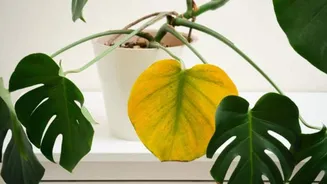
Watering is crucial for healthy sunflowers. Water deeply whenever the top inch of the soil feels dry. Consistency is key, especially during hot weather. Overwatering can be detrimental, leading to root rot, so ensure the soil drains well. Regular feeding with a balanced liquid fertilizer is also necessary. Fertilize every two to three weeks during the growing season. Follow the instructions on the fertilizer package, avoiding over-fertilization, which can harm the plants. Observe your sunflowers for signs of nutrient deficiencies, such as yellowing leaves or stunted growth, and adjust your feeding schedule accordingly. Using organic fertilizers can add an additional boost to the plants.
Pest & Disease Control
Even on a balcony, sunflowers can face pest and disease challenges. Common pests include aphids, snails, and slugs. Inspect your plants regularly and remove any pests you find. A strong spray of water can dislodge aphids. For snails and slugs, handpicking or using organic slug pellets can be effective. Powdery mildew can affect sunflowers, particularly in humid conditions. To prevent this, ensure good air circulation around the plants and avoid overhead watering. If powdery mildew appears, treat it with an organic fungicide, such as neem oil or a solution of baking soda and water. Remove any affected leaves promptly to stop the spread. Regular monitoring is the most effective approach to prevent serious issues.
Supporting Your Sunflowers
Depending on the variety and wind exposure, taller sunflowers might need support. Use stakes or trellises to keep them upright, especially in windy areas. Place stakes gently into the soil, being careful not to damage the roots. Tie the sunflower stems loosely to the stakes using soft twine or plant ties. This support prevents the plants from bending or breaking under their own weight or in strong winds. Ensure the support structure is secure and appropriately sized to support the mature height of your sunflower variety. By providing support, you help your sunflowers flourish without interruption.
Harvesting Your Blooms
Enjoying your balcony-grown sunflowers involves knowing when and how to harvest them. The best time to harvest is when the flower head is fully open. The petals should be fully extended, and the center disk should be visible. Use sharp scissors or pruning shears to cut the stem at an angle, leaving a good length for a vase. Harvesting in the morning is generally recommended, as the flowers are most hydrated. Immediately place the cut stems in a vase filled with water. Consider adding a floral preservative to prolong the lifespan of your sunflowers. Regularly change the water to keep your blooms fresh for as long as possible. These vibrant flowers bring life to any space.