





Protein's Broad Impact
Protein is far more than just fuel for muscles; it's a cornerstone of bodily function. It plays a critical role in the regeneration and repair of all tissues,
acting as the building blocks for everything from skin to organs. Furthermore, protein is vital for producing hormones that govern essential processes like metabolism, mood regulation, and countless physiological activities. When it comes to managing your weight, protein offers a double benefit: it has a higher thermic effect compared to fats and carbohydrates, meaning your body expends more energy digesting it. Simultaneously, it significantly enhances feelings of fullness, which naturally curbs appetite and helps control overall calorie consumption. Beyond physical attributes, a sufficient protein intake is indispensable for a robust immune system, equipping your body to effectively combat illnesses and manage infections.
Strategic Protein for Weight Loss
For those aiming to shed pounds, strategically consuming protein between meals emerges as a powerful tactic. Incorporating protein-rich snacks during these intervals can significantly boost feelings of satiety, effectively suppressing the hunger hormone ghrelin. This sustained fullness helps prevent overeating at subsequent meals, leading to a reduction in overall calorie intake and supporting a calorie deficit necessary for weight loss. By keeping hunger at bay and maintaining a sense of fullness for longer periods, these protein snacks become an invaluable tool in a weight management plan, preventing impulsive unhealthy food choices.
Fueling Muscle Growth
When your goal is to build muscle, the timing of your protein intake becomes particularly crucial, especially around your workouts. Consuming protein within the 30-minute to two-hour window following exercise can optimize muscle recovery and stimulate growth. This period is often termed the 'anabolic window,' where muscles are highly receptive to nutrient uptake for repair and synthesis. Additionally, a pre-sleep protein snack, particularly one rich in casein protein due to its slow digestion rate, can provide sustained nourishment overnight, supporting continuous muscle repair and growth processes while you rest. This continuous supply aids in maximizing the body's natural anabolic processes during periods of inactivity.
Boosting Overall Health
To support general well-being and maintain steady energy levels, it's beneficial to distribute your protein intake consistently throughout the day. Spreading your protein consumption across 3-4 meals and snacks rather than concentrating it in one large meal, like dinner, can enhance muscle protein synthesis more effectively. Starting your day with a protein-packed breakfast is especially important, as many individuals fall short on protein in the morning. A high-protein breakfast can significantly improve appetite regulation and provide sustained energy, setting a positive tone for your metabolic health and daily activities, ensuring a consistent supply for bodily functions.
Maximizing Protein Benefits
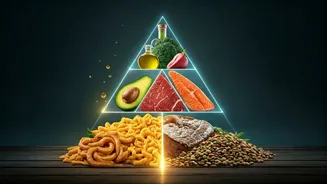
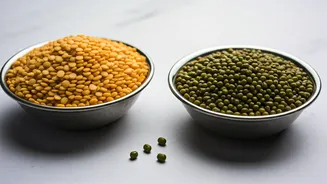
To truly reap the rewards of your protein intake, consider a few key strategies. Prioritize high-quality protein sources such as lean meats, fish, eggs, dairy products, legumes, nuts, and seeds. For vegetarians and vegans, combining plant-based sources like beans with rice can ensure a complete profile of essential amino acids. Introduce variety into your protein sources to obtain a broad spectrum of amino acids and other vital nutrients, making your diet more engaging. If meeting your protein targets through food alone is difficult, high-quality protein powders can serve as a convenient supplement; however, consulting a health professional before starting any supplement is advisable. Finally, pair your protein with healthy fats and carbohydrates to optimize absorption and create well-balanced, nourishing meals that support your body's needs.