



Internal Roots of Hair Fall
Our hair health is intricately tied to our overall well-being, often reflecting what's happening inside our bodies. While external factors like pollution
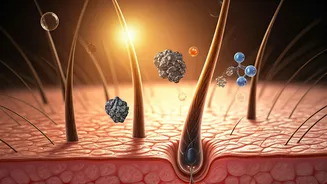
and harsh hair products play a role, many instances of hair thinning and loss stem from less visible internal issues. Modern lifestyles, characterized by rapid pace, environmental pollutants, and compromised nutrition, frequently impact hair quality significantly. The internet buzzes with numerous remedies, but a deeper look reveals that addressing underlying deficiencies or hormonal disruptions is crucial for true hair restoration. Recognizing these internal connections allows for more effective and targeted solutions to revive and maintain healthy, lustrous hair, moving beyond superficial treatments to tackle the core problems.
Iron's Crucial Role
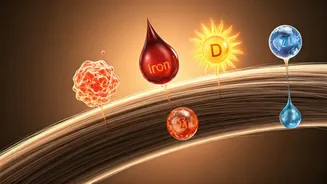
Iron deficiency, a common concern particularly among women, profoundly affects hair vitality. This essential mineral is vital for transporting oxygen to hair follicles, facilitated by red blood cells. When iron levels are insufficient, the hair roots receive inadequate oxygen and nutrients, which can prematurely push hair into a dormant phase, leading to increased shedding. Dr. Shitij Goel, a Senior Consultant in Dermatology, highlights that this scenario is frequently observed in individuals experiencing heavy menstrual cycles or adhering to diets lacking in iron-rich foods. Ensuring adequate iron levels is therefore a fundamental step in preventing and treating hair fall associated with this deficiency.
Vital Vitamins and Zinc
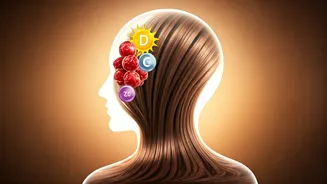
Beyond iron, deficiencies in specific vitamins and minerals can also manifest as hair problems. Vitamin D is essential for the development of new hair follicles, playing a key role in hair regeneration. Vitamin B12 is indispensable for ensuring that the scalp receives a consistent and adequate supply of oxygen, crucial for follicle health. Meanwhile, Zinc contributes significantly to tissue repair mechanisms and maintains the proper function of sebaceous glands surrounding the hair follicles, which are vital for scalp moisture and health. A lack of any of these nutrients can result in noticeable hair thinning, a slowdown in hair growth, and an overall increase in hair shedding.
Hormonal Influences on Hair
Hormonal imbalances represent another significant culprit behind hair loss. Dr. Goel points out that disruptions in thyroid function, whether it's hypothyroidism (underactive thyroid) or hyperthyroidism (overactive thyroid), can lead to diffuse hair thinning across the scalp. Furthermore, imbalances in androgen hormones can dramatically alter hair growth patterns. This can manifest as the development of typical pattern baldness or contribute to a general and noticeable thinning of hair, particularly in susceptible individuals. Addressing these hormonal fluctuations is often a critical component of a comprehensive hair loss treatment plan.
Tests for Targeted Treatment
While these blood tests might not instantly 'save' your hair, they serve as indispensable guides for effective treatment. They don't directly regrow hair but meticulously uncover the underlying reasons for hair fall, enabling a much more precise and personalized approach to care. Instead of resorting to trial-and-error methods with various products, these tests empower both patients and dermatologists to identify specific deficiencies or imbalances. This allows for the implementation of targeted therapies and lifestyle adjustments that address the root cause, ultimately leading to more successful and sustainable hair health outcomes.