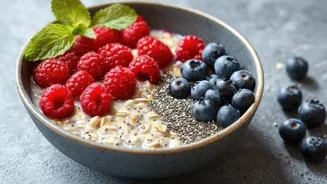







Understanding Fibremaxxing
Fibremaxxing, a prominent online health trend, centers on significantly increasing dietary fiber intake. This involves a dedicated effort to consume large
quantities of fiber-rich foods, such as an abundance of fruits, diverse vegetables, whole grains, and various seeds and legumes. The underlying principle driving this trend is the well-documented importance of fiber for overall health. Fiber plays a crucial role in maintaining a healthy digestive system, promoting regularity, and preventing uncomfortable issues like constipation. Beyond digestion, adequate fiber consumption is linked to improved cardiovascular health and can contribute to lowering levels of harmful LDL cholesterol. However, the pursuit of 'maxxing' fiber presents potential challenges. A sudden, drastic increase in fiber intake without a corresponding rise in fluid consumption can lead to adverse effects, including significant bloating and digestive discomfort, or even severe constipation. Experts suggest that rather than extreme measures, a gradual integration of fiber-rich foods into daily meals, distributed throughout the day, is a more sustainable and effective approach. Prioritizing whole, natural food sources over supplements is also recommended for optimal benefits.
Decoding Proteinmaxxing
Proteinmaxxing is another viral dietary approach that focuses on maximizing protein consumption by adding it to a wide array of food and beverage options. This trend often sees people incorporating protein powders into shakes, smoothies, and even everyday meals, alongside seeking out protein-fortified snacks and products like protein chips, ice cream, cereal, and coffee. The primary motivations behind proteinmaxxing include supporting muscle development, enhancing satiety to manage appetite, and facilitating weight loss efforts, especially for individuals engaged in regular physical activity. While the emphasis on protein is valid, particularly for active individuals, pushing protein intake to extreme levels can introduce complications. Exceeding your body's needs may lead to consuming unnecessary extra calories, often from processed or specialized protein products, which may not be the healthiest choice. For those who are not highly active, surplus protein is unlikely to magically convert into muscle mass. Therefore, proteinmaxxing is most effective when it aligns with an individual's lifestyle and activity level. A balanced strategy involves integrating high-quality, whole food protein sources such as eggs, lentils, paneer (Indian cheese), lean meats, and fish into daily meals.
Recommended Daily Intake
Understanding the recommended daily intake for both fiber and protein is crucial for a balanced approach to nutrition. For fiber, the general guideline suggests approximately 38 grams per day for men and 25 grams for women. Incorporating a variety of fiber-rich foods like moong sprout salads, beans, and oats can help meet these targets. Starting meals with a portion of salad is a simple yet effective way to boost fiber intake. Regarding protein, the average adult requires about 0.8 grams of protein for every kilogram of their body weight daily. For instance, an individual weighing 55 kilograms would aim for roughly 44 grams of protein per day. Given that the typical Indian diet can be carbohydrate-heavy, it's important to consciously add protein sources to each meal. Delicious and nutritious options include paneer bhurji, moong dal chilla, egg curry, and chicken keema. Serving a small portion of paneer or a bowl of dal with every meal can significantly contribute to meeting protein requirements.
A Balanced Approach
Ultimately, the success of trends like fibremaxxing and proteinmaxxing hinges on avoiding extremism and adopting a balanced, consistent approach. The human body thrives on regularity and sustainable habits rather than drastic dietary shifts. Instead of aiming for extreme 'maxing,' focus on gradually increasing your intake of nutrient-dense foods and ensuring adequate hydration, especially when boosting fiber. Similarly, for protein, prioritize whole food sources that align with your activity level and overall dietary pattern. Supplements should be considered secondary to a well-rounded diet. The key takeaway is that health is not achieved through fads but through consistent, mindful eating habits that support your body's needs without causing distress or nutritional imbalances. Listen to your body and make gradual, informed adjustments for long-term well-being.