





A Sanctuary of Belonging
Actor Gaurav Gera's Mumbai dwelling in Oshiwara, where he has resided for approximately 28 years since 1998, embodies a profound sense of rootedness and
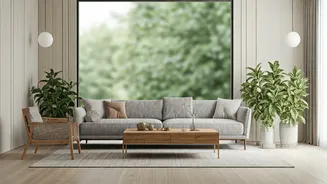
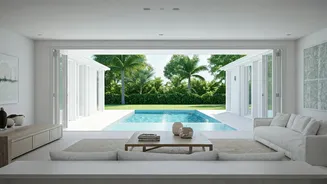
familiarity. This long-standing connection to the Andheri area underscores a deep-seated feeling of belonging that permeates his living space. The apartment itself is a reflection of his personality – deliberately uncomplicated, highly practical, and free from any ostentatious displays. Gaurav opted for a significant overhaul of the existing furnishings, largely replacing them with easily sourced and functional IKEA items, reflecting a conscious decision to prioritize utility and ease of living. The deliberate simplicity extends to the visual aesthetic, with predominantly white walls and a neutral color scheme, creating an environment that feels calm and unforced. This approach to his home is not about creating a showpiece, but rather cultivating a space that is shaped by years of personal experience and daily life, offering a quiet grounding effect.
Personal Touches & Continuity
The character of Gaurav Gera's home is artfully defined by subtle yet impactful personal details that enrich the environment without overwhelming it. These elements speak to continuity and emotional attachment, such as the fish motifs, imported from Thailand, which he chose for their symbolism of good luck, with their upward orientation signifying aspiration. He also demonstrates a profound appreciation for repurposed furniture and everyday objects, including utensils with minor imperfections like broken handles, which he consciously chooses not to discard. This practice highlights a value placed on history and sentiment over fleeting trends. Furthermore, the design strategically incorporates cozy nooks, providing dedicated quiet zones that cater to his need for introspection and concentration, spaces where he finds himself spending significant portions of his leisure time. These curated details transform the apartment from a mere living space into a repository of memories and personal significance, contributing to its unique and lived-in feel.
Duality of Simplicity & Tech
A fascinating contrast defines Gaurav Gera's living environment, presenting a duality between its predominantly minimalist character and a dedicated hub for his creative pursuits. While most areas of his home embrace a pared-back aesthetic, his gadget and content creation room is a vibrant testament to his deep engagement with technology. He openly admits to a strong affinity for gadgets, while expressing little interest in material possessions like cars or extensive wardrobes. This juxtaposition of serene living spaces with a technology-rich creative zone illustrates a nuanced approach to his home, balancing the need for calm with the demands of his professional life. The apartment also features personal corners adorned with awards, photographs, and cherished mementos, further enhancing its layered and emotionally resonant atmosphere, creating a home that is both highly functional and deeply personal.
Psychology of Uncluttered Living
The impact of minimalist and clutter-free living spaces on mental well-being is significant, according to insights from psychologists. Such environments actively reduce cognitive load by minimizing the constant barrage of visual stimuli that compete for our attention. This reduction in visual noise allows the brain to process information more effectively, leading to enhanced focus and greater mental clarity. Neha Cadabam, a senior psychologist, explains that organized spaces are directly linked to lower cortisol levels, a key indicator of stress, thereby promoting a sense of calm and reducing anxiety. The predictability and sense of control inherent in uncluttered surroundings are vital components for maintaining emotional equilibrium and fostering overall psychological health. This conscious design choice contributes to a more serene and functional living experience.
Zoning for Mental Balance
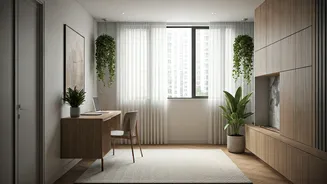
Establishing distinct zones within a home plays a crucial role in supporting mental balance and regulating emotional states. Psychologists highlight that spatially separating areas for work, rest, and creative activities helps the brain form clear contextual boundaries, essential for managing attention and mood. This zoning approach minimizes role overlap and mitigates mental fatigue, enabling more efficient transitions between periods of intense productivity and restorative relaxation. For individuals engaged in creative fields, like Gaurav Gera, these dedicated spaces can serve as powerful psychological triggers, facilitating deeper immersion in creative flow and sparking new ideas. The ability to clearly delineate these different life functions within one's living environment fosters a more harmonious and productive lifestyle, enhancing both output and recovery.